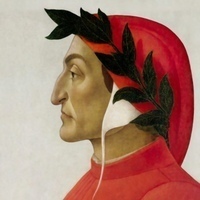
R.I.P., great author, publisher, and literary scholar Roberto Calasso 📚 🔗
In “The Future is a Decentralized Internet,” Olaf Carlson-Wee explains the theory behind DAOs and other blockchain-based networks. I’ve been exploring these ideas through the 1729 project. 🔗
There’s no world in which I sign up for a newsletter hosted by Bulletin, just like there’s no world in which I ever conduct a transaction on Diem.
Zuckerberg’s models of leadership are the 19th century imperialists.

Currently reading: Bill Evans: How My Heart Sings by Peter Pettinger 📚
Stop whatever you’re doing and go listen to Glenn Loury’s podcast conversation with Cornel West. H/t to my friend Pete. 🎧
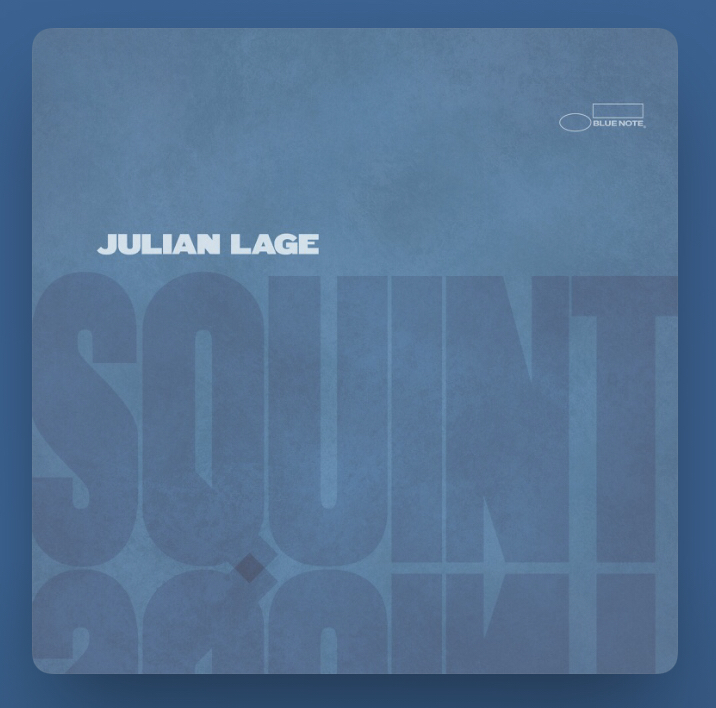
Current listening: Squint, jazz guitarist Julian Lage’s new album, which features the trio Lage has been playing with lately: Minnesotan Dave King on drums and bassist Jorge Roeder. 🎶
Current listening: Another Land by Dave Holland, featuring Robin Eubanks on guitar and Obed Calvaire on drums. 🎵

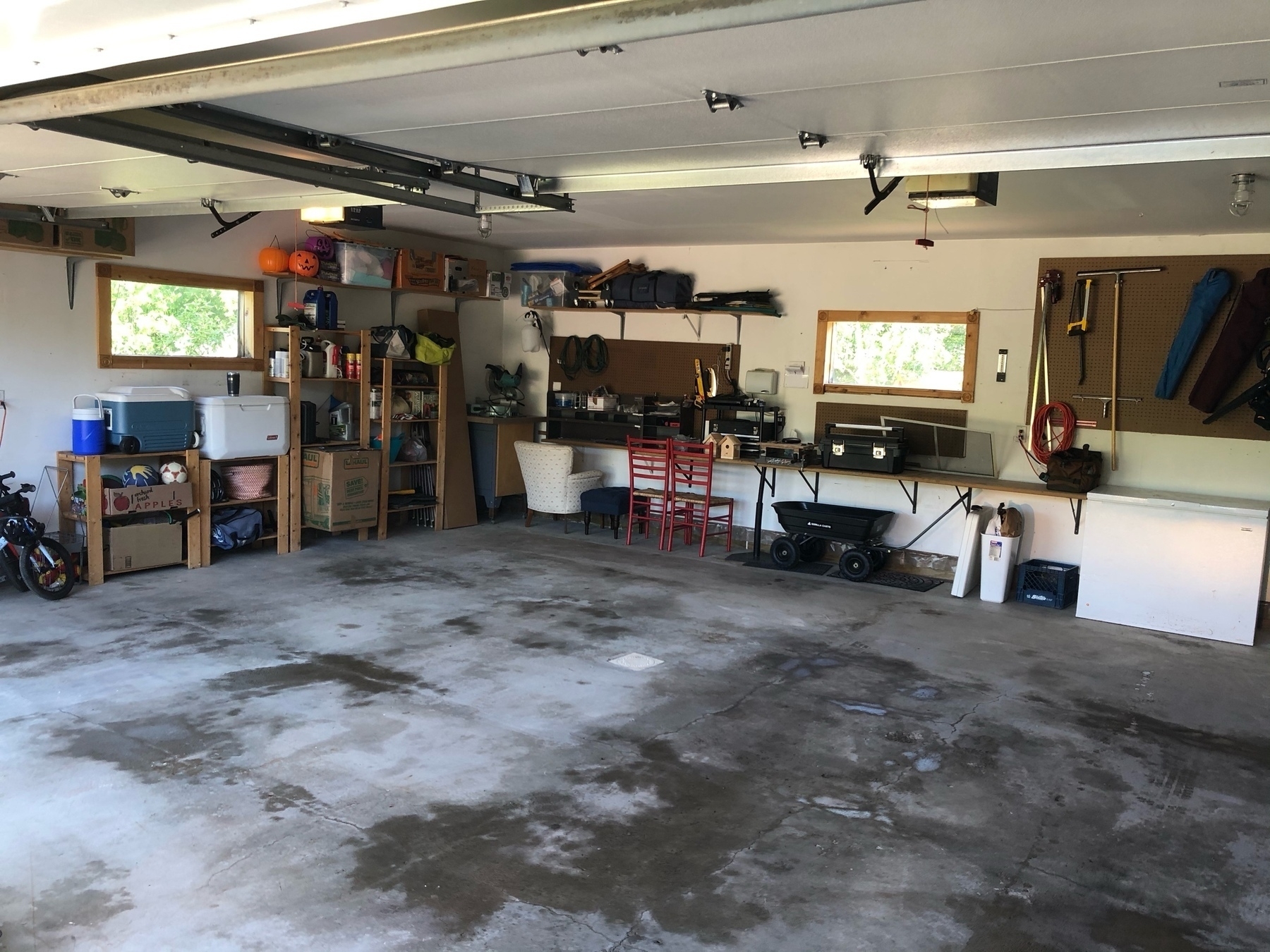
Weekend project: cleaning out the garage, the last holdout/dumping-ground from our Oct move. Wish I had a “before” shot—believe it or not, this is a major improvement! 🏡
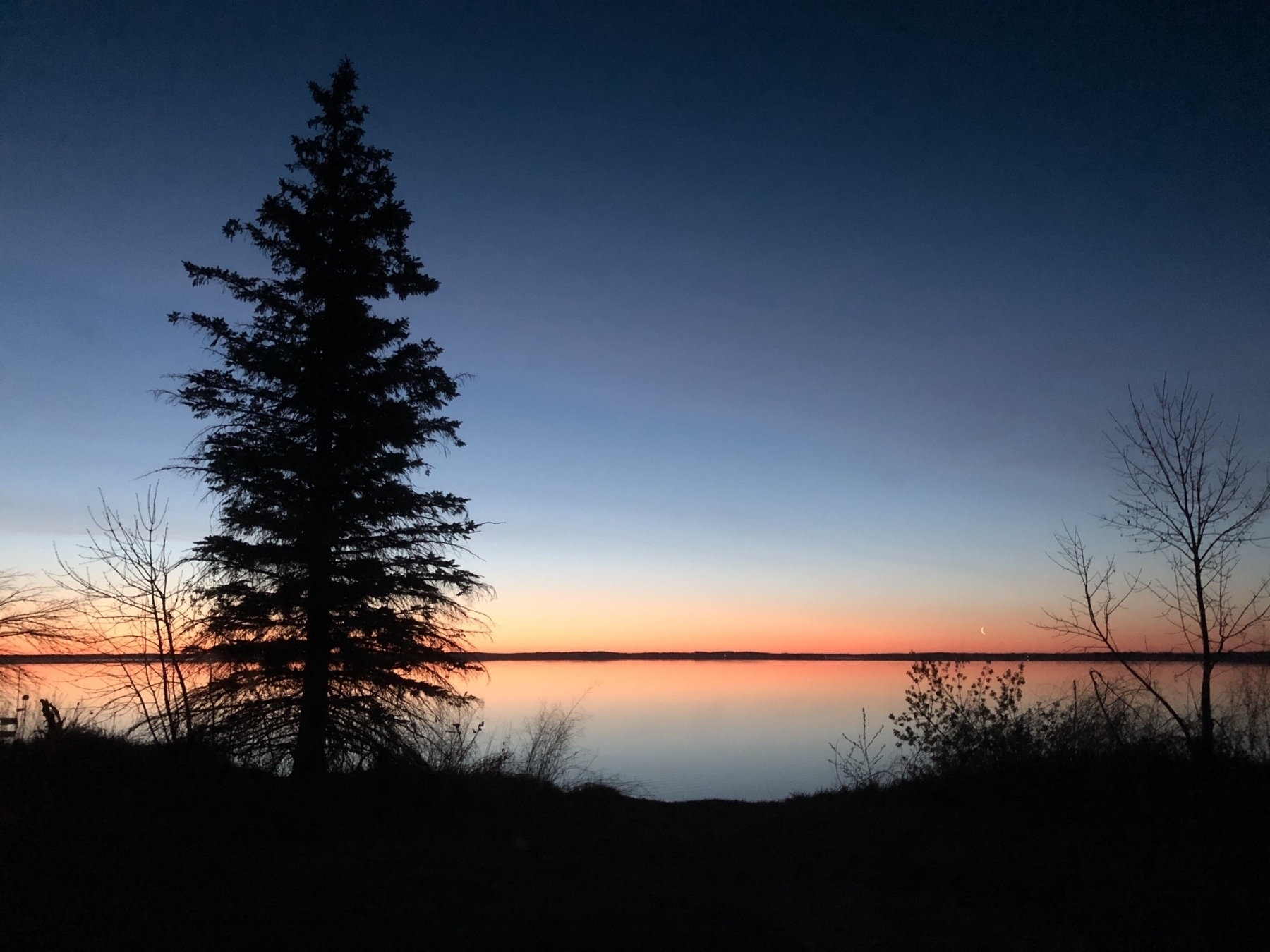
A beautiful sunrise over Rush Lake this morning. #nofilter 🏡
I’m not interested in the decision of the Facebook “oversight board” on Trump. A foregone conclusion from an inconsequential body.
I’m more interested in the decision of the general public to reject Facebook and Twitter entirely. Not a foregone conclusion, but one I hope for.
Management as marketing
I’m no management guru, but my takeaway from the drama at Basecamp is “Don’t confuse your management and your marketing.”
Perhaps if the policies hadn’t been communicated so publicly, not so much trust and goodwill would have been lost. As an employee, I wouldn’t feel good about my company making my workplace an example in the latest culture war—regardless of which side of that war I was on.
Of course, up till now Basecamp’s marketing has been basically all about revealing their management secrets. The consequences seem only now to be catching up with them.
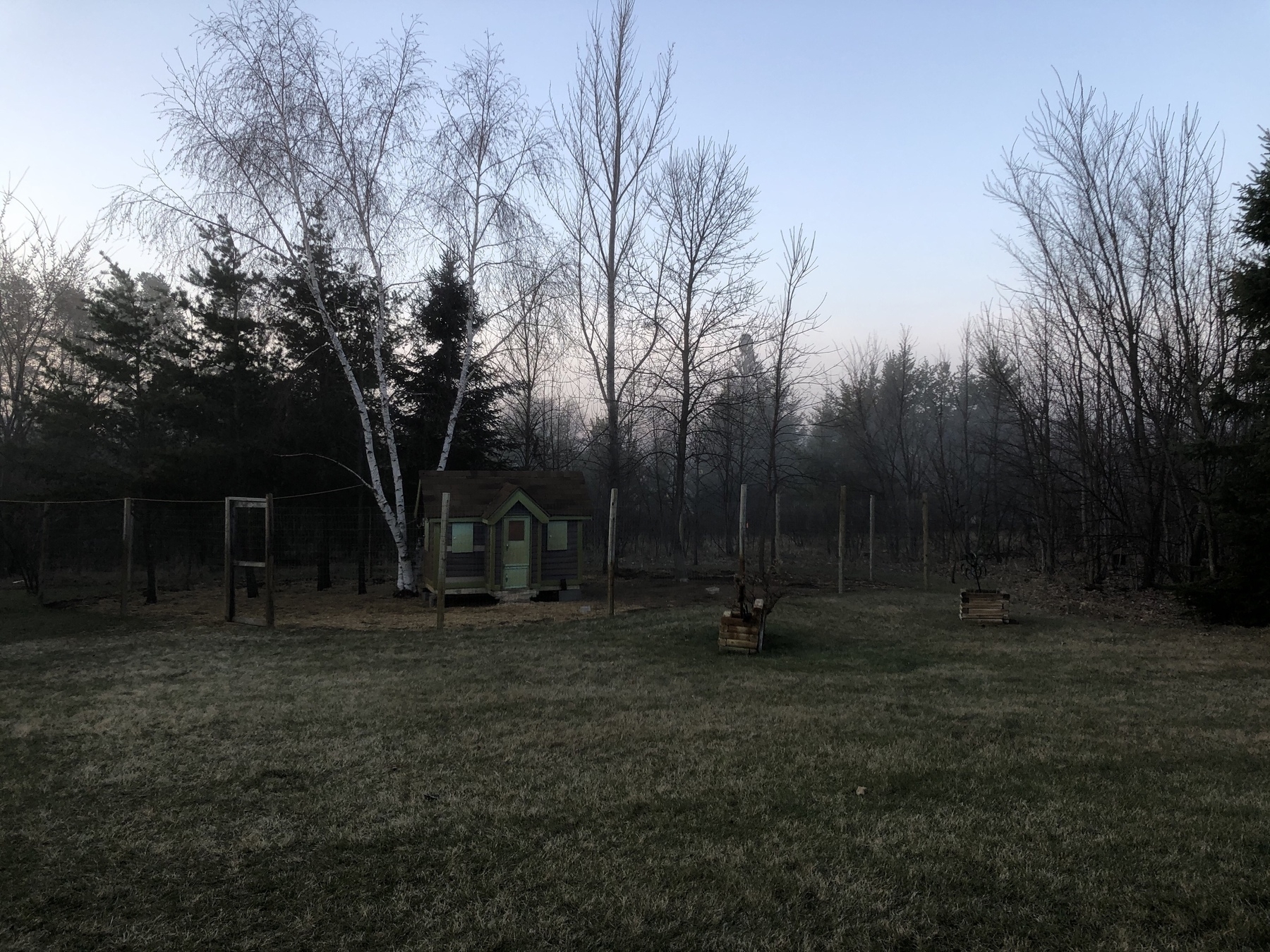
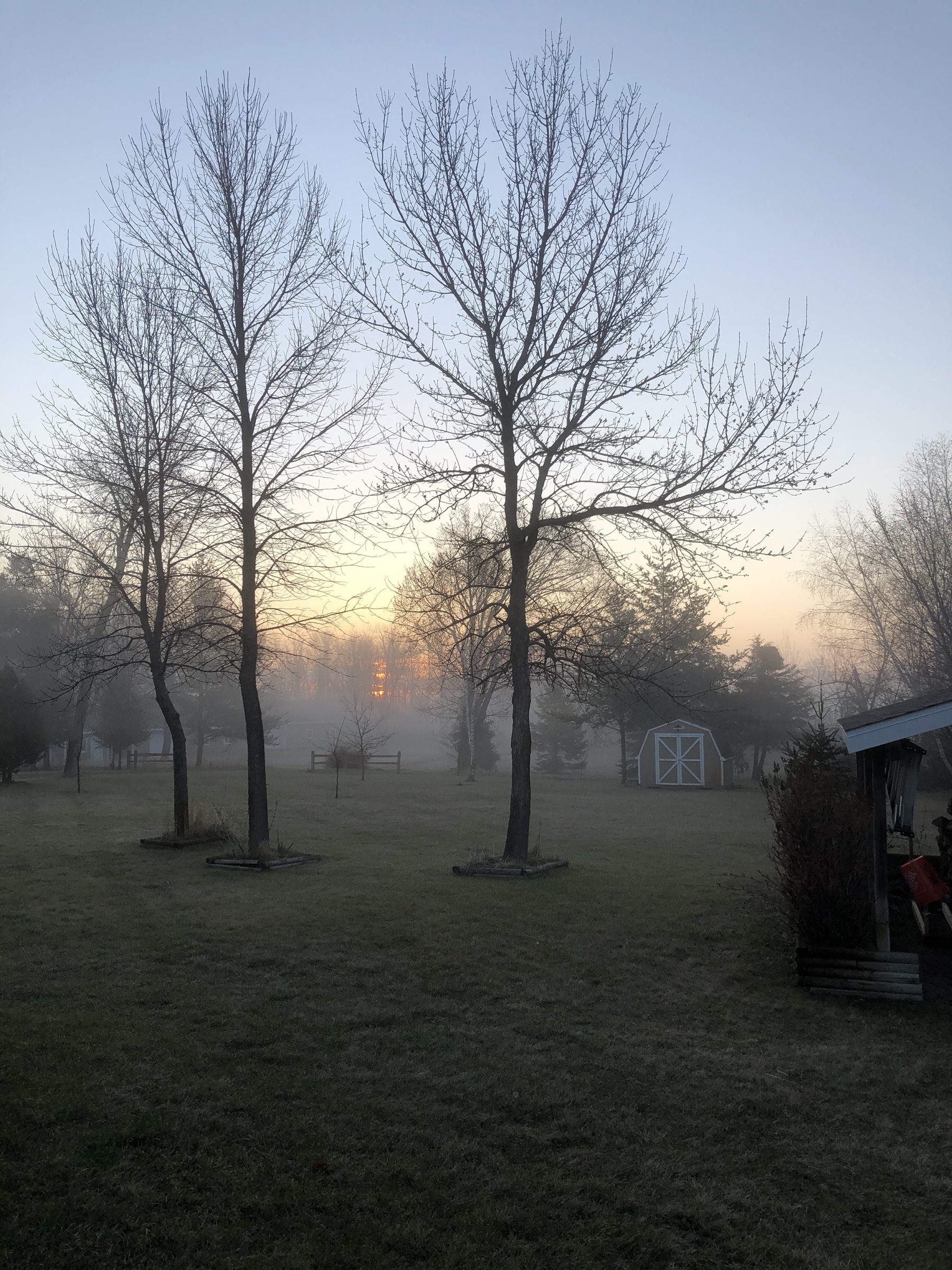
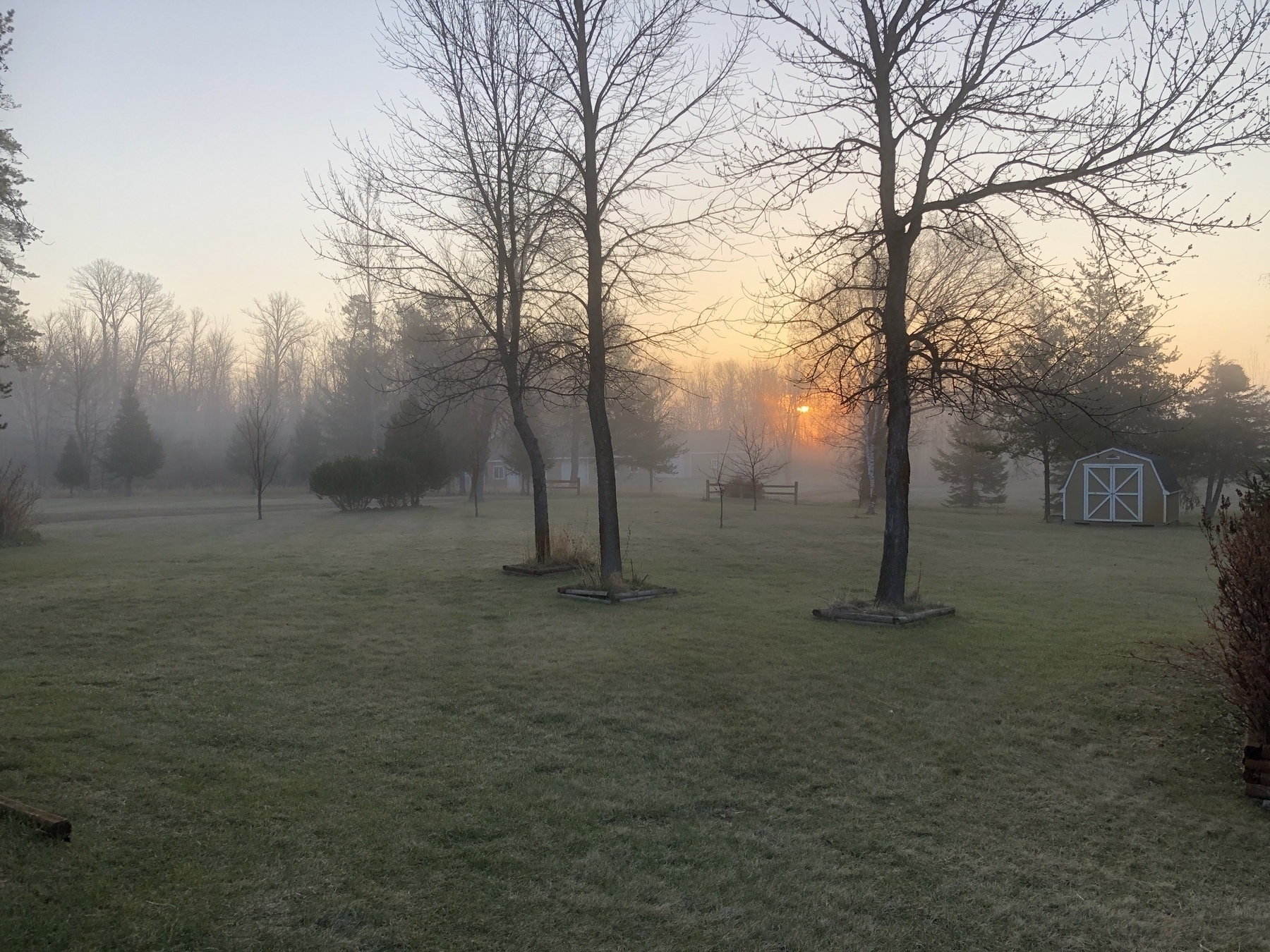
It was a beautiful foggy morning at Whispering Woods 🏡


Currently reading: The Master and His Emissary by Iain McGilchrist 📚
The European Super League™️ Sponsored by JPMorgan Chase® is an affront to soccer fans around the world. I certainly won’t watch it.
And I’m glad I don’t support a team that is joining it—because I’d have to seriously reconsider my support for that club. ⚽️
Conversion in modernity
Continuing on the theme, here’s Pierre Manent on why conversion can seem so objectionable to us moderns:
The only truly unforgivable human action is what one used to call “conversion." There is no longer any legitimate ground for change because there is no longer any legitimate ground for preference.
Varieties of Conversion 🔗
Two interesting pieces on conversion:
A review of Neil Price’s history of the Vikings, Children of Ash & Elm, that wonders how a people as fierce as the Vikings came to convert to Christianity.
Ross Douthat on the conditions of our meritocracy’s disbelief, and what conversion requires today (NYT).
Conversion is a fascinating concept, whatever form it takes (religious or otherwise; conversion or de-conversion): what would it take for you to embrace a dramatically different vision of reality? Can you imagine yourself a convert?
Who is Wanchope Ábila and what does his nickname mean? ⚽️
Minnesota United’s new striker, Ramón “Wanchope” Ábila is an old friend of our superstar midfielder Emmanuel Reynosa. The two played together at Boca Juniors, the Buenos Aires club I supported when I studied abroad there.
Ábila’s nickname is apparently a reference to the Costa Rican striker Paulo Wanchope, who played for West Ham & Manchester City (& even scored twice in 12 appearances for the Chicago Fire).
The original, Costa Rican Wanchope played for Rosario Central of the Argentine first division for a season, in 2006 (the year after I lived in BsAs). At the time, Ábila was coming up through the youth program at Instituto, a team from Córdoba that typically plays in the Argentine second division. I haven’t yet figured out how Ábila wound up being nicknamed after Wanchope.
Notably, Ábila scored a goal against Boca’s arch-rival, River Plate, in the 2018 final of the Copa Libertadores (the South American Champions League).
This match is infamous for the attack on the Boca bus by River fans after that first match. For safety reasons, the second leg of the tie had to be moved from BsAs to a neutral venue… in Spain. So yeah, that was probably Ábila’s most memorable goal.
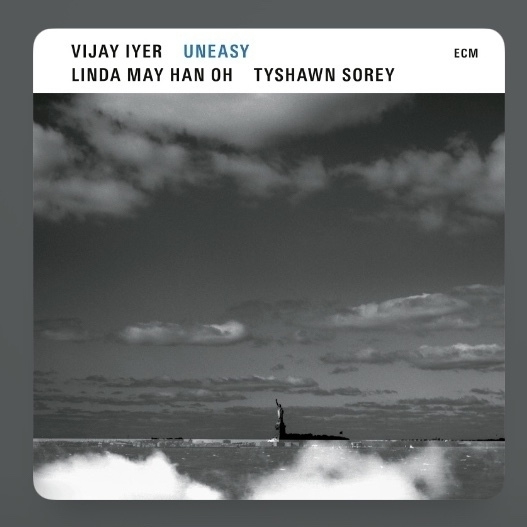
Dropped yesterday: Uneasy by Vijay Iyer with Linda May Han Oh & Tyshawn Sorey. Three jazz musicians at the absolute pinnacle of their instruments. It’s a beautiful album. 🎶