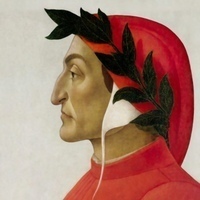
UMN professor of history Jon Butler has a fascinating new book out: God in Gotham: The Miracle of Religion in Modern Manhattan. According to an interview with Publishers Weekly, the book “explores the rise of religious pluralism in Manhattan between 1880 and 1960." I’m in. 📚
Liz Bruenig on Catholicism & American power
Elizabeth Bruenig has written a couple of amazing columns this week for the NYT, columns that focus on the Catholic Church but help any reader better understand the contradictions in modern America.
Her first column sorted through the capitulations of Catholic politicians right and left to the demands of contemporary liberal-capitalist society. She suggests that it was inevitable that they’d abandon core Catholic principles even as they ascended to heights of power many never imagined possible for American Catholics.
Today she uses Amy Coney Barrett to discuss the long history, exemplified by John Locke, of anti-Catholic prejudice alongside the real tension between religious/metaphysical commitments and America’s political foundation, liberalism. 🔗
Coffee + grading while listening to Mahler’s Sympony No. 5, prompted by this touching anecdote from Alex Ross. 🎶 ☕️ 🔗
I watched The Booksellers this evening. It’s a delightful documentary about the passionate folks in the rare-book industry. Some mournful notes, but also some hopeful ones. Overall, a delight. Streaming now on, err, Amazon Prime. 📚 🎞
Here’s 58.5 hours of Glenn Gould playing Bach for y’all. See ya next week. 🎶
R.I.P. Fr. Edward Sthokal
Show me what you give your time and attention to, and I’ll show you what you love.
~Fr. Edward Sthokal
Here’s a beautiful send-off for a mentor who wouldn’t have wanted a fuss from D.J. Tice in the Star Tribune.
Sthokal was a powerful presence at the first 3 silent retreats I attended at Demontreville. Even as he was approaching 90 years old, and was already “retired,” he was present at the retreats and gave us an opening spiel with his trademark humor. In the Catholic Spirit, Stephen Boatwright recalls:
We usually have a wide variety of ages among the retreatants — from 20 to 90. Father Sthokol would often quip that ‘Some of you may be studying for your final exam.’
I’m not a Catholic, but I’m grateful for Fr. Sthokal’s presence. I’ll be back at Demontreville in a couple weeks, and it will be a changed place for several reasons. Not least of these will be the knowledge that Sthokal has now taken his final exam. Rest in peace.
It’s finally Minnesota’s turn in the Atlantic’s series of photographs from each of the 50 states. 🔗 📸

Catching up on some soccer highlights: Alphonso Davies had a ridiculous assist for Bayern in their 8-2 destruction of Barcelona in the Champions League quarterfinals. If I were Nèlson Semedo I wouldn’t show my face in public for a few weeks… ⚽️🔥
At the very center of his identity, Kushner is a Good Son. He’s run the country in a spirit of filial devotion to an implacable father. It’s a role that he thrives at playing, because he’s spent his whole life rehearsing for it.
~Jared Kushner, profiled in The Atlantic 🔗
Just behind the kingdom that failed ran a nice little river. It was a clear, lovely stream, and many fish lived in it. Weeds grew there, too, and the fish ate the weeds.
~Haruki Murakami, “The Kingdom That Failed” 🔗 📖
Tonight’s MNUFC win shows a deep team that’s well-coached. Some of our best players—Opara, Molino, Metanire—were out, but we dominated a surging San Jose team. And as usual, Hassani Dotson dominates wherever he plays. Can’t wait for the Adrian Heath revenge match against Orlando! ⚽️
Visit to Como Zoo / RIP Buzz
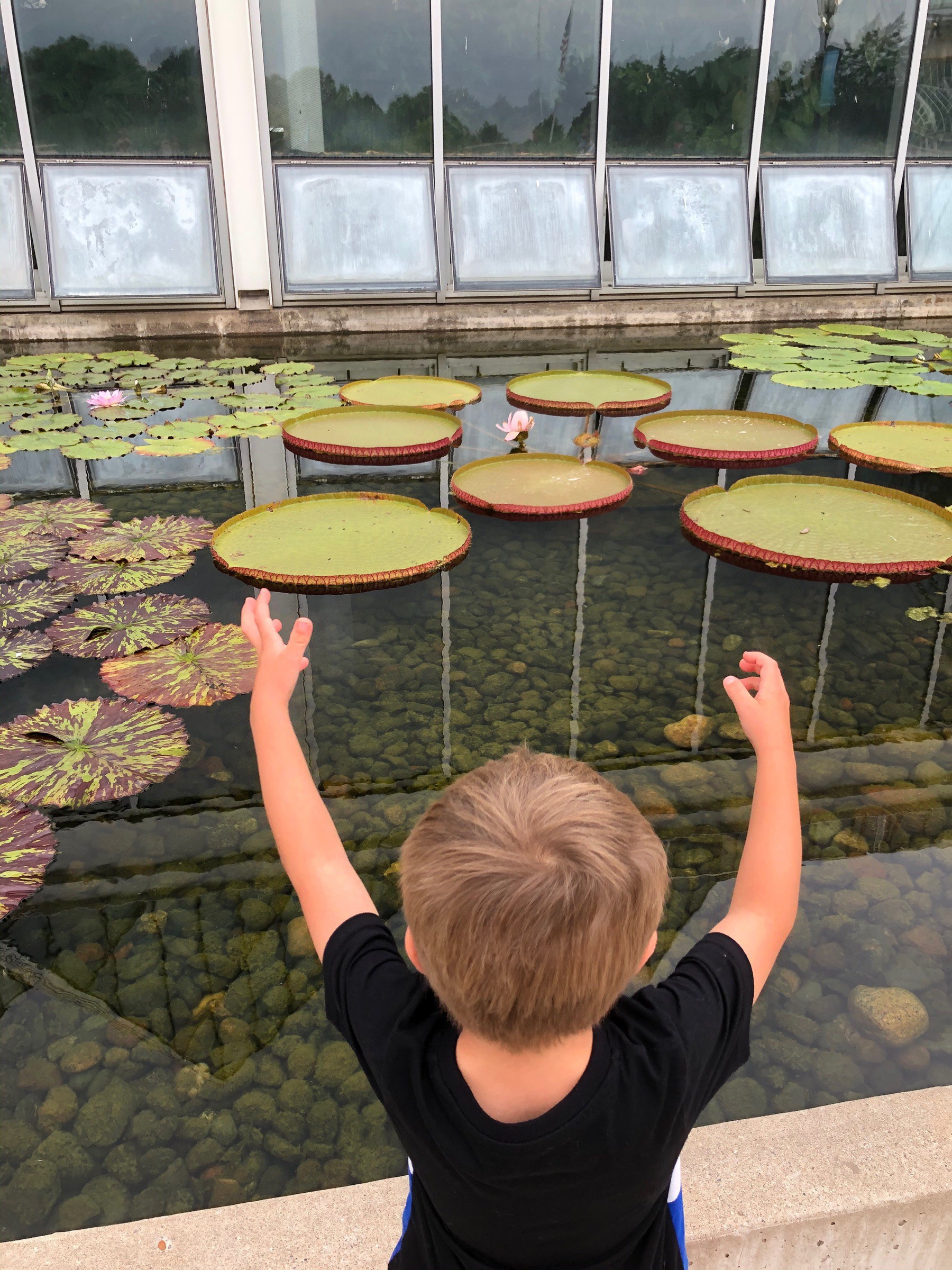
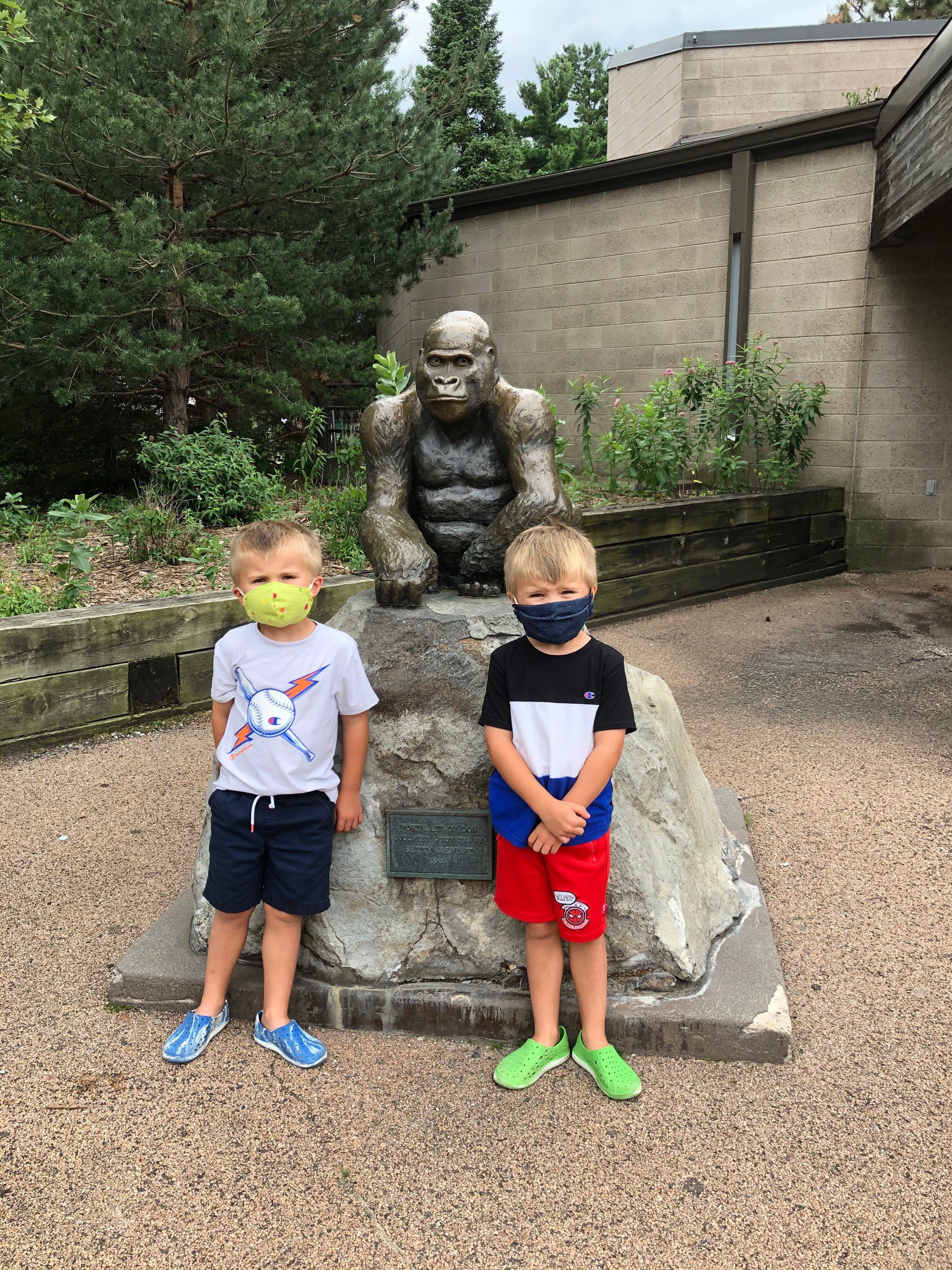
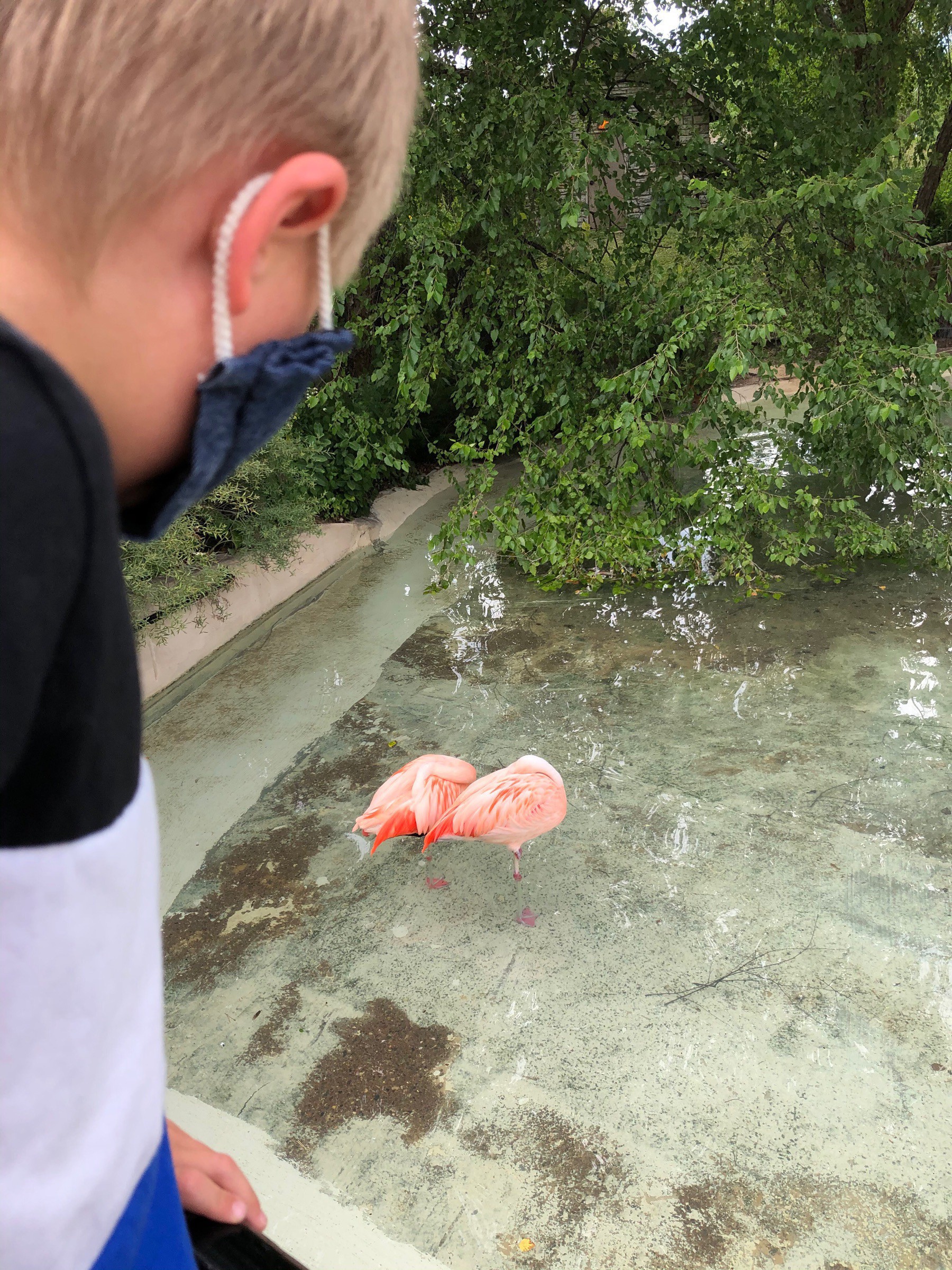
Abe, Sam, & I visited Como Zoo today. It opened a few weeks ago, and I was impressed with how seamless and enjoyable the experience was. It was one way, with some sections completely cordoned off, but clearly marked and easy to navigate.
We saw all the most exciting animals, and heard both the lion and the sea lion roaring.
We wondered why we could see only one of the two polar bears. When I got home this evening, I was sad to read that Buzz (named after Aldrin) was euthanized just earlier today. Neil, his twin brother (named after Armstrong), looked sad, lying on the concrete and occasionally opening his eyes, without moving. RIP, Buzz. And thanks, Como Zoo, for a great experience.









In the years to come, New York and the United States would eventually recognize and embrace Derek Walcott. The disappointment of this early encounter with New York would be replaced by a fuller and more satisfactory relationship with the city.
~Walcott in NYC (h/t 3QD) 🔗 🇱🇨
“Same as it ever was”: On heaven & the Talking Heads 🔗
The traditional imagery of heaven is ribbon-wreathed and rococo, but “Heaven” is almost severe in its simplicity.



A delightful story about an initially failed, but remarkably persistent, fantasy writer:
Brandon Sanderson: ‘After a dozen rejected novels, you think maybe this isn’t for you’ 🔗
The promise of politics is that, within and through our differences, some form of common life can be discovered. But if the process of discovery is to be faithful, hopeful, and loving, we must render ourselves vulnerable to others we don’t understand.
On the nihilism of Harari’s *Sapiens* 🔗📚
Sapiens is a distinctly nihilist tract, rejecting every sort of theism, every claim that life has meaning, and every assertion of human rights. According to Harari, there’s nothing the least bit sacred about human life, the Declaration of Independence is in error about liberty and equality, and the word “nature” itself—as in human nature—is meaningless. Insofar as Sapiens is a work of philosophy, it’s Nietzchean in its rejection of the most central human values, as well as in its suggestion that a superman—created by genetic or “inorganic” engineering—may be on the way.
~Mark Lieb, in Commentary
Malick’s technique 🔗 🎞 🎥
The effect is to situate the actors within the world; even with closeups, the individual is never alone in front of the camera. So Fani’s anguished face is set against the backdrop of the people enforcing her isolation.
From a review of Terrence Malick’s film A Hidden Life that beautifully connects the formal, cinematic techniques employed in the film to its underlying theme, martyrdom.
Appiah on race, language, & capitalization 🔗
A compelling essay by philosopher Kwame Anthony Appiah that argues for why it’s so problematic to capitalize “Black” but not “white”:
One reason that the MIT philosopher Sally Haslanger prefers to capitalize the names of races is, she explains, “to highlight the artificiality of race,” by contrast to the seeming naturalness of color. A larger argument lurks here: Racial identities were not discovered but created, she’s reminding us, and we must all take responsibility for them. Don’t let them disguise themselves as common nouns and adjectives. Call them out by their names.
Toward the end of his essay, Appiah notes that language doesn’t change by fiat, but organically, based on what arguments about linguistic conventions win in the sphere of daily life and practice: how people actually speak and write.
I spend significant time teaching language, so I appreciate this aspect of his argument. Too often, people wave their hands or act as if issues of language are merely random and pointless; others believe that a usage-board’s decision can or should effect change is common usage. Neither of these responses reflects the true complexity of linguistic change, or the importance of argument in contributing to this change.