Reading

Finished reading: Moonbound by Robin Sloan.
So great! Handed it off to my daughter—she’s 11; I’m sure she’ll enjoy it just as much. 📚

Finished reading: Night Train by A. L. Snijders.
Wonderful microstories, translated by Lydia Davis. Highly recommended. 📚

Currently reading: When Breath Becomes Air by Paul Kalanithi 📚
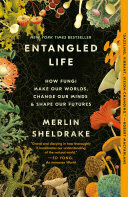
Want to read: Entangled Life by Merlin Sheldrake 📚
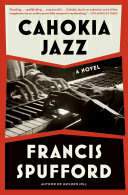
Finished reading: Cahokia Jazz by Francis Spufford.
This book is incredible—it connects many of my interests: jazz, counterfactual American history, religion, noir; the characters are wonderfully unique; the plot is gripping. Highly recommended! 📚
Currently reading: Night Train by A. L. Snijders.
Very short stories translated from Dutch by Lydia Davis (who herself writes brilliant microfiction). 📚
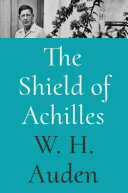
Currently reading: The Shield of Achilles by W. H. Auden 📚
Currently reading: Cahokia Jazz by Francis Spufford 📚

Finished reading: The Dark Forest by Cixin Liu 📚

Currently reading: A Time to Keep Silence by Patrick Leigh Fermor 📚

Currently reading: Aspects of Truth by Catherine Pickstock 📚

Currently reading: If On A Winter’s Night A Traveler by Italo Calvino.
Christmas: the perfect time to reread old favorites. 📚

Currently reading: The Blue Flower by Penelope Fitzgerald 📚

Finished reading: Station Eleven by Emily St. John Mandel 📚
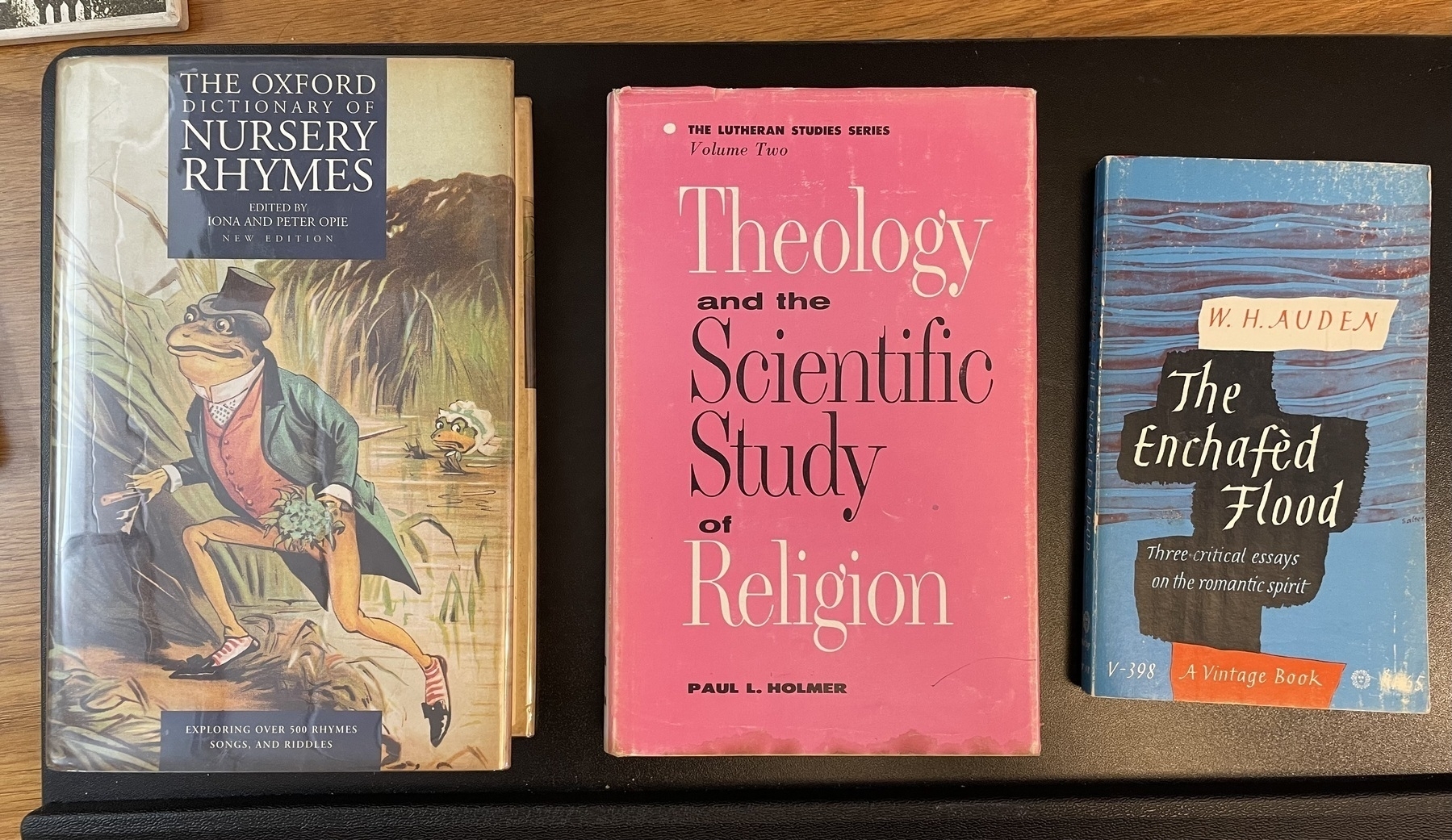
Great day at the used book store 📚
Finished reading: *The New Leviathans* by John Gray

Finished reading: The New Leviathans by John Gray.
A book with no single overarching thesis beyond an examination of how liberal democracy is in crisis in the West, and how the alternatives at the moment, primarily Russia and China, are… unsavory.
Gray’s book, just 3 brisk chapters, helpfully resuscitates Hobbes as interested in the wide range of forms Leviathan can take to provide order, peace, and freedom to its citizens. Unfortunately, all of these are more or less totalitarian—which is why Gray finds in Hobbes a helpful thinker for our age, in which the world is converging on forms of surveillance capitalism:
The seeming triumph of liberalism and the free market was not an evolutionary trend but a political experiment, which has run its course. The result has been to empower regimes in which market forces are instruments of the state.
Instead of China becoming more like the West, the West has become more like China.
The middle chapter of the book is composed of a series of short vignettes of different disenchanted Soviet political thinkers, poets, & artists, such as Konstantin Leontiev, Vasily Rozanov, Dostoevsky, Alexander Boldyrev, Polina Barskova, Daniil Kharms, Jósef Czapski, and Teffi—most of whom have been forgotten by history; all of whose lives and writing, however abortive, provide a testament to the horrors of life under the Soviets.
In the book’s first and final chapters, Gray turns his attention to the ways in which our new Levianthans are different from Leviathan as Hobbes imagined it:
The goals of Hobbes’s Leviathan were strictly limited. Beyond securing its subjects against one another and external enemies, it had no remit. The purposes of the new Leviathans are more far-reaching. In a time when the future seems profoundly uncertain, they aim to secure meaning in life for their subjects. Like the totalitarian regimes of the twentieth century, the new Leviathans are engineers of souls.
Even as our surveillance and industrial-agricultural technologies are become more and more powerful, though, natural is fighting back. Gray suggests that these new Leviathans may be tamed by nature herself, as climate change resists our efforts to feed billions. Future prospects are grim, however much “progress studies” rational optimists fill our feeds.
In the end, as a skeptical, humanistic Christian, I appreciate Gray’s skeptical, pessimistic, atheistic humanism. He doesn’t pretend the Christian roots of our current liberal order can be jettisoned without massive cost. Despite the bleakness of his outlook, he ends with not a call to arms, but a call to life:
If we go on, it is because we cannot do otherwise. It is life that pulls us on, against the tide, life that steers us into the storm.
Not quite stirring words, though one gets the sense they’re as rousing as Gray can muster.📚

Currently reading: Your Face Belongs to Us by Kashmir Hill 📚

Currently reading: Toward the Winter Solstice by Timothy Steele 📚