Reading
Tyler Cowen draws attention to the remarkable life and work of the Catholic religious scholar R.C. Zaehner, whose Wikipedia page is, indeed, fascinating and wild. 📚
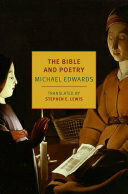
Currently reading: The Bible and Poetry by Michael Edwards 📚
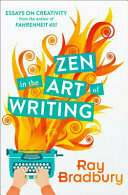
Finished reading: Zen in the Art of Writing by Ray Bradbury.
I love Bradbury’s simple, relentless enthusiasm for writing. 📚
One should act like a man of thought, and think like a man of action.
~Henri Bergson, quoted by Iain McGilchrist in The Matter with Things 📚🏡
Can’t wait to dig into this one. 📚
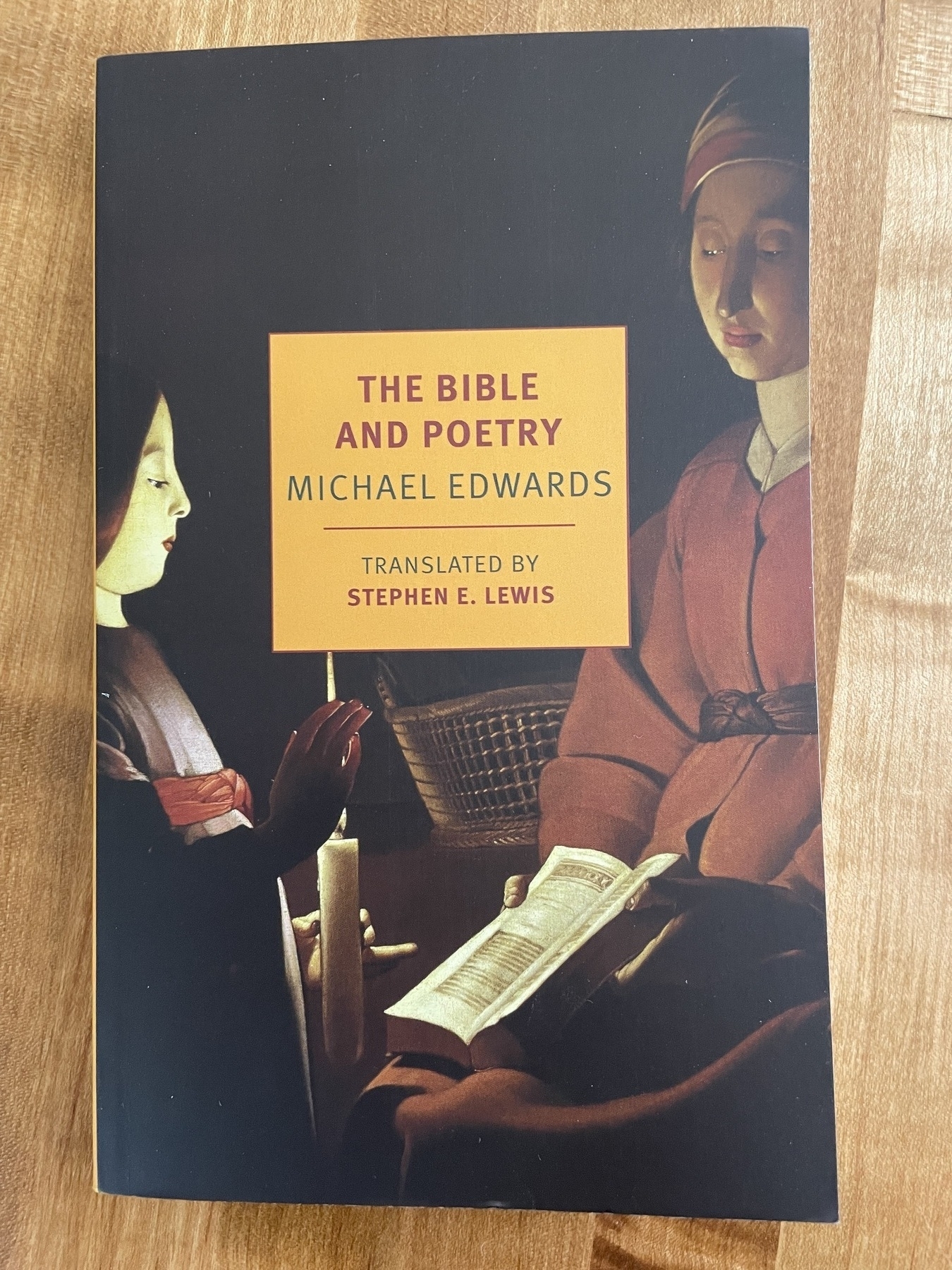

Currently reading: Zen in the Art of Writing by Ray Bradbury 📚
It’s incredible how many good book groups, seminars, & tutorials the Catherine Project is offering this fall—and all for free! I’d love to join them all. 📚

Currently reading: In Search of Lost Time Volume I Swann’s Way by Marcel Proust.
It’s been a decade or so. Just 25 pages in, I can’t believe how many gems I’ve already forgotten. 📚
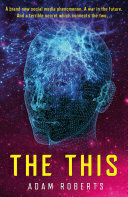
Finished reading: The This by Adam Roberts.
Lots to think about with this delightful book. Roberts calls it a Hegelian sequel to his Kantian book The Thing Itself. I think it can be equally read as a sort of hellish prequel to Purgatory Mount (is Paradise next?), or as a sci-do cautionary-tale companion to Nita Farahany’s The Battle for Your Brain.
In any case, science fiction at its strangest & best. 📚
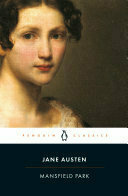
Finished reading: Mansfield Park by Jane Austen.
Rather sobering to have finished it on Father’s Day. But, like all of Austen, full of wisdom: a reflection on good judgment. 📚
My friend Rick recently helped design a book of poems about Parkinson’s disease.
The book is written by John Foley and illustrated by the great Mary GrandPré of Harry Potter fame.
Download a copy for free here. Hope you find it encouraging! 📚
Currently reading: Mansfield Park by Jane Austen 📚
NB, publishers: describing an author as a “Forbes 30 Under 30 scientist” makes me want to read their book much, much less. 📚

Finished reading: Laurus by Eugene Vodolazkin.
My second read; it’s as beautiful and profound as it was the first time through.📚
I’m heading to Chicago this weekend for a birthday celebration with my father & brother. I’m eager for some bookstore recommendations. Any advice, Chicagoans? 📚
On Brad East’s blog, Denise Levertov’s Good Friday poem “On a Theme from Julian’s Chapter XX”:
Every sorrow and desolation He saw, and sorrowed in kinship.
✝️📚🔗
[Early book collectors] supported the lively culture of book hunting that still goes on, diminished but not dead yet, in the auction houses and antiquarian bookshops of New York, Boston and other cities.
Can this gentle, humane culture survive the attritions of social media and the carceral state? In a way, it already has.
~Anthony Grafton, in an delightful LRB review-essay of Denise Gigante’s new book. 📚

Currently reading: The Secret Commonwealth by Robert Kirk
A gloriously strange book from 17th-century Scotland. 📚