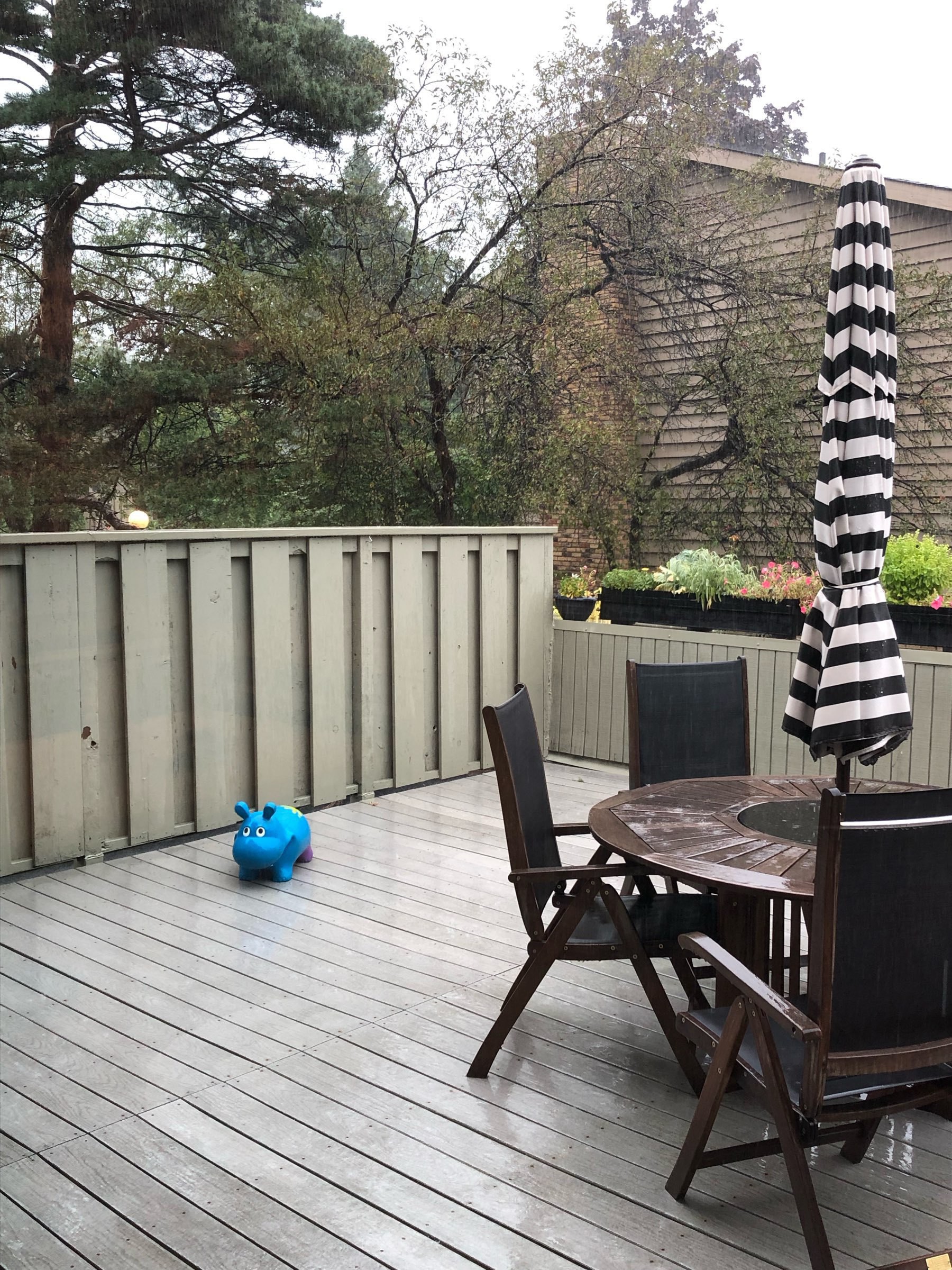
I voted today after work. The poll workers seemed genuinely surprised when I walked in—I bet fewer than a dozen ballots were cast at my precinct today.
In defense of my neighbors, the only item on the ballot was the school board; 3 candidates were running for 3 open seats.
Lots of news regarding my beloved MN United today ⚽️:
- Rookie defender Chase Gasper called up to the USMNT
- A front-office reorganization sees coach Adrian Heath take on GM duties
- Teenage DP Thomás Chacon loves parrillada
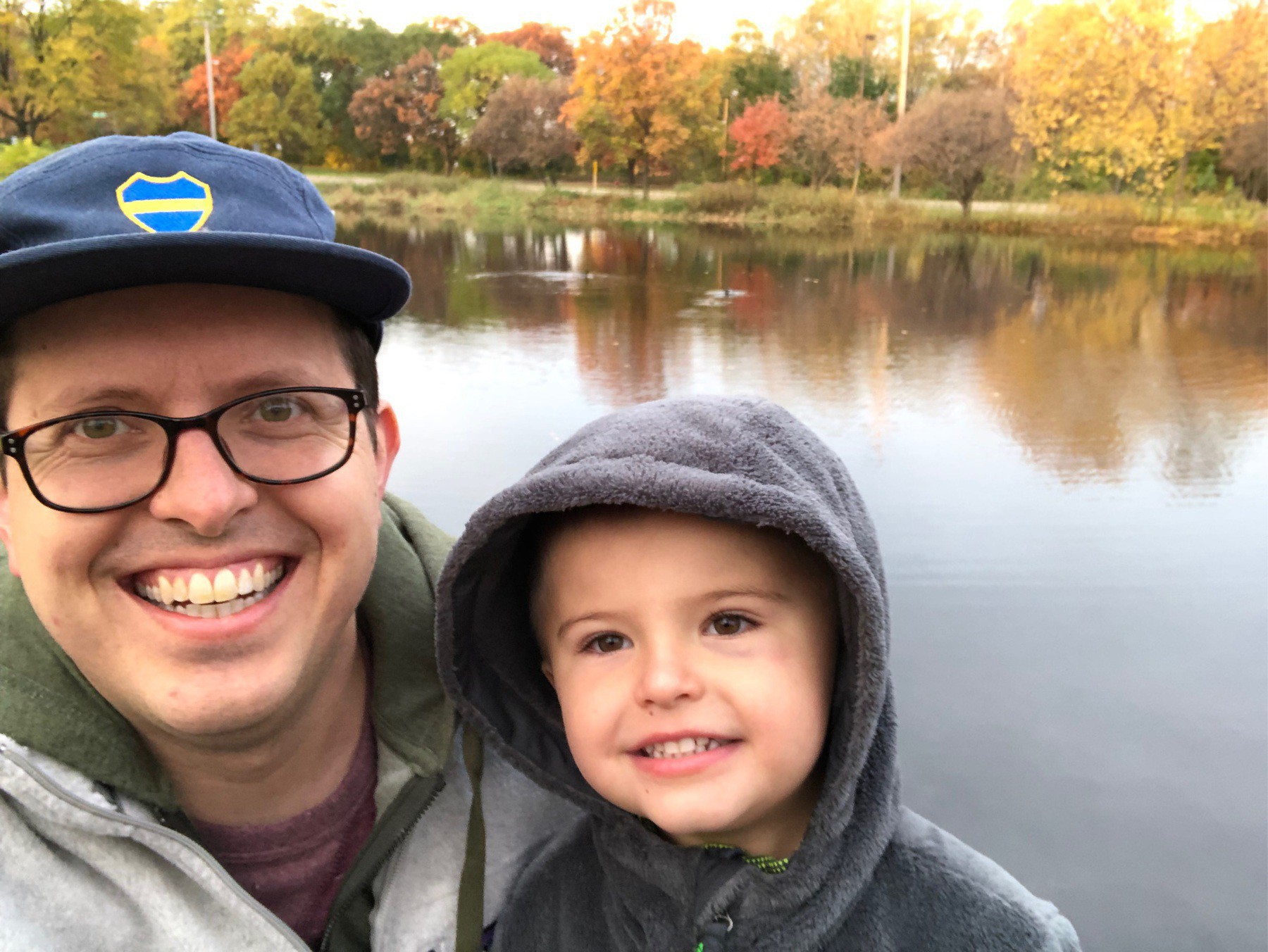
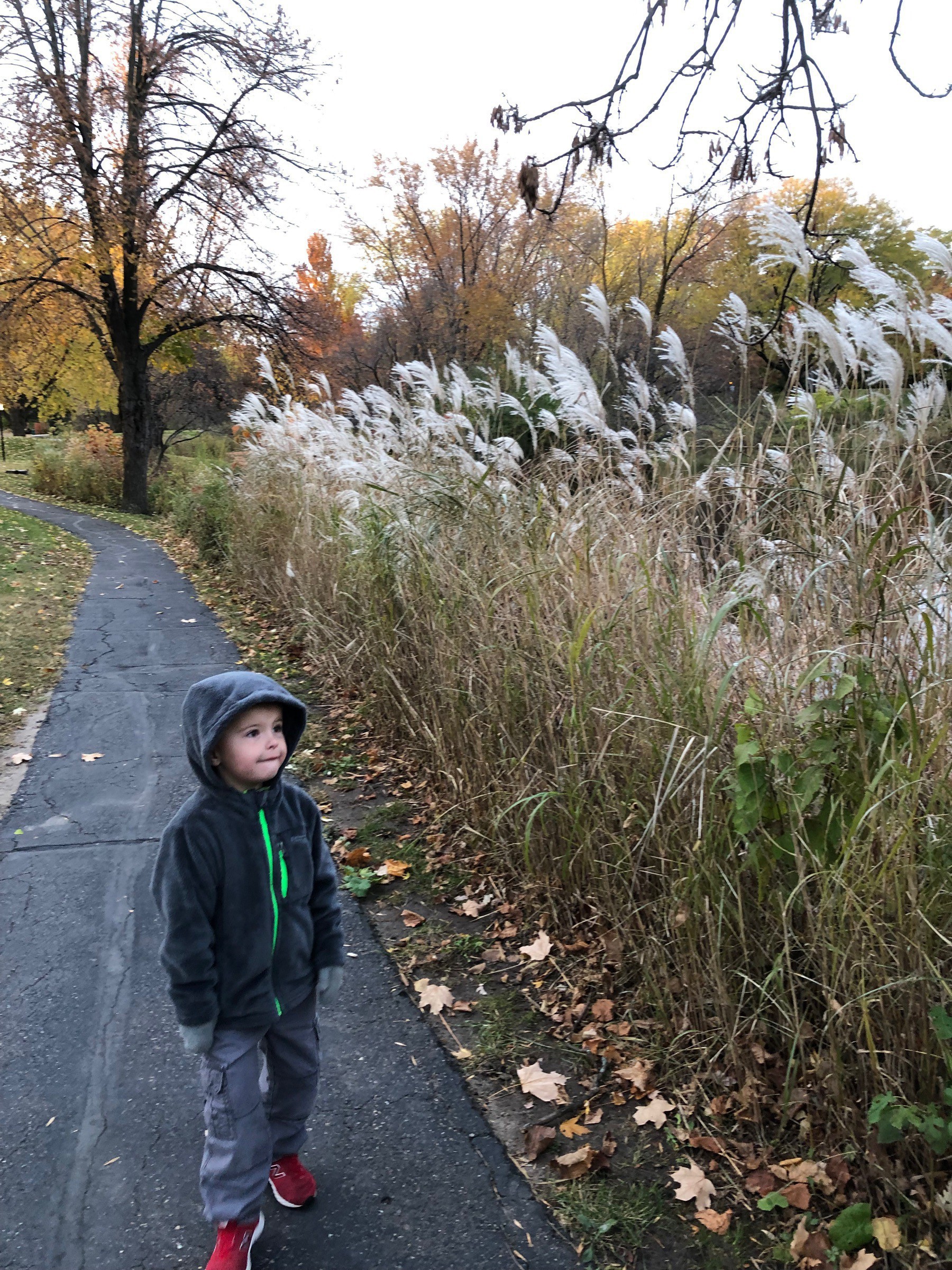
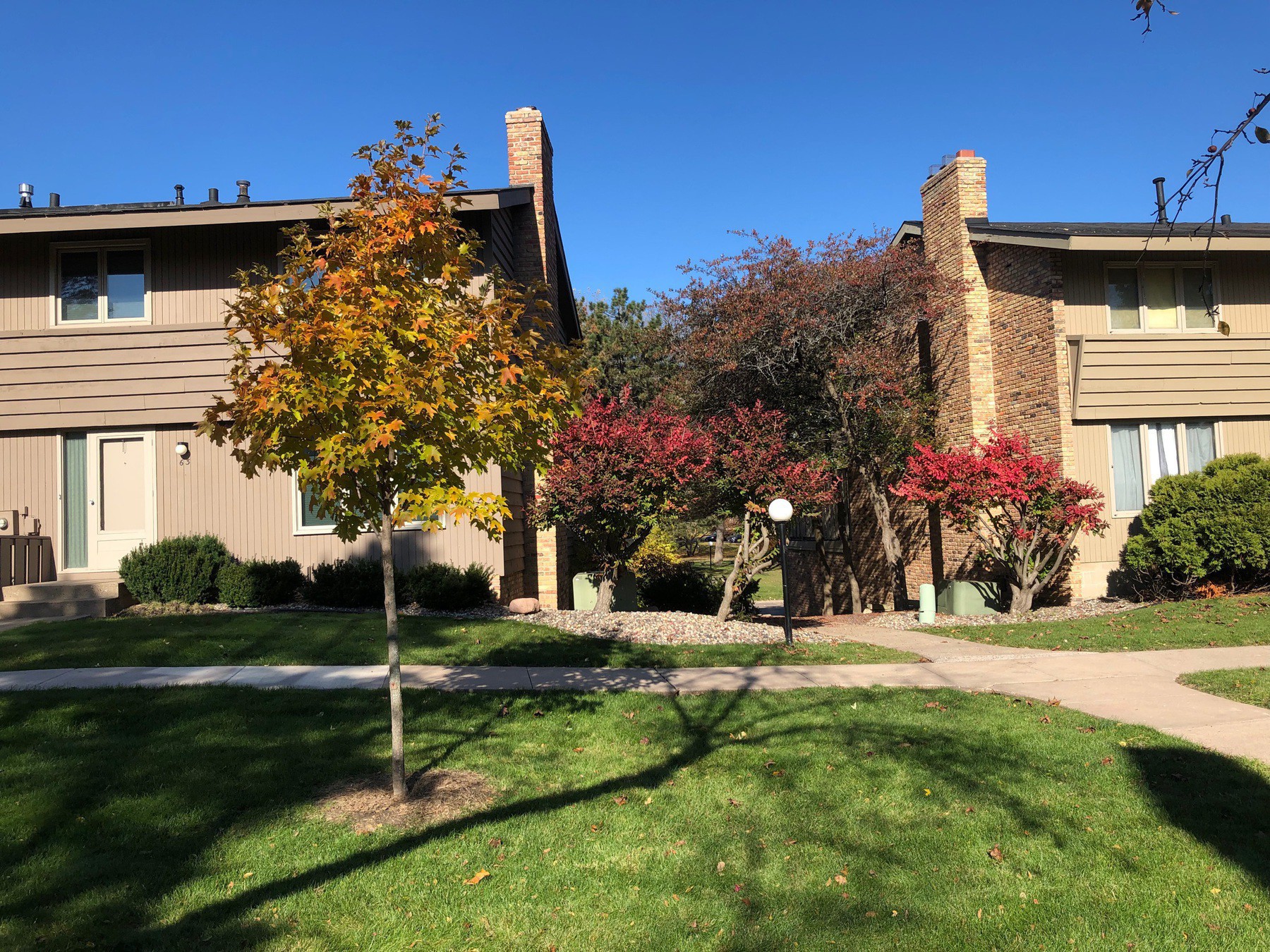
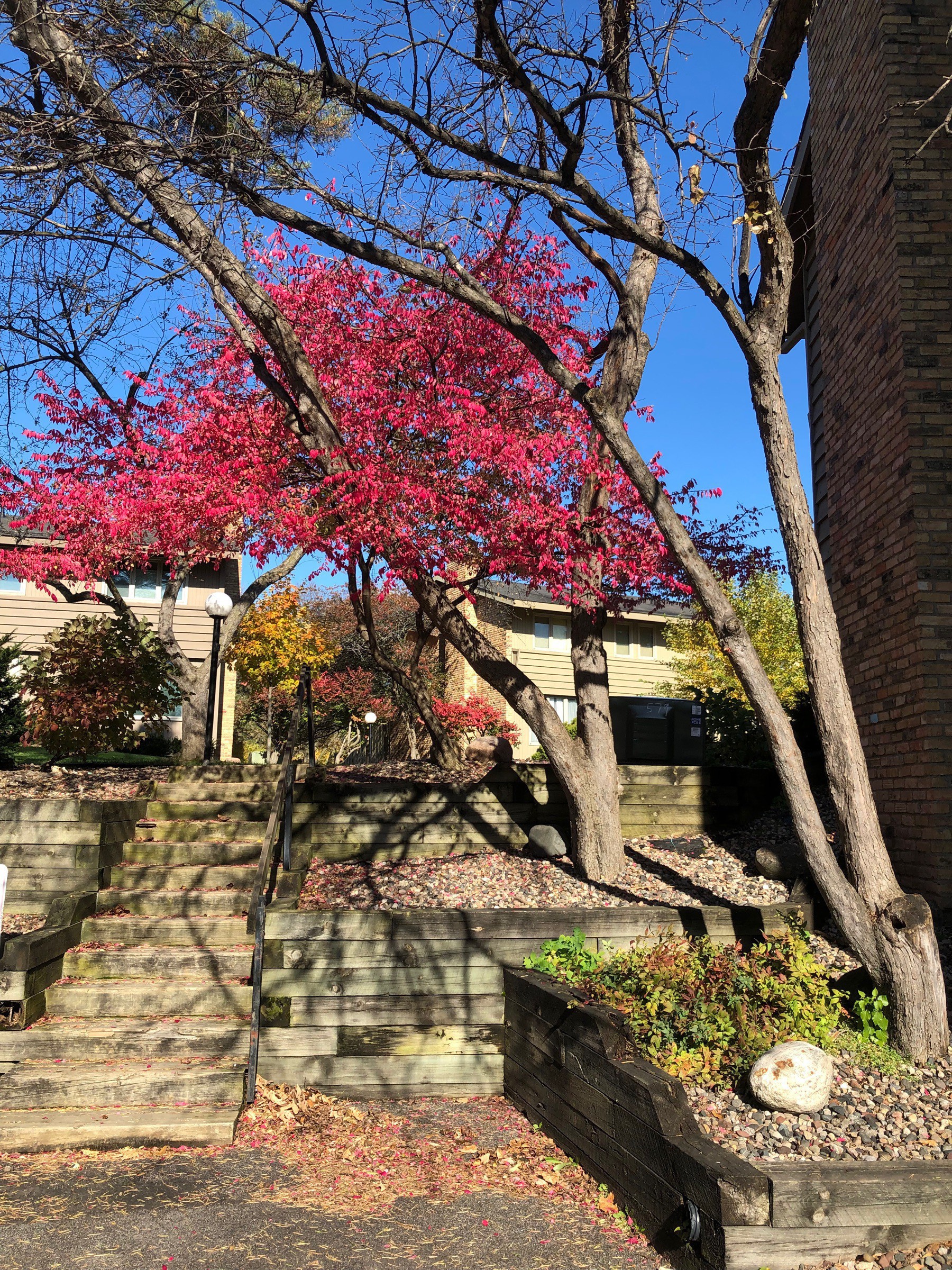
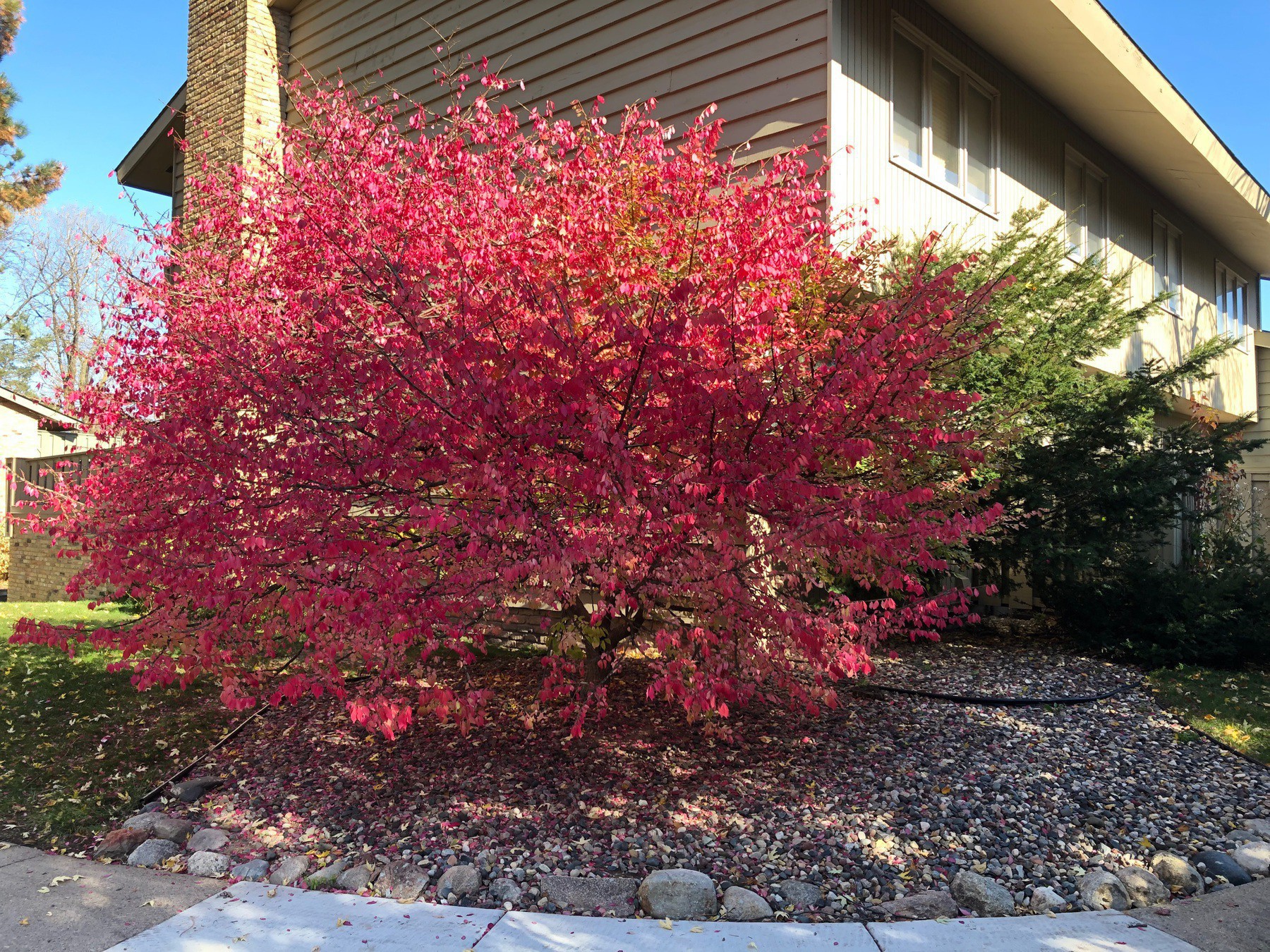
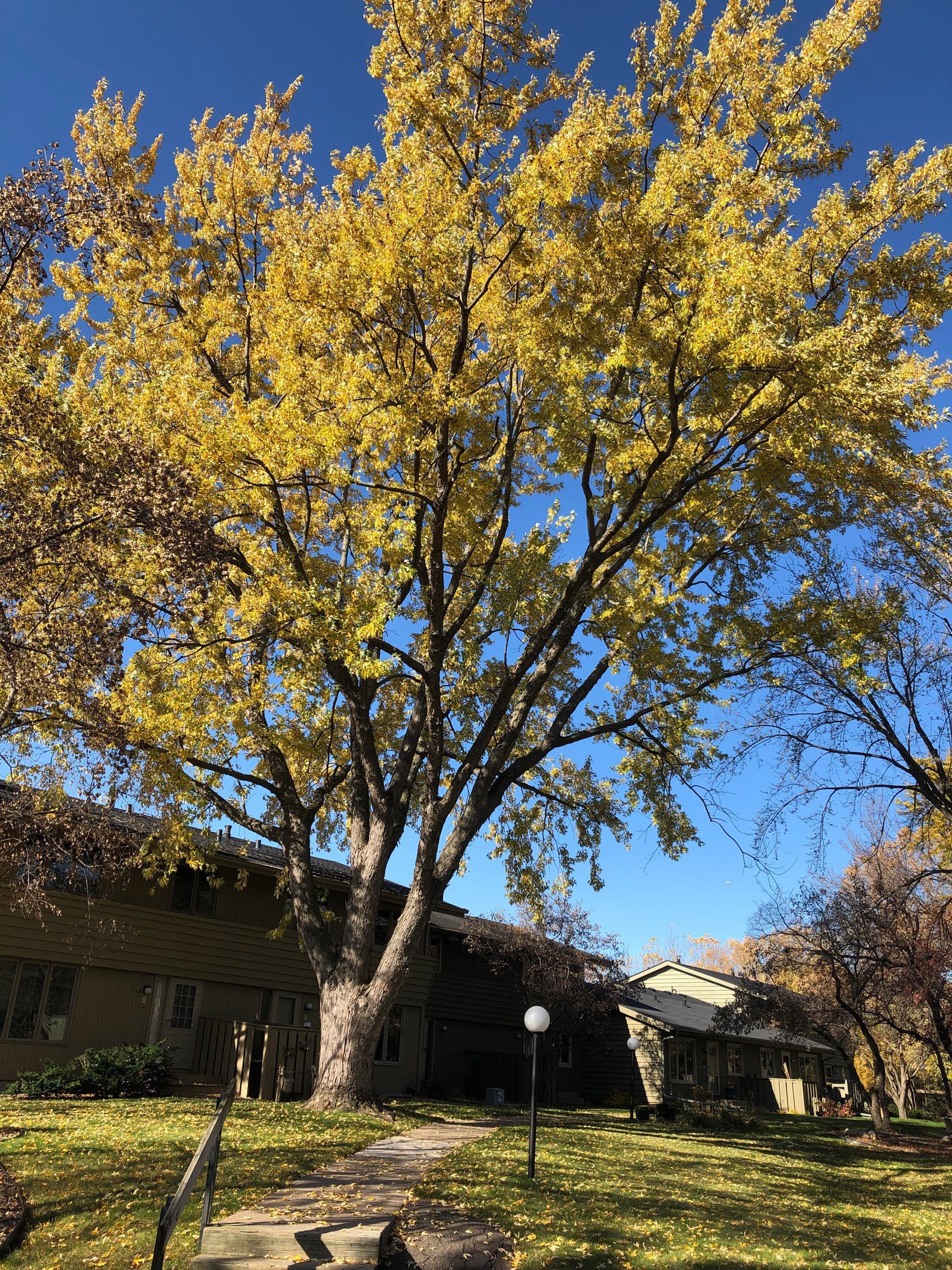
Early morning nature hike. 📷🍁
MInnesota United ⚽️ declined contract options on five players today:
- Carter Manley
- Collin Martin
- Wilfried Moimbé-Tahrat
- Ally Hamis Ng’anzi
- Rasmus Schuller
I’m not too surprised, though I am excited to see who they bring in. It’s going to be a long offseason…
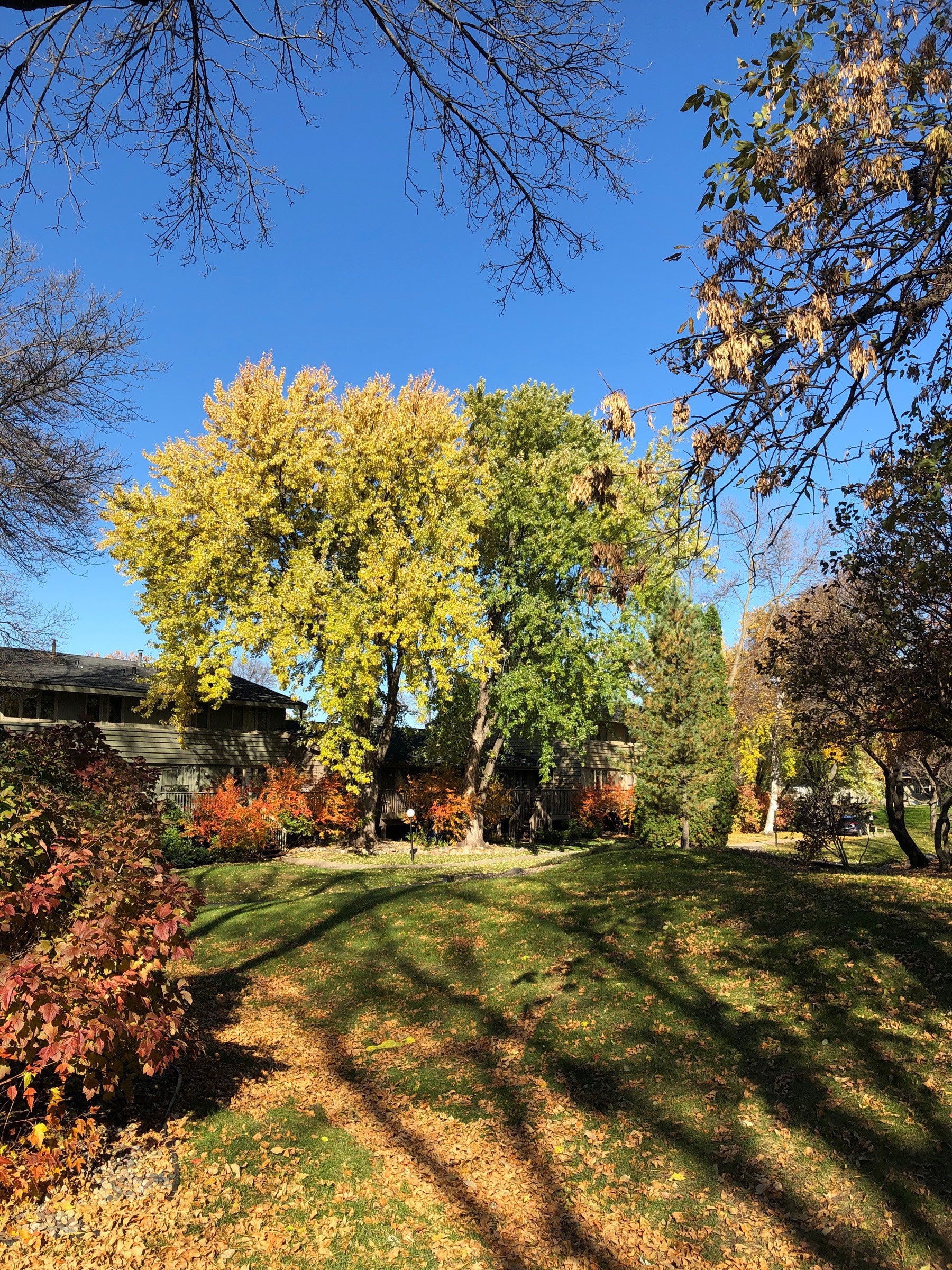
MN United FC: Season Recap and Roster Notes ⚽️
Last night’s heart-breaking loss to LA Galaxy brought an end to a pretty exciting, encouraging season. The front office made some great moves (Gregus, Metanire, Alonso, Opara), and one or two not-so-great moves; they built for the future with an exciting young DP signing in Uruguayan Thomas Chacon and a killer draft—regulars Hassani Dotson and Chase Gasper along with goalkeeper Dayne St. Clair. Overall, they showed some evidence of direction, progress, a plan. They just didn’t show much evidence of being able to redirect when our offense fizzled to pretty much nothing for our last half-dozen matches.
Here are my thoughts on the roster: who’s in for next season, who should be leaving, and who they’re going to keep but try to improve upon.
The Core: Veterans
These are the players that should be starting matches—and winning them for us.
- Alonso and Opara: goes without saying. They were rock-solid. It brings me joy seeing those two out on the pitch. They’re leaders, hard workers, inspiring. I know Opara has some years left in him; I just hope Alonso has another season because I don’t think Dotson’s ready to fill those shoes quite yet.
- Gregus: I think he’ll continue to improve, especially offensively. Gregus seems easy to under-rate, because he’s not flashy, and he’s not as intense as his counterpart Alonso. But he was one of our best, most consistent players all season.
- Metanire: he experienced some regression to the mean this season; his final matches didn’t quite live up to the expectations he set early on. But he was still frequently excellent, constantly exciting, and clearly a quality defender with some good years left. I’d love to have him back next season.
- Boxall: it’s amazing what playing next to Ike Opara rather than Fransisco Calvo did for Boxy. He’s really solid, and is one of our few threats on set pieces offensively, particularly corners.
- Strikers? Wingers? Yeah, see the Shopping List below.
The Core: Youngsters
- Hassani Dotson: I’ve been high on this guy from the beginning—ask my brother. The eccentric writer Nassim Nicholas Taleb has a theory that, if you’re choosing a surgeon, go with the guy who has his MD from Long Island State, not Harvard, and looks like he’s the janitor, not a Deloitte consultant. Why? Because he’s had to deal with a lot more adversity to get to the same spot in his career. Applied this principle to Dotson: you don’t draft a guy from Oregon State unless he’s got something special. And it quickly became clear that Dotson does. I think he’ll be great for us for a long time to come, and hopefully can be Alonso’s replacement once Ozzie retires.
- Chase Gasper: the front office was eager to pick him up, though I doubt they expected him to play as much as he did this year. He was excellent, and gained in confidence as the season went on. He was one of our best players in last night’s loss to the Galaxy, repeated breezing past Geancarlo González, stopping Argentine international Christian Pavón in his tracks, and with his backline colleagues stymying Zlatan all night long. I was pretty excited to see him early in the season, and his upside seems much higher now. He deserves a spot on the US U-23s alongside Toye and Dotson.
- Mason Toye: Toye could be a great striker. I’m hoping he breaks through next season, because we sure need a great striker. This season it was clear he’s full of talent and confidence. Consistency and experience will come, and I’m excited to see it happen.
- Thomas Chacon: can’t wait till he can start providing some spark moving forward. I was at the Pachuca match that he started, and he was exciting! I’m excited to see more of him.
- Wyatt Omsberg: hopefully, he’ll be our Opara of the future.
Who’s Out
- Darwin Quintero: he didn’t come through often enough in the regular season to justify his role as our attacking cornerstone. Frankly, I understand why Heath didn’t start him. On the whole, this season was a let-down from Quintero.
- Miguel Ibarra: sadly, I think he’s likely to leave. Few players are nearer and dearer to long-time fans than Ibarra. But frankly, I think he deserves to be playing somewhere, not sitting on the bench—and I hope he finds that place.
- Abu Danladi: each time he comes on the field, I want desperately for Abu to succeed—while also wishing we had a better option. He’s had his chance, and now we need to upgrade.
- Lawrence Olum: we needed him this season, and he was solid when called upon. But I hope Dotson or Martin can start taking the minutes we needed Olum for throughout the season.
- Carter Manley: just doesn’t seem like he’s going to get there.
- Moimbe, Ng’anzi, and Romario Ibarra: I don’t think anyone will miss or remember these three if they all leave.
- Bobby Shuttleworth: another guy who deserves to be playing regularly somewhere, just not here.
- Brent Kallmann? After his screw-up, I’m sure he’s not sure what his future is. It’s sad—along with Miguel, he’s the Loon I’ve been watching the longest, and he’s gotten better each season. But I wouldn’t be surprised if the team cut him loose after this.
- Rasmus Schuller: he’s given us a few solid seasons, but I’m not sure he’s needed on this roster when we have Gregus & Alonso. Perhaps he’ll still around as a backup; I’d be fine with that.
Shopping List
- DP striker: someone who can score goals consistently.
- DP #10: someone who can receive the ball from Gregus & Alonso and make something happen.
- Some improvement on the wings: another solid winger or two, or a rejuvenated Miguel.
- Backups for Gasper and Metanire.
Who’s back (but needs to improve or be improved upon)
- Collin Martin: every time I see him play, I think he’s nearly there—but I’ve been thinking that for a couple seasons. I wouldn’t be surprised if the team didn’t pick him up for next season, but I also wouldn’t be surprised if he has a great offseason and becomes a regular contributor next year. Hoping for the latter.
- Robin Lod: his work rate is excellent, but the production isn’t there. I think he’s a slight improvement over Miguel, but I haven’t been too impressed, especially considering his salary.
- Angelo Rodriguez: he seems like a great dude. I want him to succeed. But he just can’t get it done. We need a DP striker who can finish.
- Ethan Finley: he misses too many passes and makes too many mistakes to be a starter. But he’s a super-sub, and I think he’s best when coming in off the bench in the 60th minute, running weary defenders into the ground.
- Kevin Molino: Heath’s high on Molino, but I honestly can’t make up my mind about him. He seems excellent at times, and disappointing at others. For most of the season, our most exciting offense came through him—but he’s prone to disappearing.
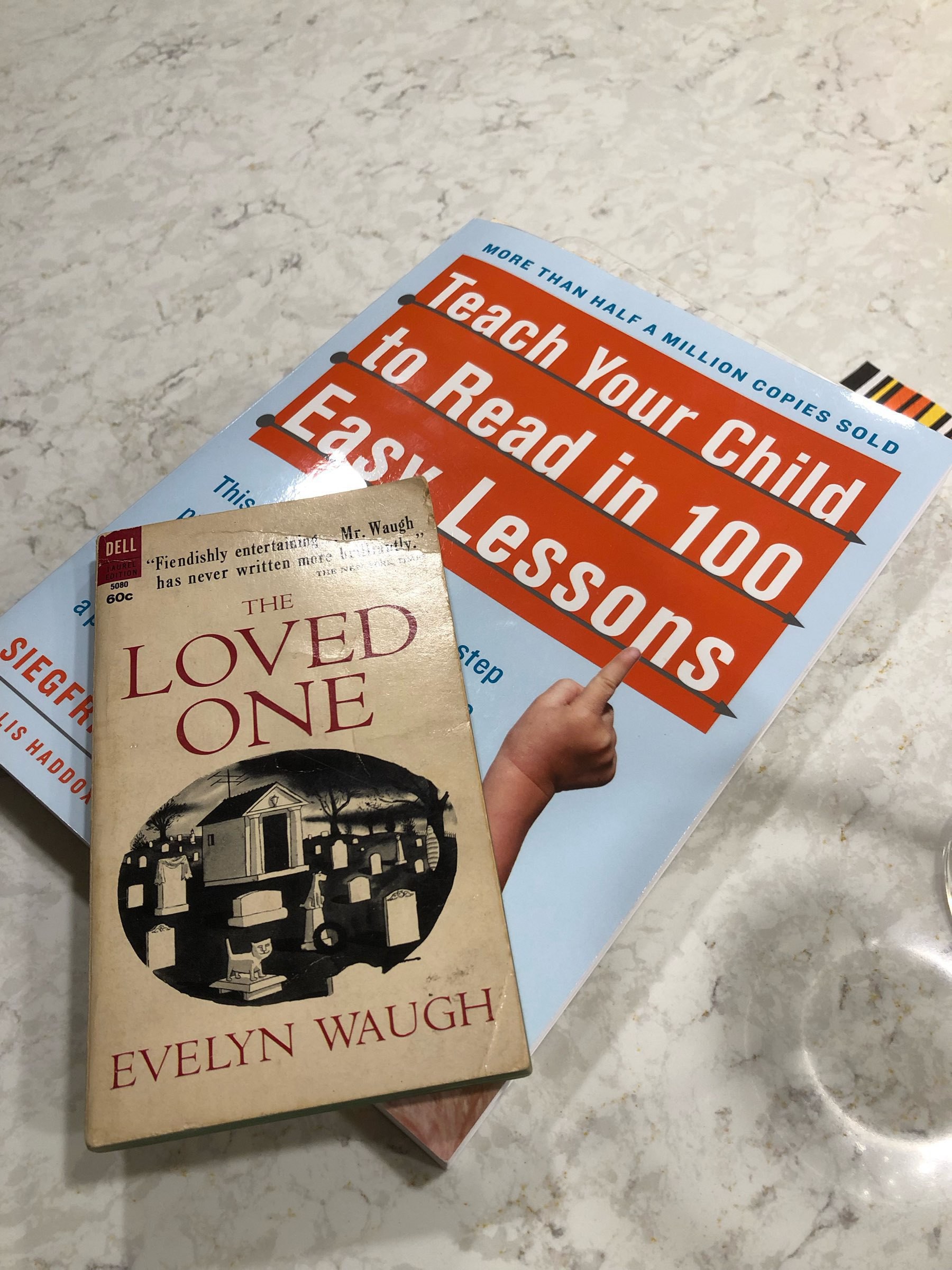
Current reading: Waugh & Engelmann 📚
Waugh’s satire of Hollywood doesn’t hold up particularly well; still, there are some funny scenes and critiques of American culture that still ring true. Waugh doesn’t always quite get American culture. Like Graham Greene, he knew enough to oppose & ironize, but not quite enough to pull off a successful, stinging satire.
I’m enjoying Teach Your Child to Read, mostly because my twin four-and-a-half year olds are also enjoying the lessons and proud of their progress. In another life I’d be a preschool or kindergarten teacher—I love this age, when language is exploding, memories are forming, and they’re starting to learn that their creativity can being humor or beauty or joy to the world.
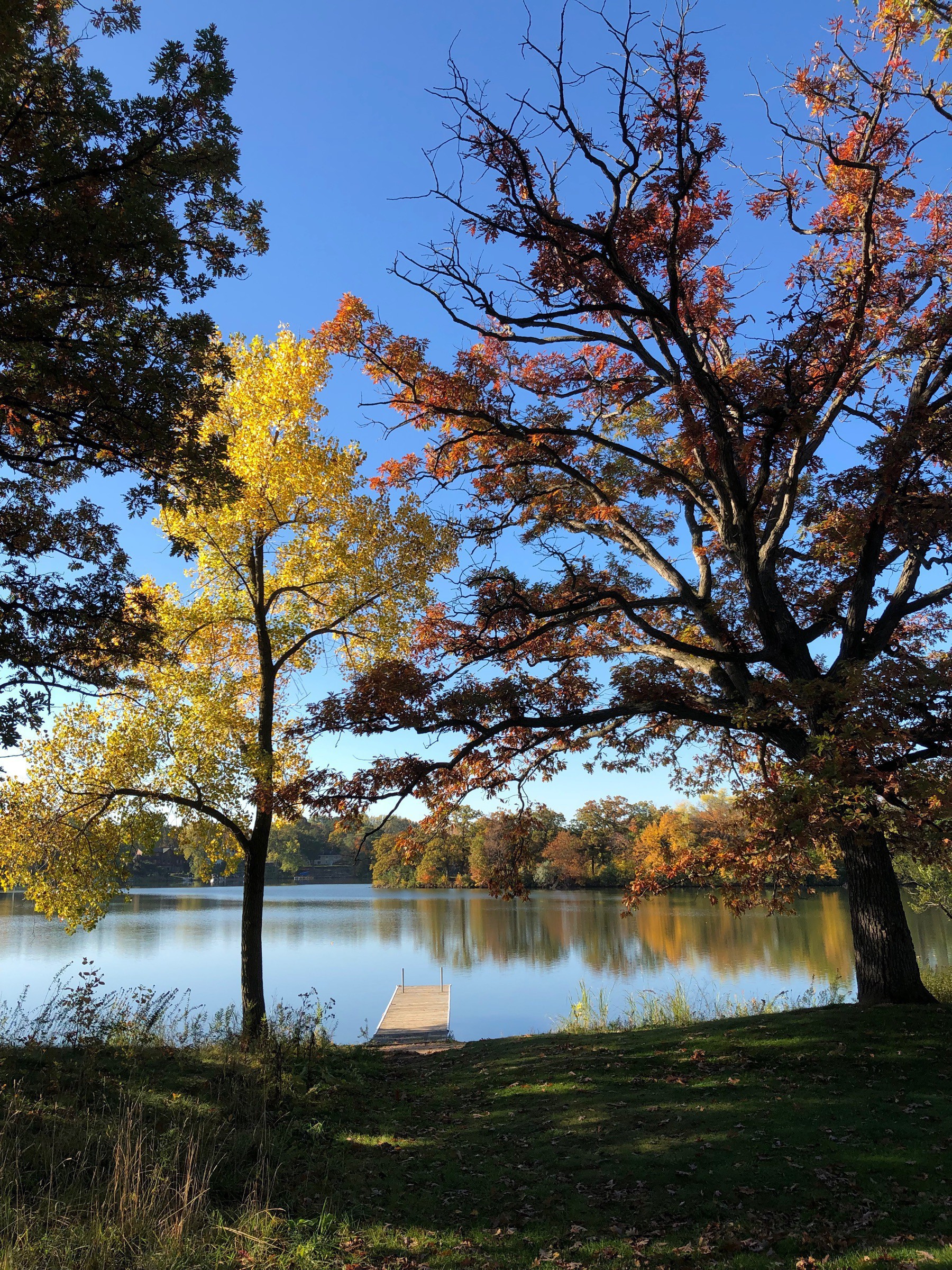
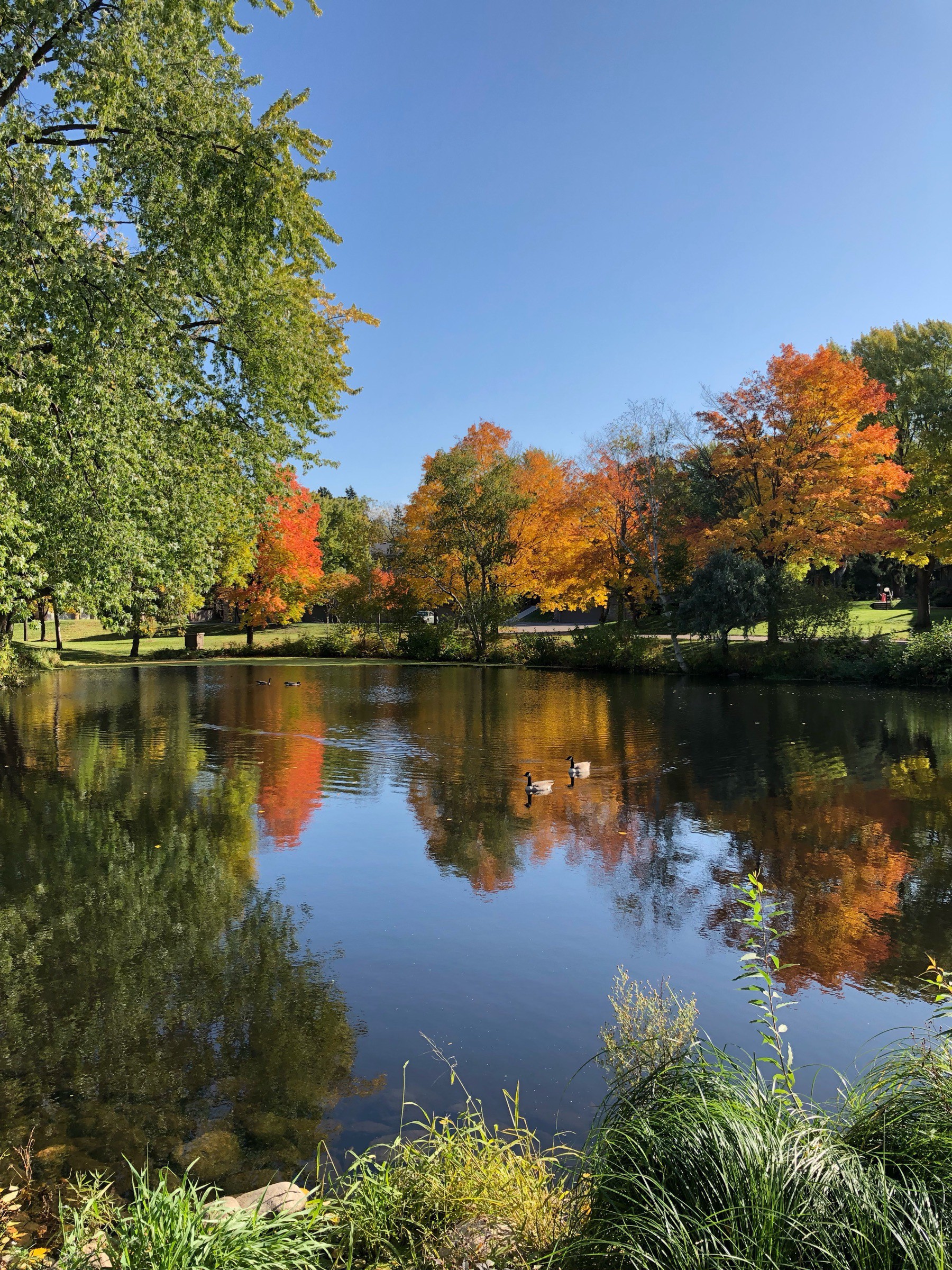
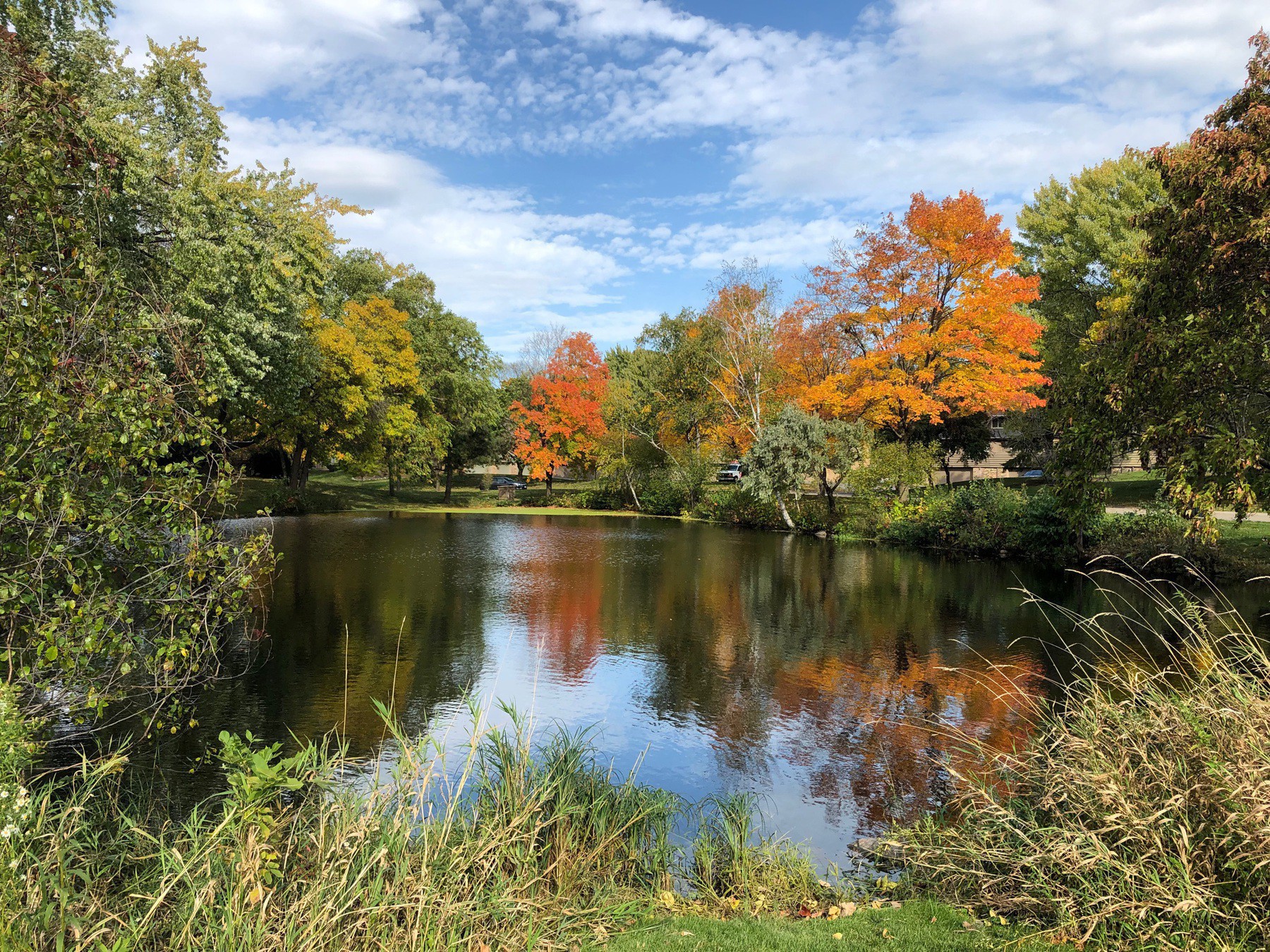
Fall at Silverwood
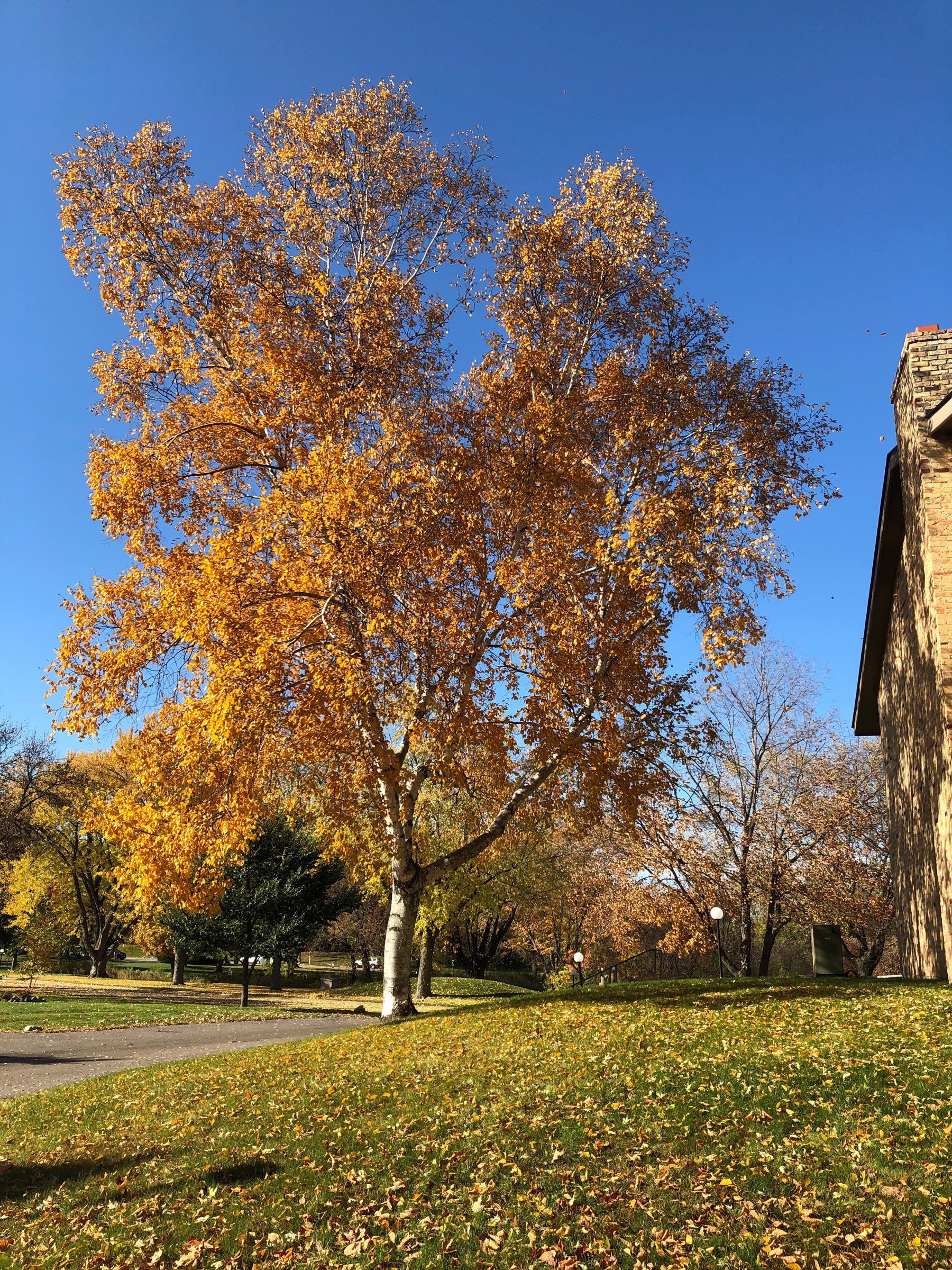
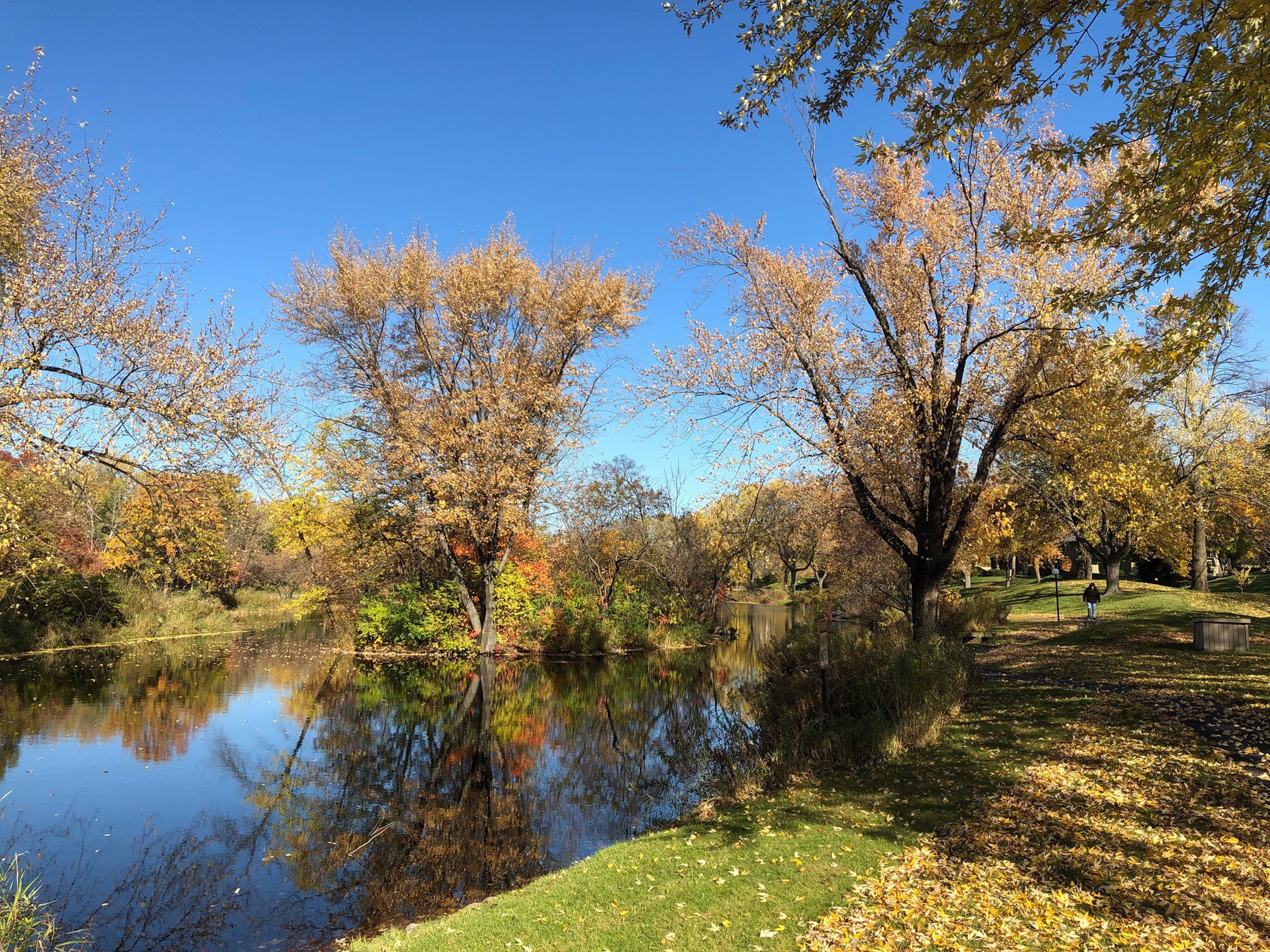
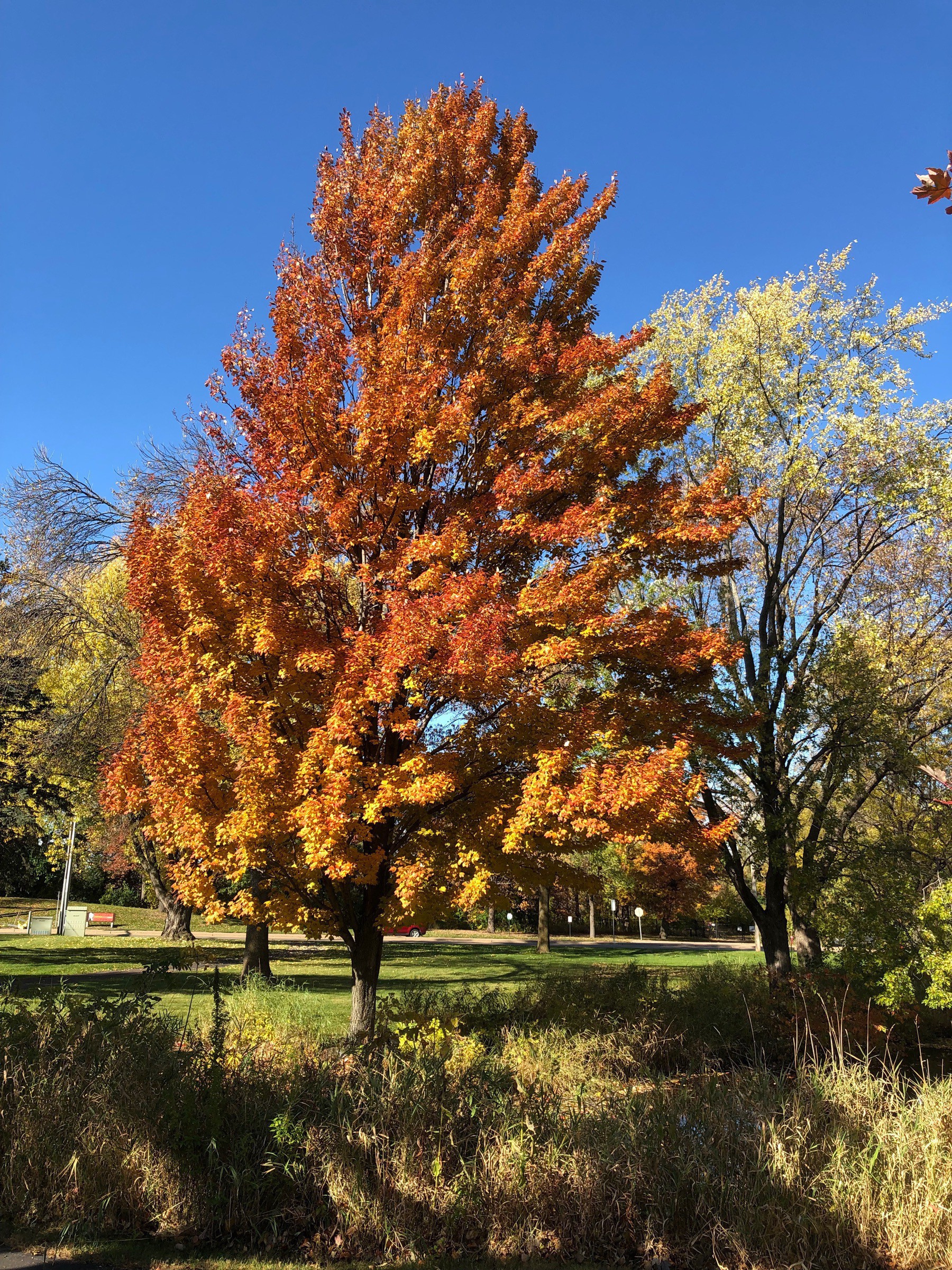
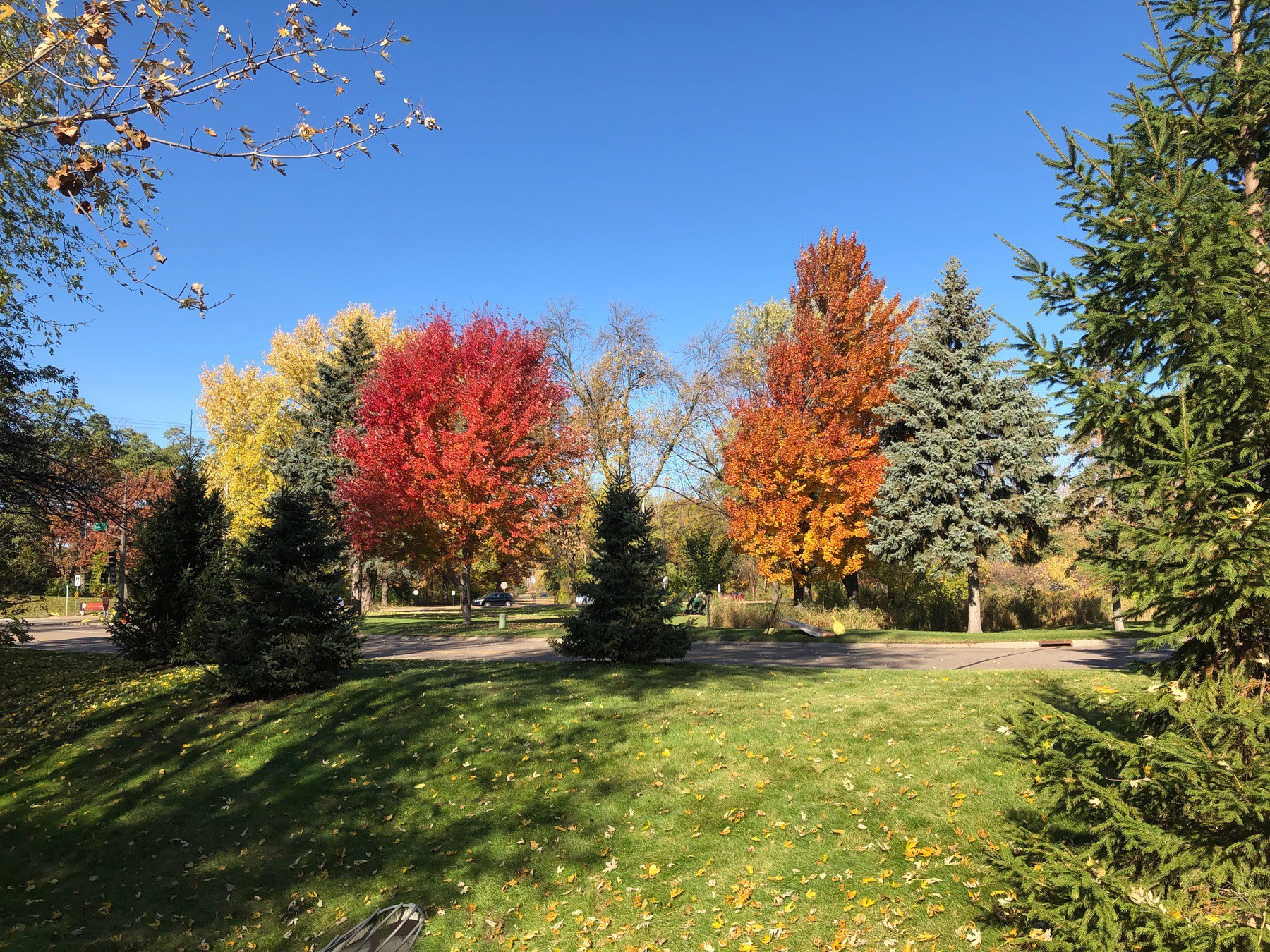
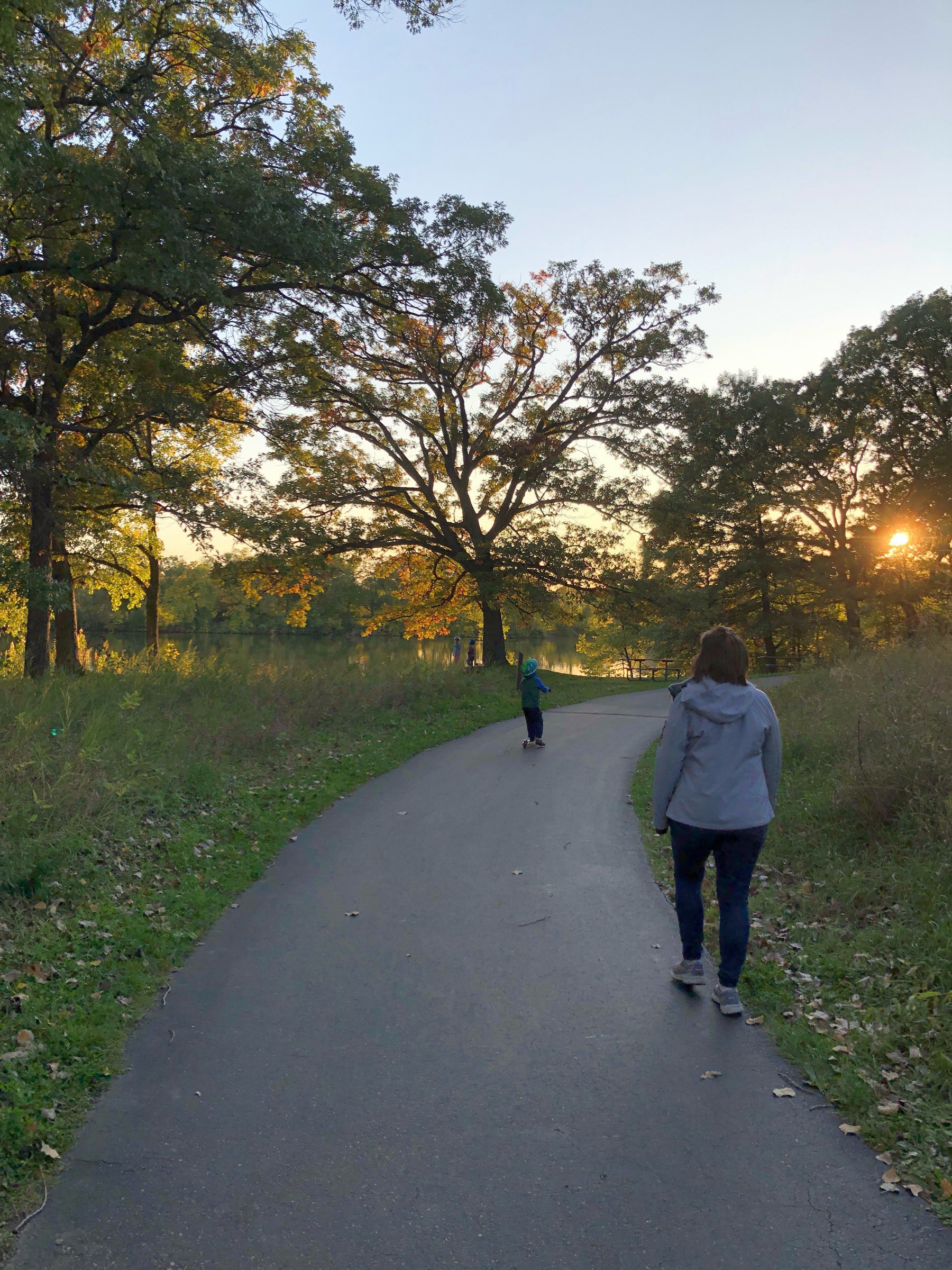
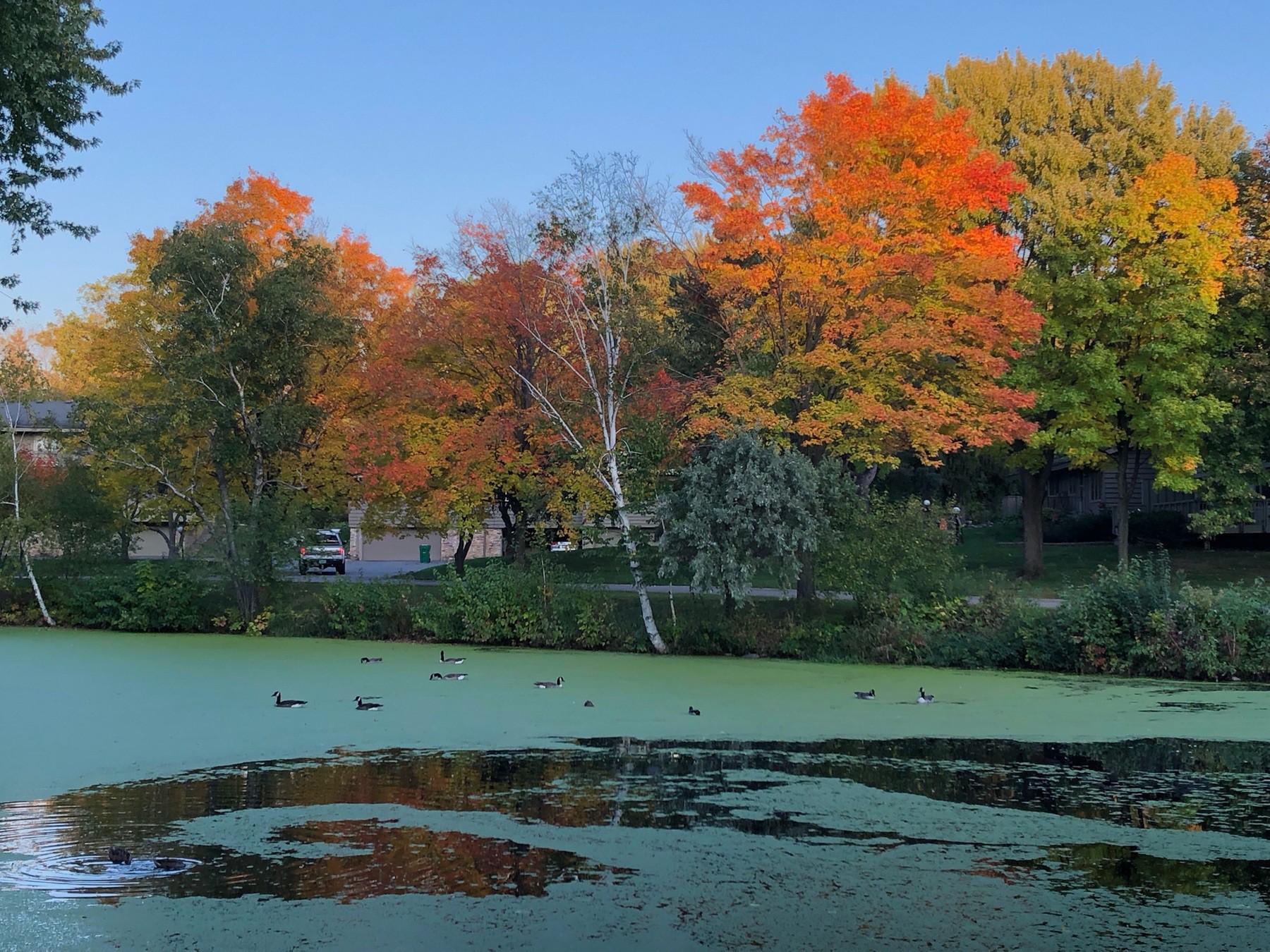
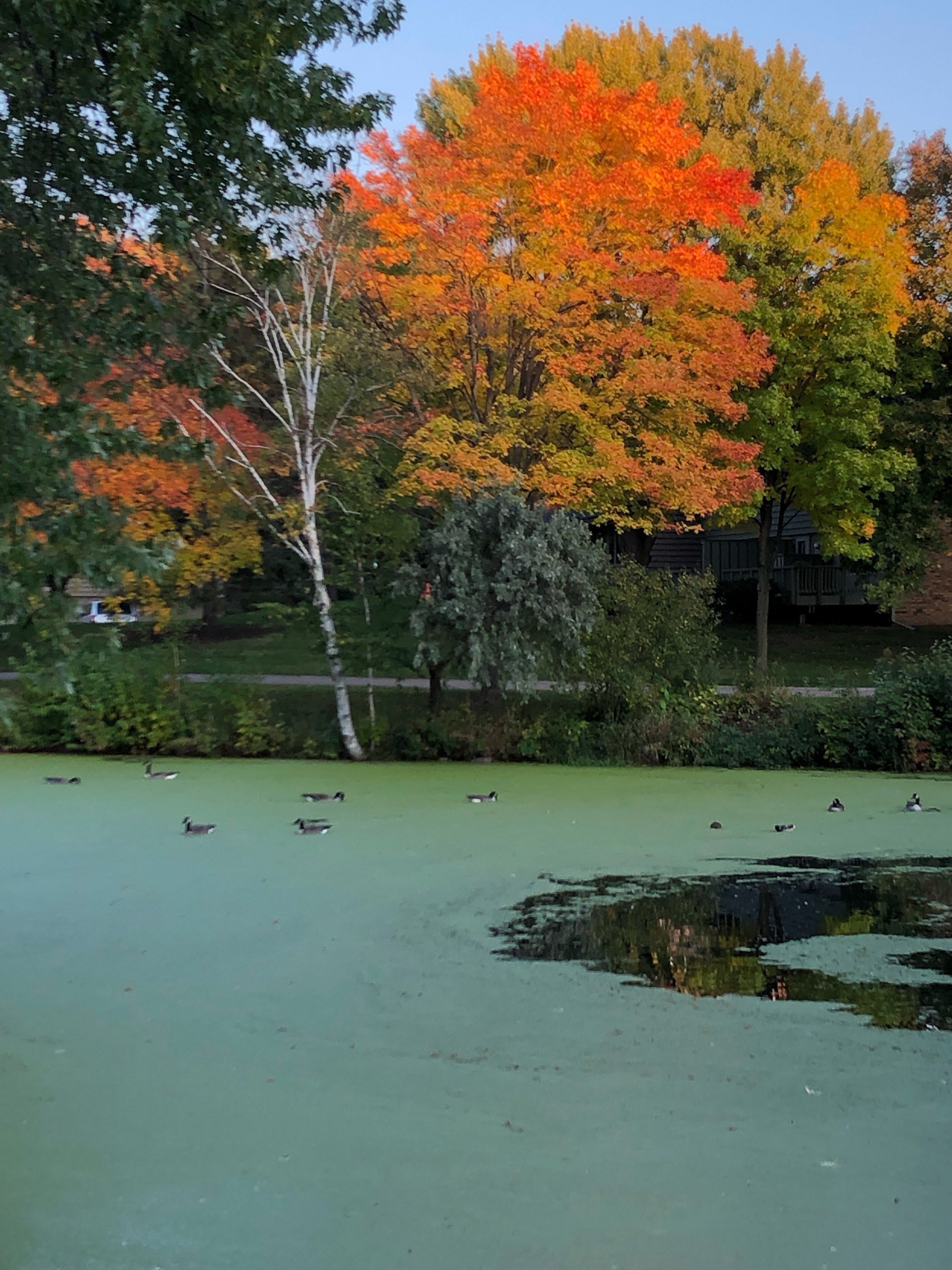
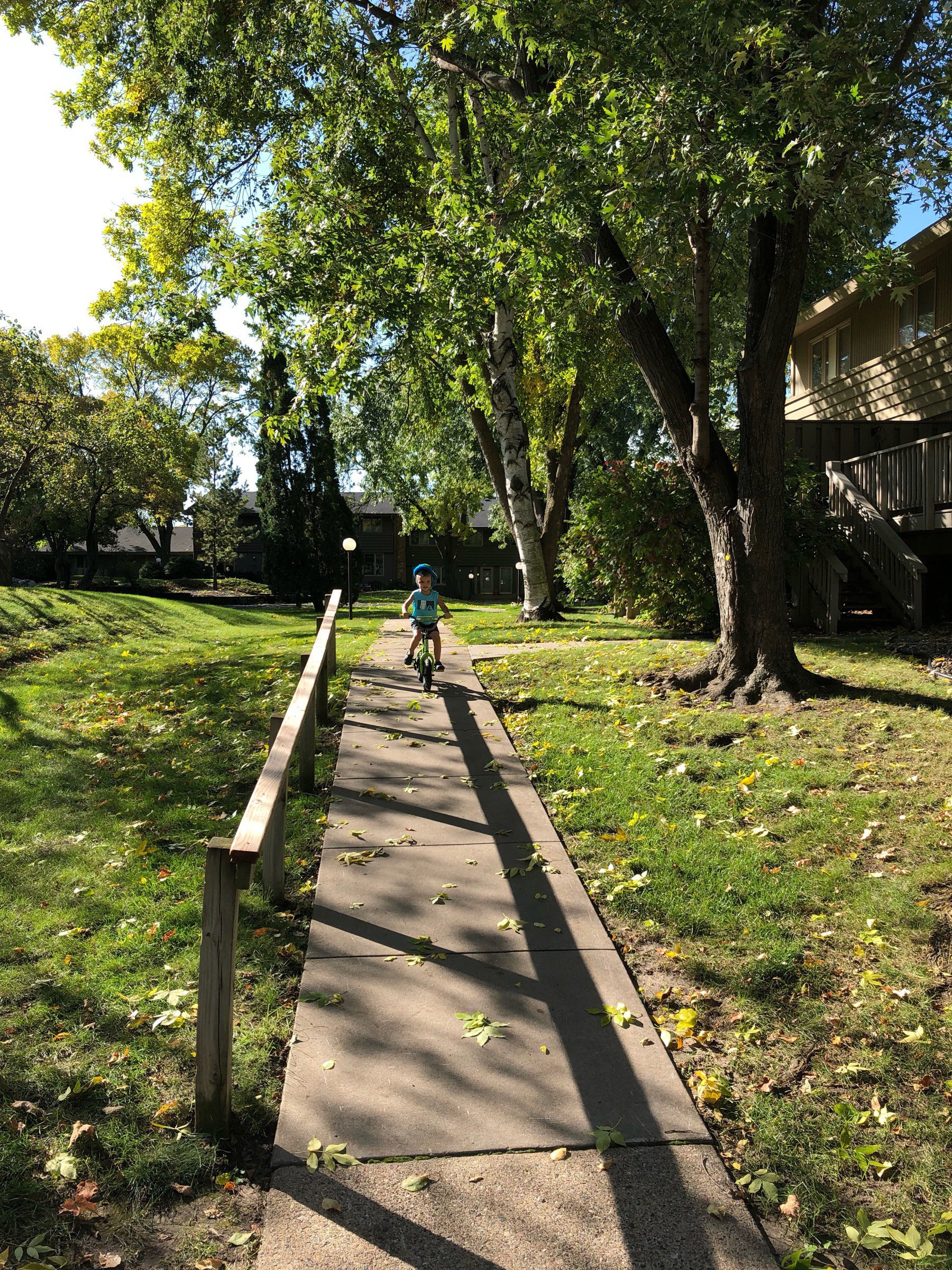
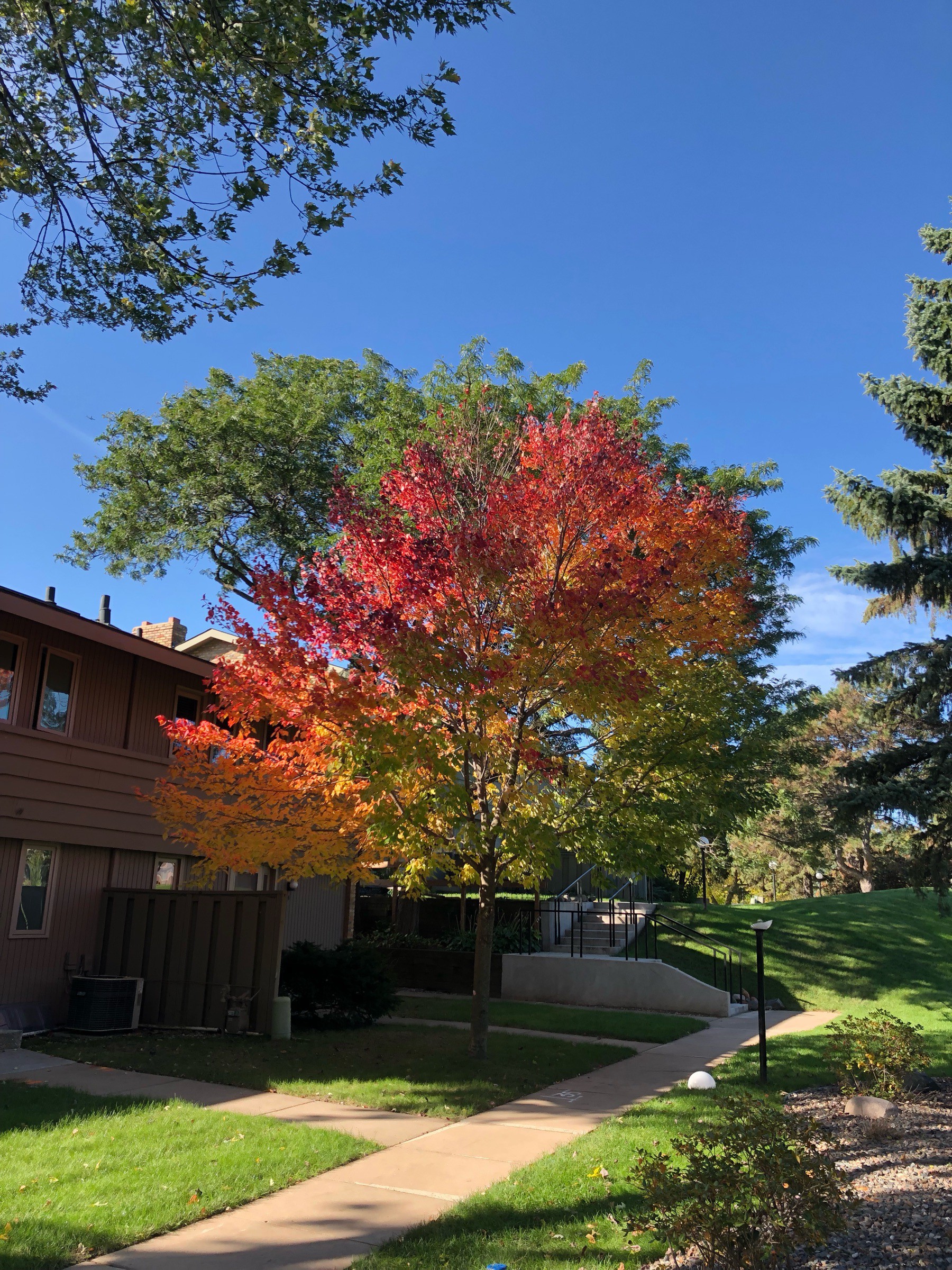
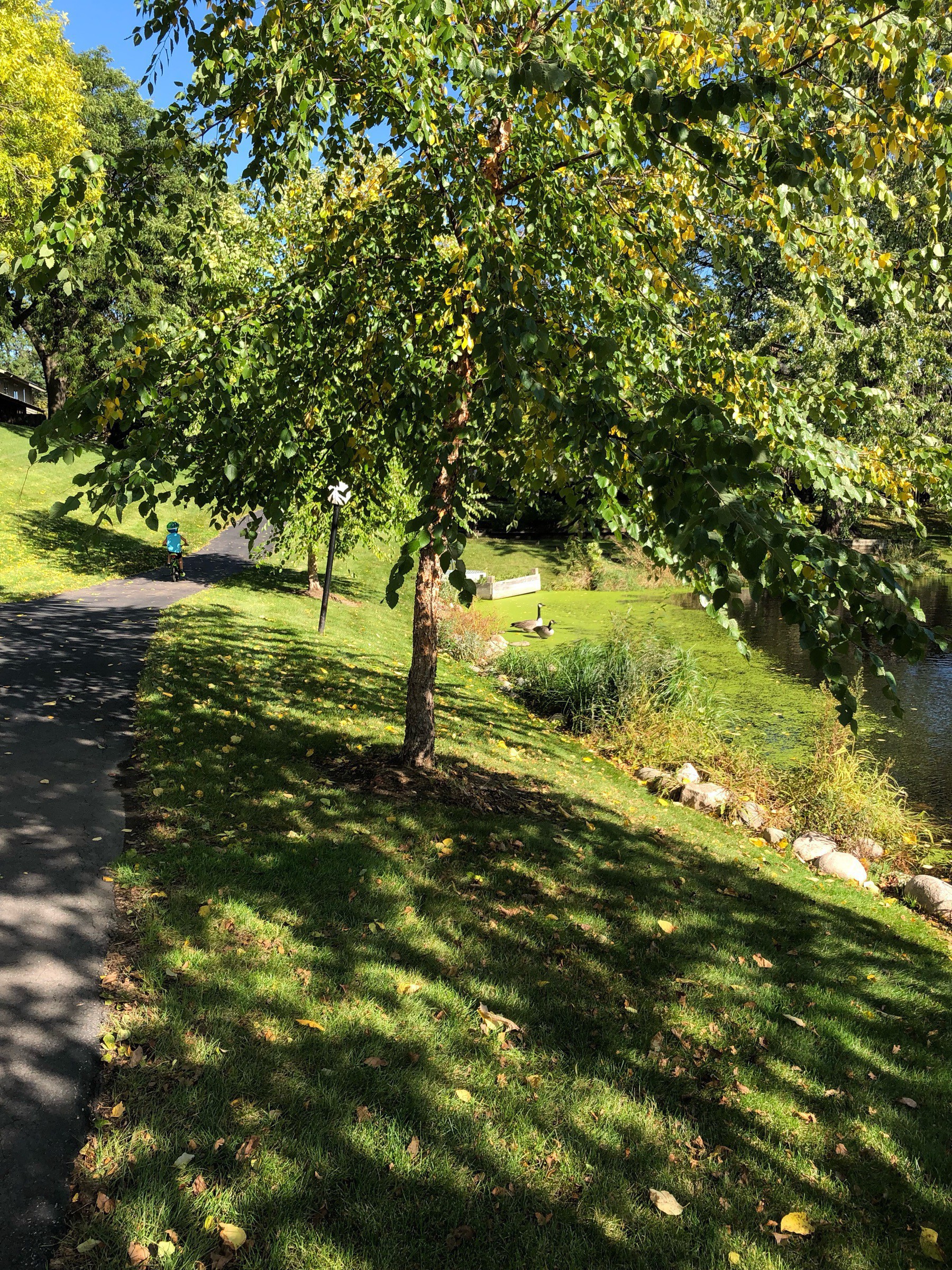
The trees at Silverwood Park are beautiful today. The photos don’t do them justice.
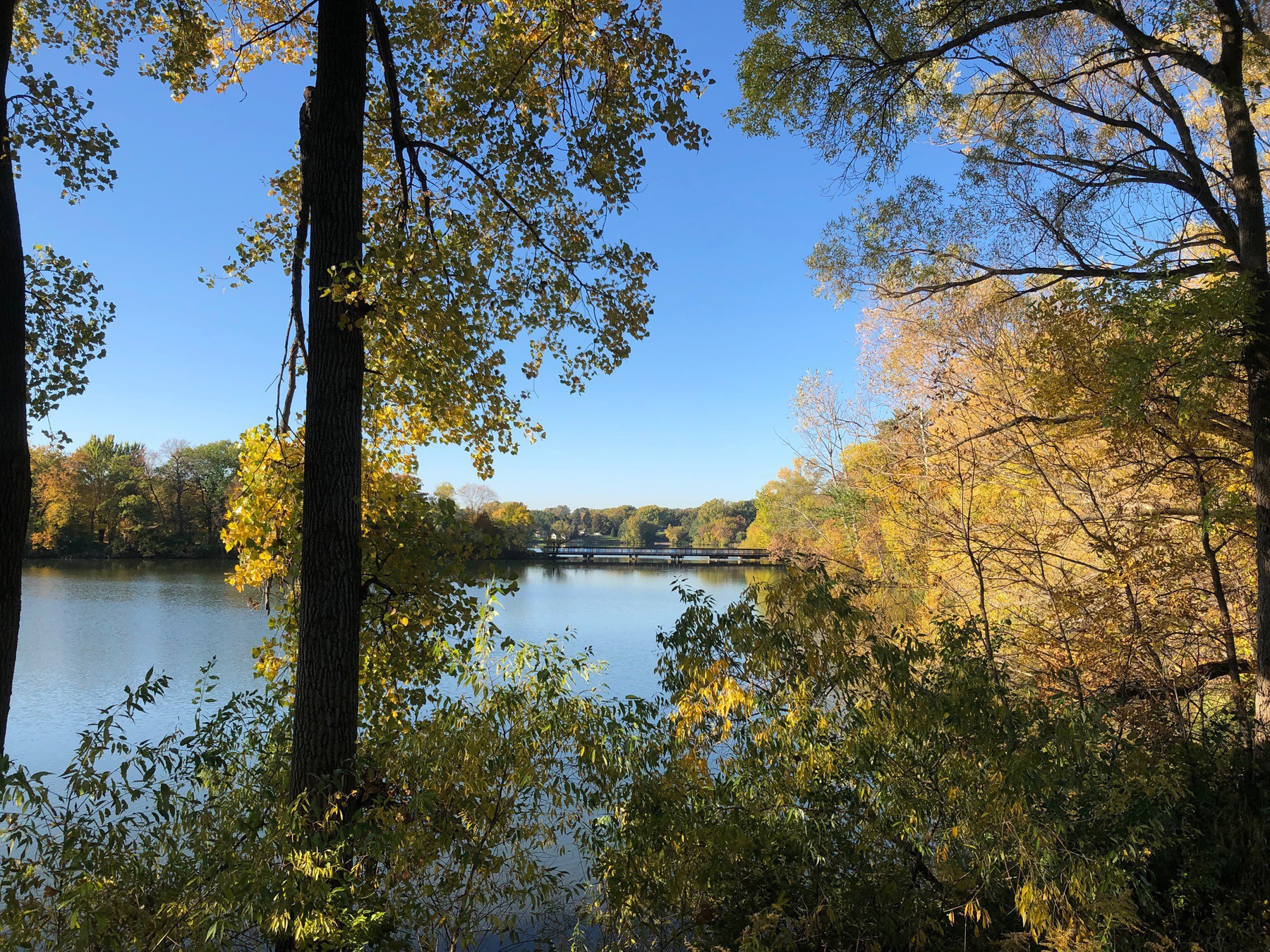
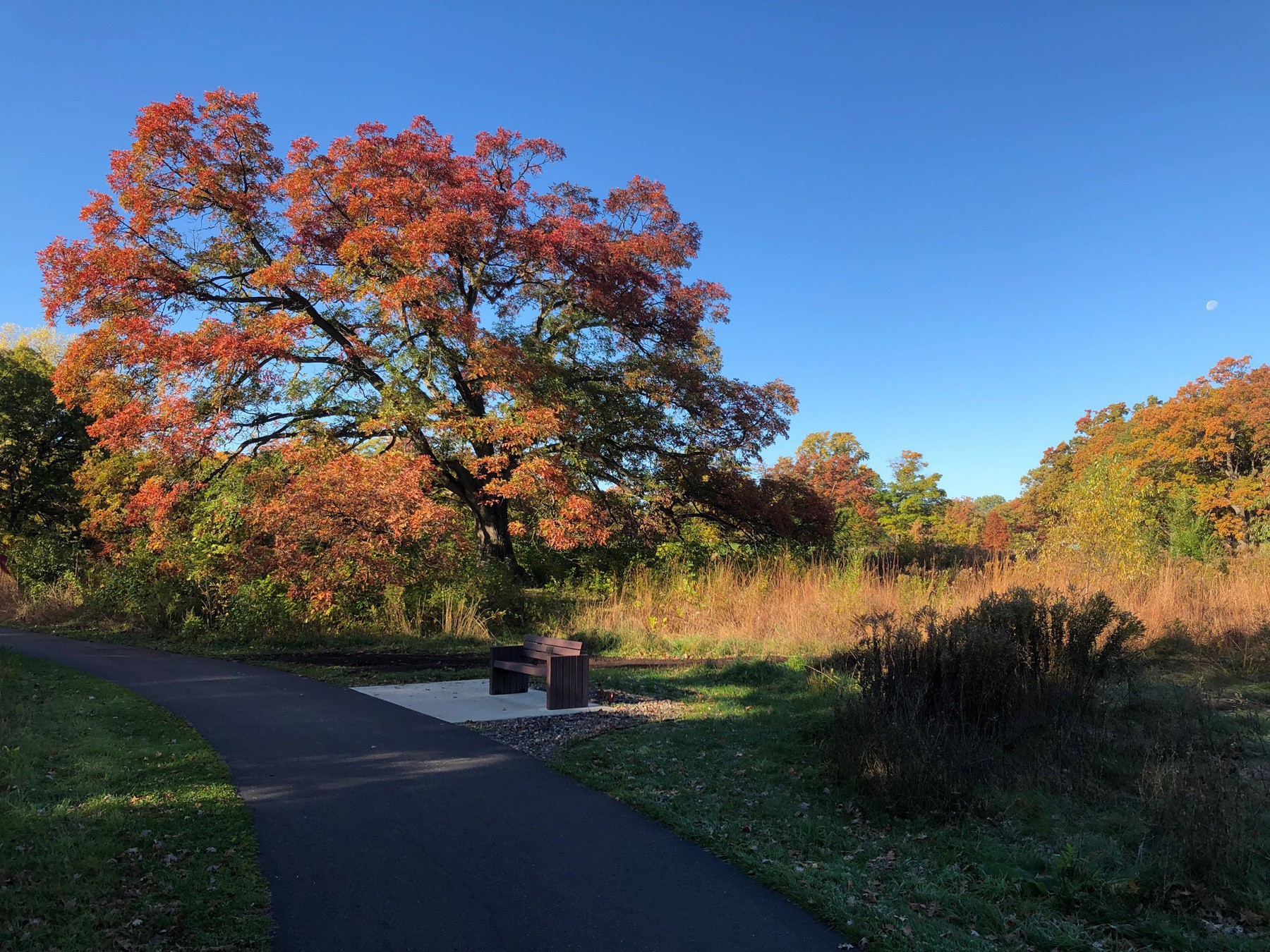
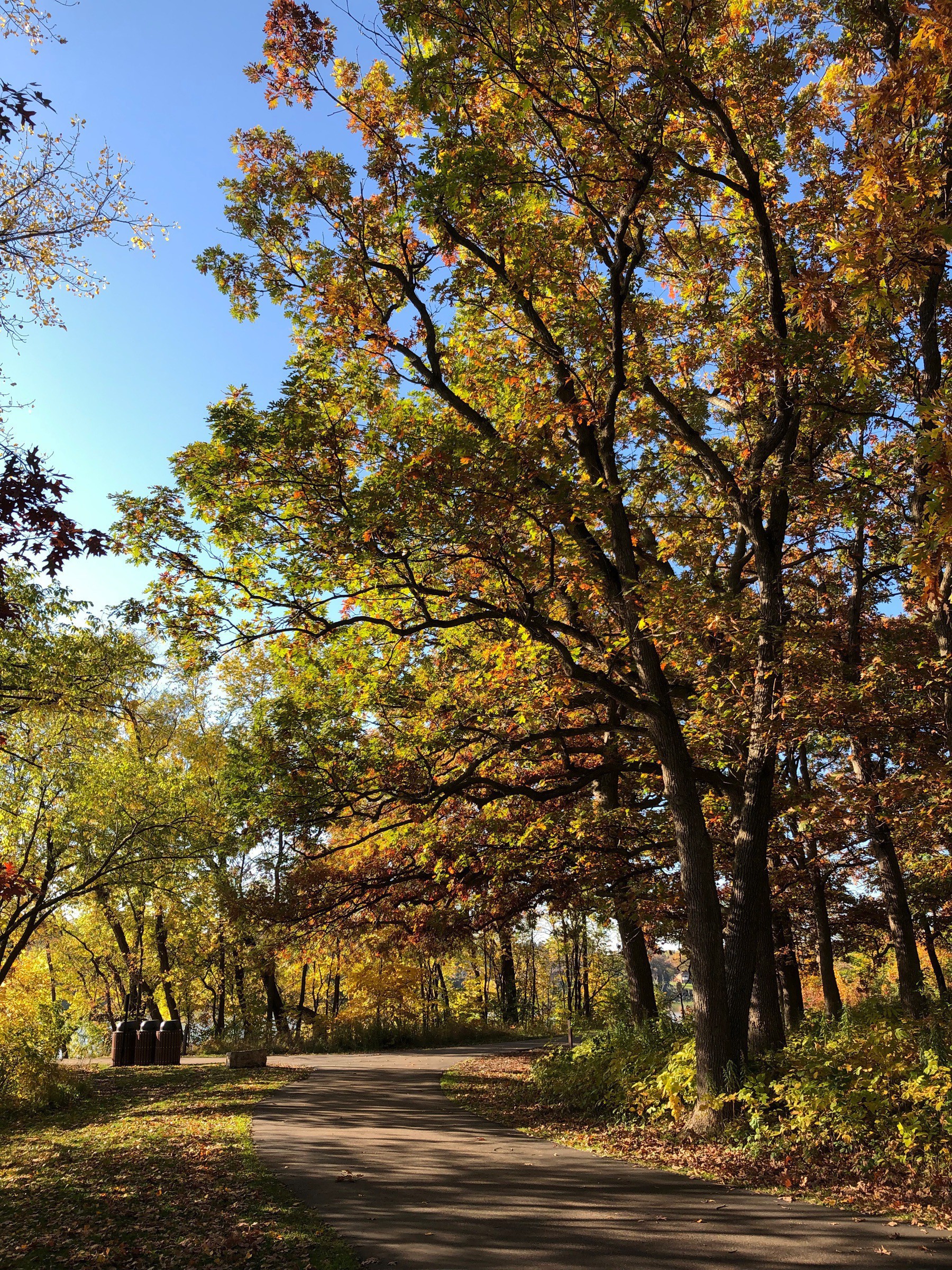

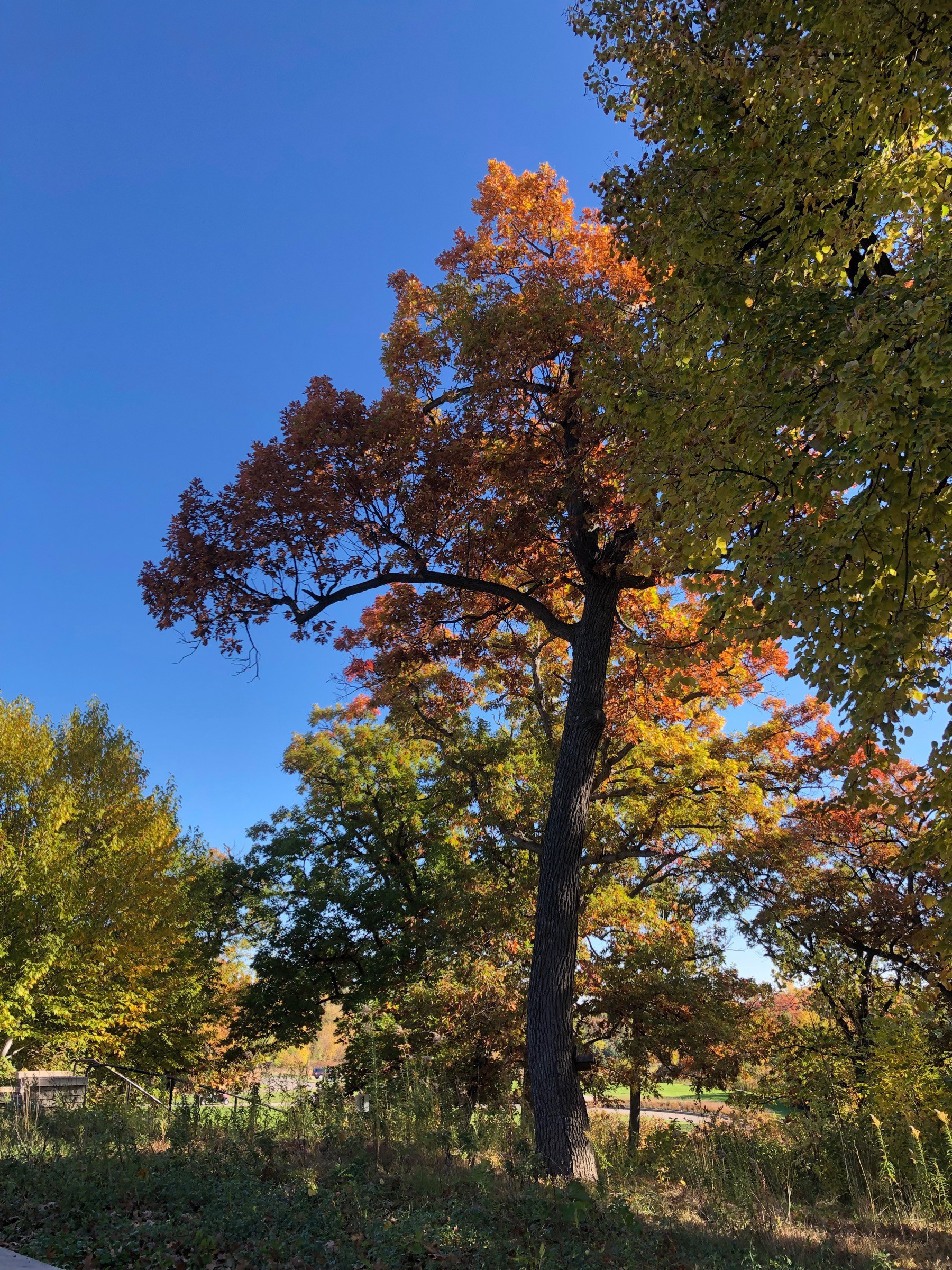
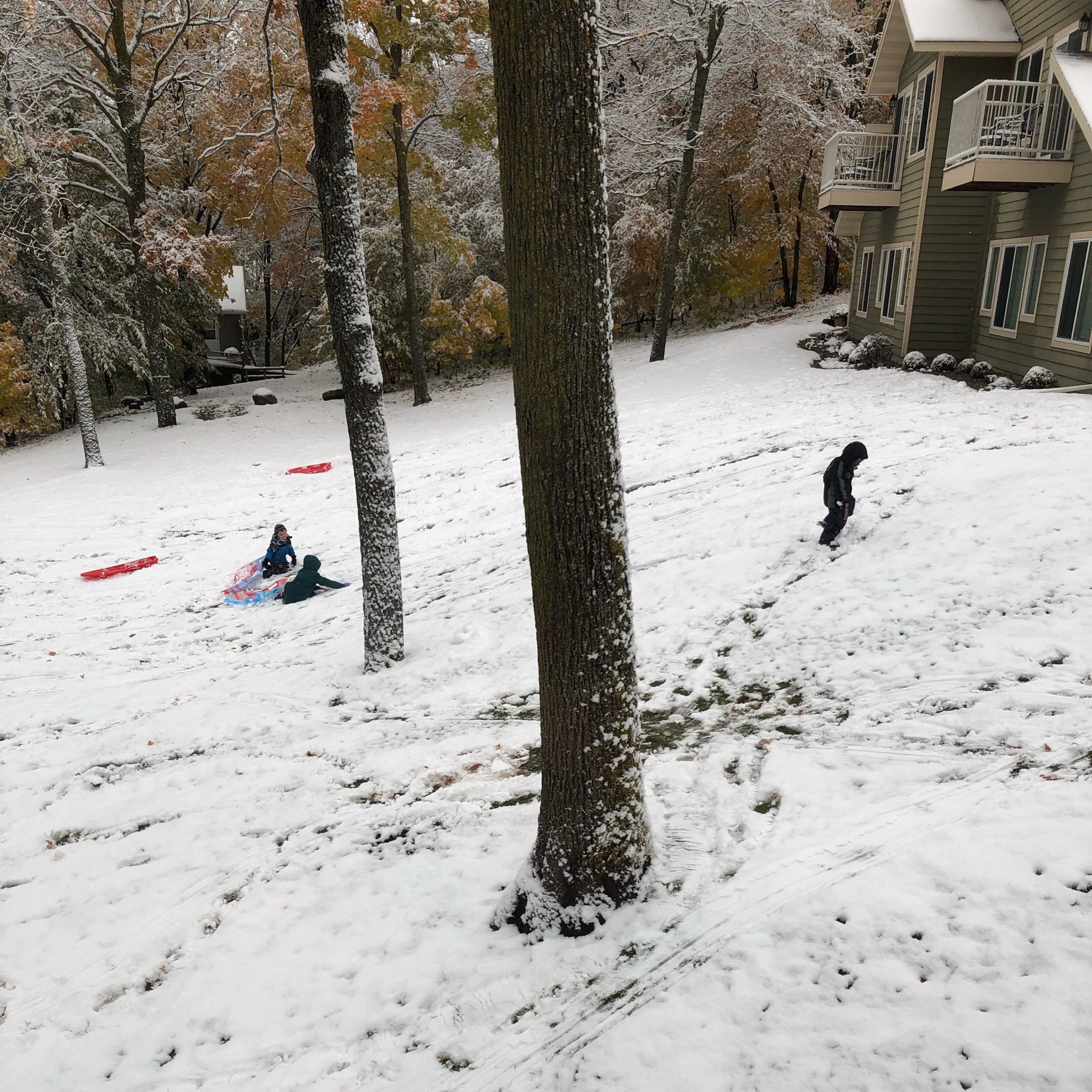
A fall week in Minnesota. 80° ➡️ 30°.
I’ve been intrigued by Derek Parfit’s photos of Venice and St. Petersburg since learning of his hobby in this New Yorker profile. Now it looks like a selection will be published as part of the aptly named exhibit Derek Parfit: The Photos. 🔗 📷

Autumn Leaf
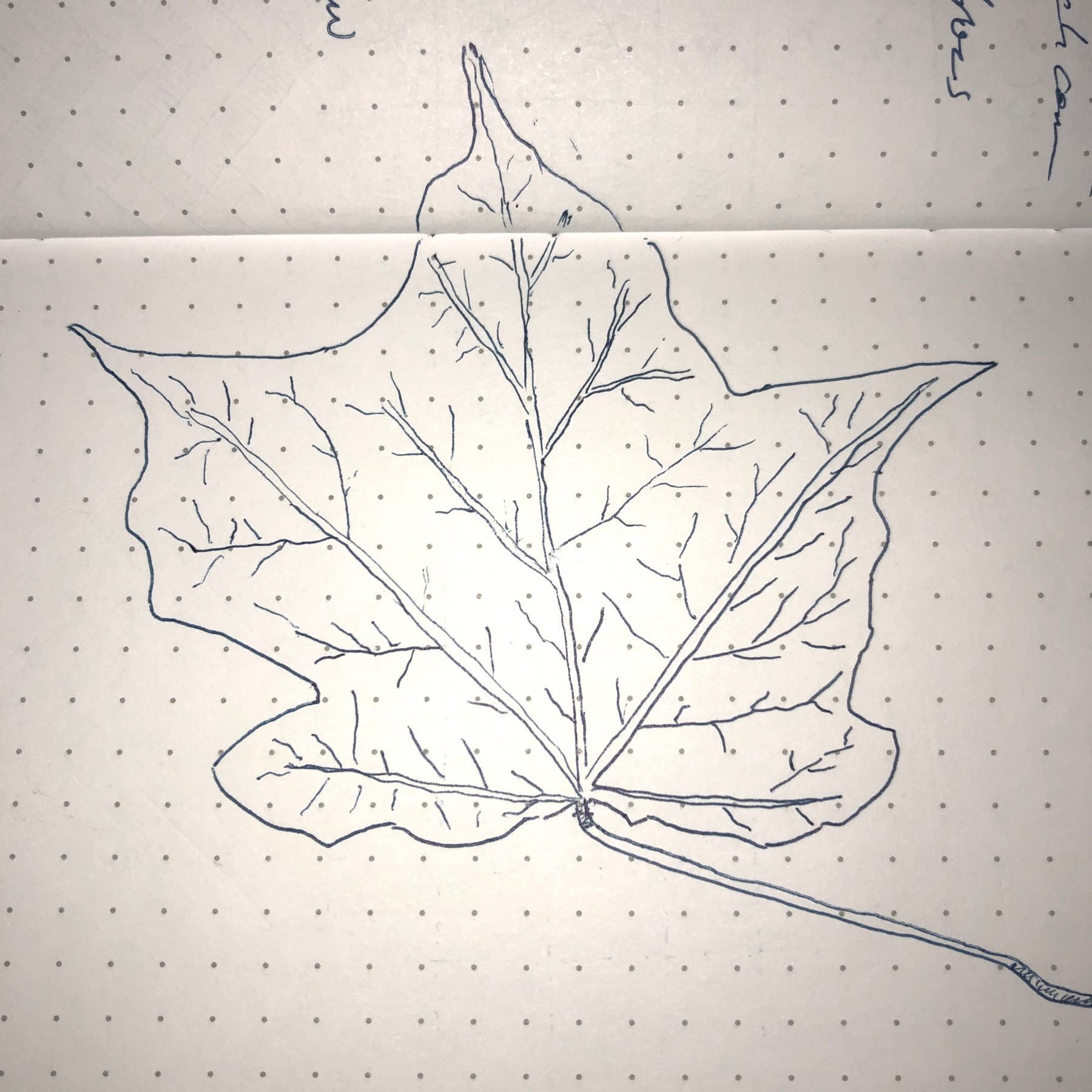
One of Ruskin’s early lessons in The Elements of Drawing is to draw a leaf, as carefully and accurately as possible. Here’s my lunch-hour effort. 📚 🎨
English is Not Normal 🔗
When saying ‘eeny, meeny, miny, moe’, have you ever felt like you were kind of counting? Well, you are – in Celtic numbers, chewed up over time but recognisably descended from the ones rural Britishers used when counting animals and playing games. ‘Hickory, dickory, dock’ – what in the world do those words mean? Well, here’s a clue: hovera, dovera, dick were eight, nine and ten in that same Celtic counting list.
One of many fascinating details about English in John McWhorter’s essay “English is Not Normal”.
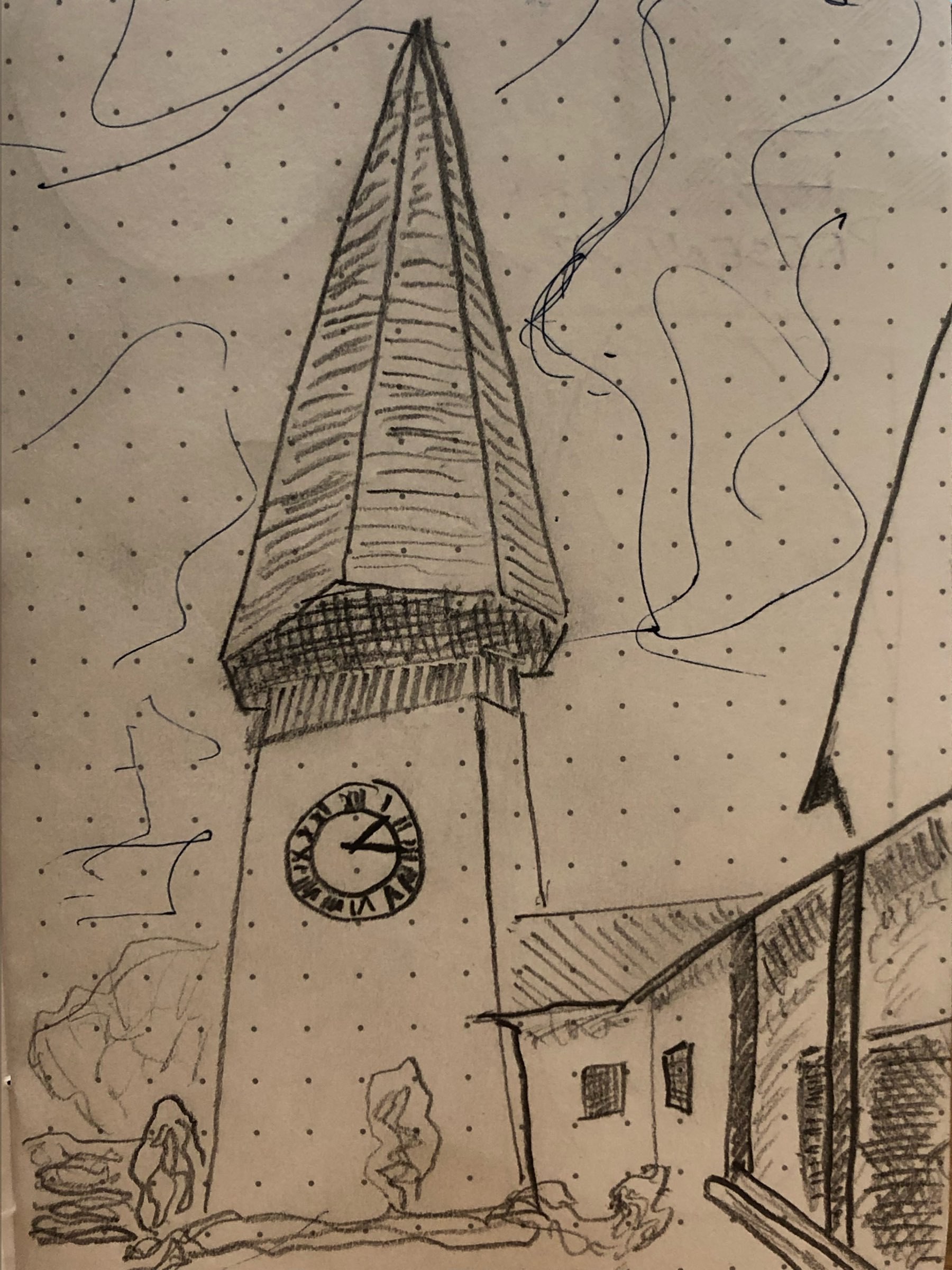
I hadn’t heard of Inktober till it was mentioned in the Micro.blog community. But I recently decided to work on my drawing skills, and this seems a great time to do it. #GrowthMindset
So incredibly proud of my brother Andrew Kaul for launching a new design studio, Buddy-Buddy.
He and his friend and colleague Ross Bruggink are incredibly hard-working, talented, and—above all—wonderful people. Best wishes, you two, for many successful years!
Recently attempted, & abandoned 📚:
- David Graeber, Bullshit Jobs: A Theory (should’ve stayed an article)
- Sarah Bakewell, At the Existentialist Café: Freedom, Being, & Apricot Cocktails (I love Bakewell’s book on Montaigne—but I just don’t care about the existentialists)
Current reading 📚:
- David Bentley Hart, That All Shall Be Saved: Heaven, Hell, and Universal Salvation
- P. G. Wodehouse, Right Ho, Jeeves
- Kim Stanley Robinson, Aurora
These two pieces complement each other quite nicely:
First, in FiveThirtyEight: “The Christian Right Is Helping Drive Liberals Away From Religion”
Second, in Politico: “‘Someone’s Gotta Tell the Freakin’ Truth’: Jerry Falwell’s Aides Break Their Silence” 🔗
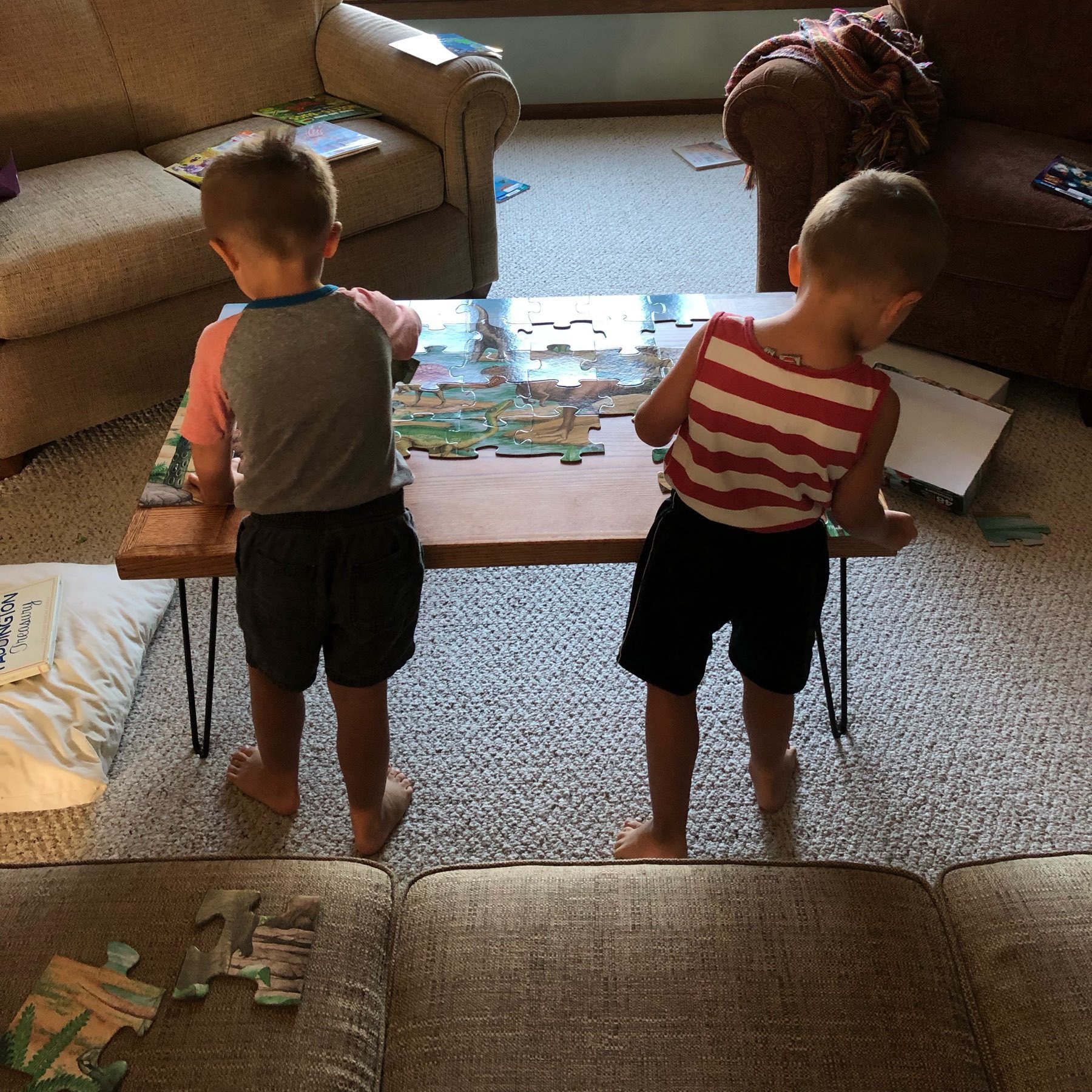
Morning dinosaur-puzzle time. 📷
A day when one’s surroundings reflect one’s heart: dreary & a bit deflated.