If you use Apple Music and you like top jazz, give my ¡¡¡ Top Jazz !!! playlist a listen. (Shuffle mode recommended.)
With 690 tracks of great jazz music, there are few better ways to spend the next 72 hours. 🎶
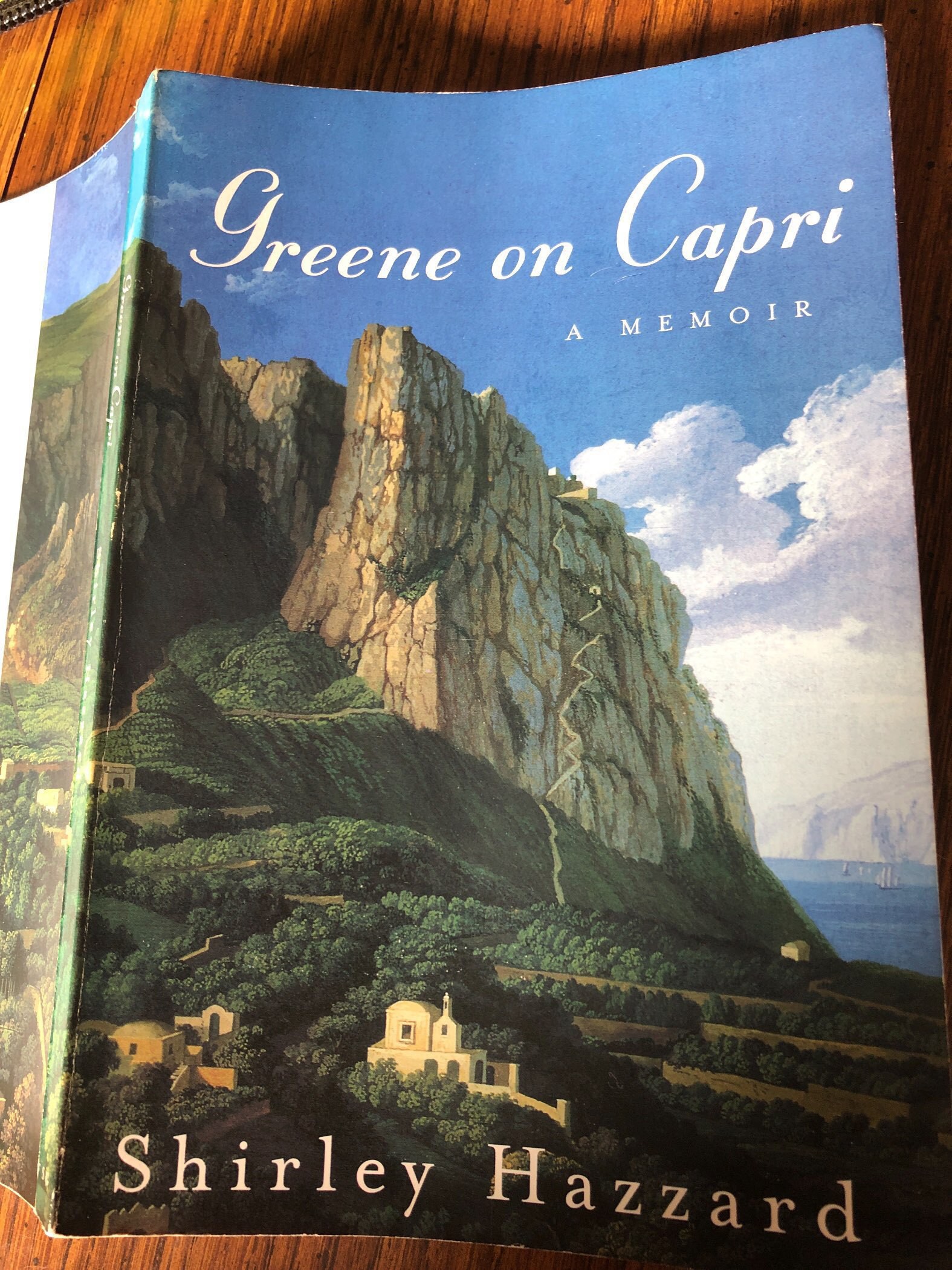
Shirley Hazzard's *Greene on Capri: A Memoir* 📚
Shirley Hazzard’s Greene on Capri recounts the relationship that Hazzard and her husband, the Flaubert scholar and translator Francis Steegmuller, had with Graham Greene over two decades, from the late 60s to the late 80s. Their friendship started when, in a Capri cafe, Hazzard overhead Greene struggling to remember a line from a minor Robert Browning poem. Hazzard, who seems to have most of the English literary canon memorized, walked up to him, reminded him of the line, and walked away. Greene, intrigued, struck up a conversation at their next encounter, and the friendship was born.
Hazzard’s book is wonderful for several reasons. Chief among them is the fact that it’s as much a portrait of Capri as of an aging, cantankerous Graham Greene: for such a small island, its history is remarkable. (Henry James called it “beautiful, horrible, and haunted.")
Another of the book’s delights is the wide range of minor characters that flicker in and out of its pages, among them Hazzard’s learned husband Francis Steegmuller, the vibrant Harold Acton, Norman Douglas, Edwin Cerio, Giorgio Weber, and the Russian ballet dancer and choreographer Léonide Massine.
Hazzard’s own wit and rich knowledge of literature are evident throughout. Her sentences are typically simple, and can quickly shift to stunning:
Thinking of those times of transition [throughout Capri’s history]—and of their violations, contested in vain and now institutionalized and extended—a lover of Capri must gratefully wonder that beauty continues to prevail there—not as touristic prettiness, but in the grand and ultimate indifference of Nature to the antics of humankind. In a future age, perhaps, even today’s silliness may slide away, as have the courts of emperors, and the incursions of centuried invaders.
Erudite, literary memoirs are one of my favorite genres, and this book is perhaps my favorite of them all.
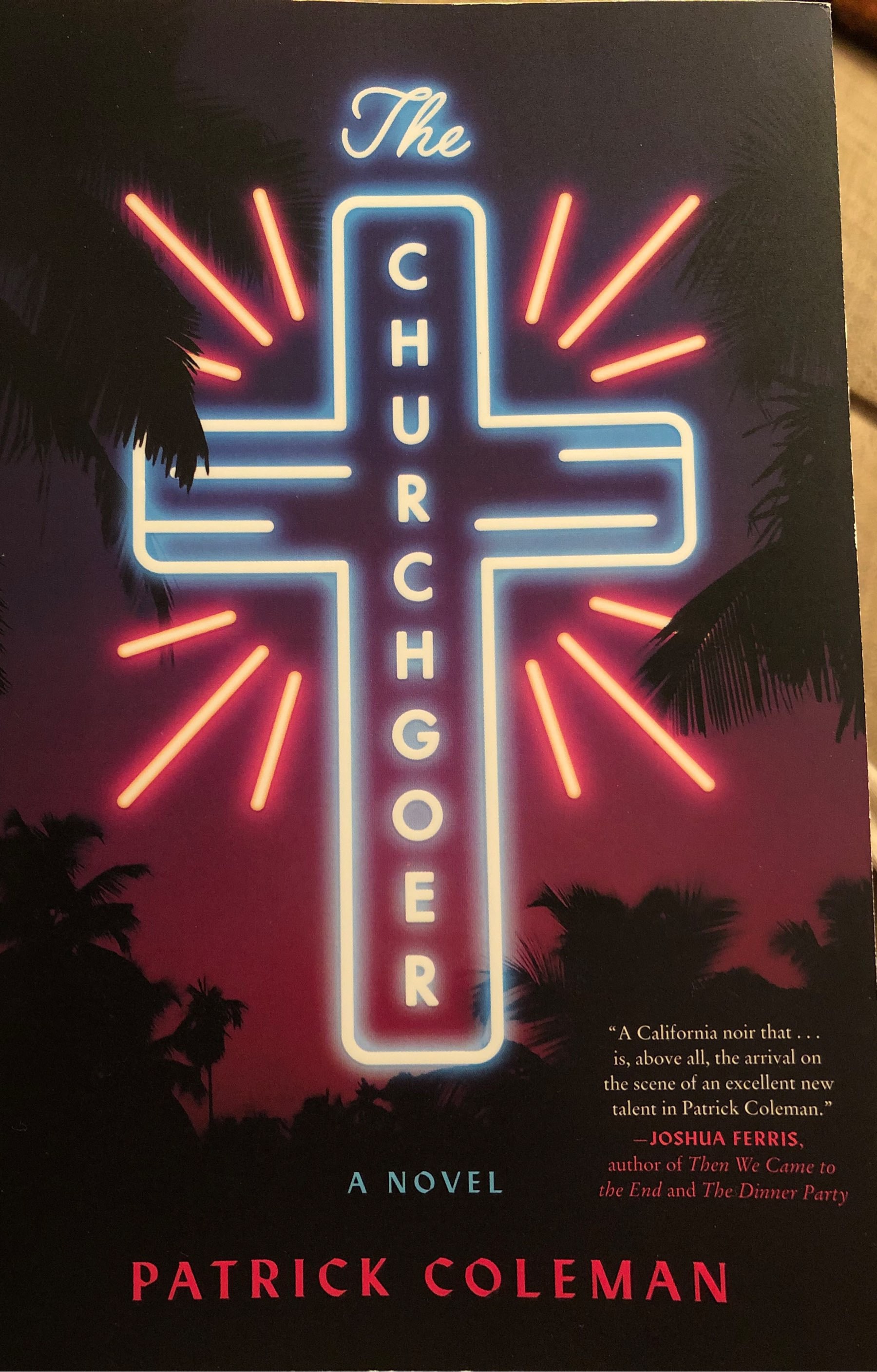
San Diego atheist noir: On Patrick Coleman’s *The Churchgoer* 📚
The Churchgoer
I stayed up late to finish The Churchgoer, a new novel written by Patrick Coleman. It’s San Diego noir about mega-churches, faith and doubt, and about learning to accept love from others, despite unshakeable belief that you don’t want or deserve it.
It’s so good. The voice is brilliant from start to finish. The narrator and central character is a former youth pastor turned atheist. His theological training gives him exegetical and etymological habits that won’t die, though his faith has; they’re a source of brilliant and fresh metaphor.
The narrator, Mark Haines, skewers American mega-church evangelicalism for being parasitical on the latest trends in pop culture, no matter how little those trends have to do with Christianity. He scorns the superficial sense of “mystery,” invoked in ways that are “about as humbling as the Grand Canyon printed on a poster about hard work.” For those who have spent any time within American evangelicalism, critiques like these may ring true. Others simply reveal the limits of Haines’s own religious experience and education. He’s far from perfect, but he’s decent enough—and endearingly full of wild ideas about God, Scripture, and the church.
By the end of the novel, Haines’s self-righteous anger at his former church and life has grown wearying—but he’s grown weary of it himself, and shows signs of recognizing that the deep and real flaws of that world don’t give him an excuse for a life of resentful bitterness. Haines’s past is filled with deep pain and sorrow. But by the novel’s end, he’s surprised to find some reasons for hope.
I loved this book, and it makes me want to revisit Christopher Beha’s What Happened to Sophie Wilder, which shares some themes and which I also loved. Perhaps I’ll write more about the two books once I do so. In the meantime, I highly recommend The Churchgoer to you.
I made an Apple Music playlist of Hans Castorp’s favorite music in the “Fullness of Harmony” chapter of The Magic Mountain. (Full disclosure: there’s lots of opera.)
Amazing that it’s so easy to enjoy the same music that a fictional character listened to 110 years ago! 📚 🎶
An Anglo-Catholic literary tradition
This piece by Tara Isabella Button, In Brooklyn, ‘tradpunk’ Christianity meets millennial counterculture, speaks to some of what resonates with me in Anglicanism.
Her literary lineage of Anglo-Catholics is a bit heavy on the twentieth century, though. I’d keep them all, but add Robert Browning, the Rosettis and William Morris, Hopkins, the Brontes, Bram Stoker, and Ruskin. Not all Anglicans, or Catholics, or even necessarily Christians, but all part of that same religious critique of modernity. And I’d probably add Proust in there for good measure.
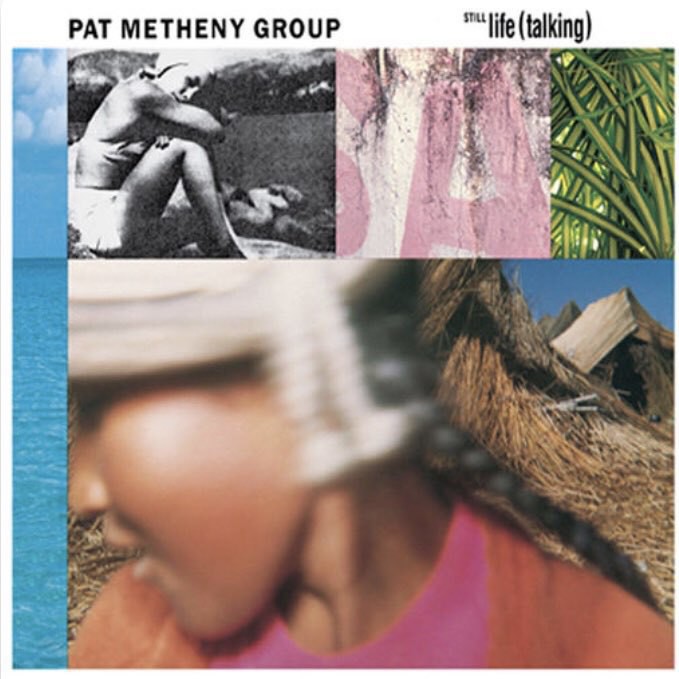
Today’s listening: on a recommendation from my father, Pat Methany’s Still Life (Talking), a Latin-jazz-fusion album. Like a lot of Methany’s music, it’s strange, beautiful, a bit surreal, heavily produced. 🎶
Oxford’s Schwarzman centre for the humanities
I’m excited about the new Schwarzman centre for the humanities at Oxford, which will provide a hub for the humanties departments and also a research center for the ethics of AI. It’s great to see major gifts earmarked especially for the humanities.
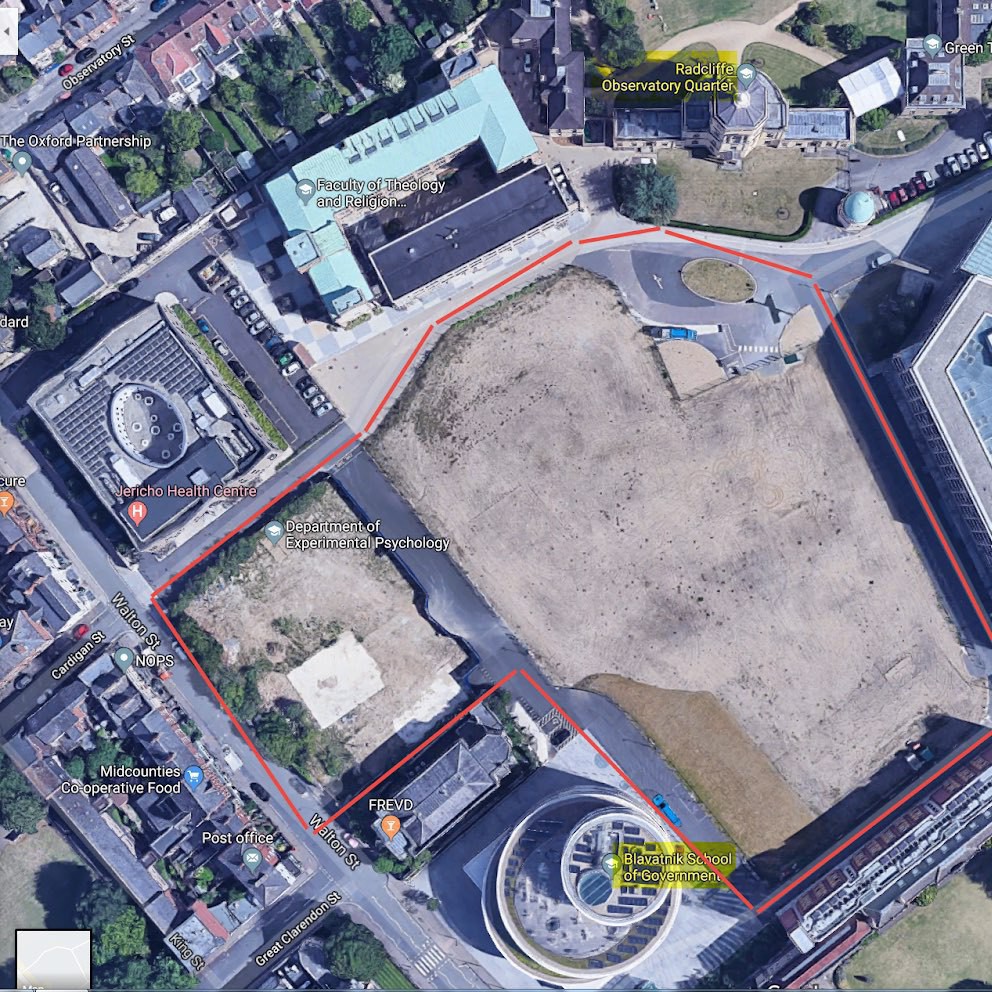
Oxford has yet to identify architects to design the 23,000 square metre centre, which it intends to complete by 2024, but the university has earmarked land near the Blavatnik school of government and the Radcliffe observatory in the city centre.
Yeah, they’ve definitely earmarked some land… it looks like it’s been waiting for this announcement for quite some time.
I really like Ezra Klein’s podcast about half the time. He’s fair-minded, listens carefully, asks good questions—but only when interviewing people he disagrees with. That said, his interview with Stacey Abrams is still very good, because she’s so articulate & thoughtful.
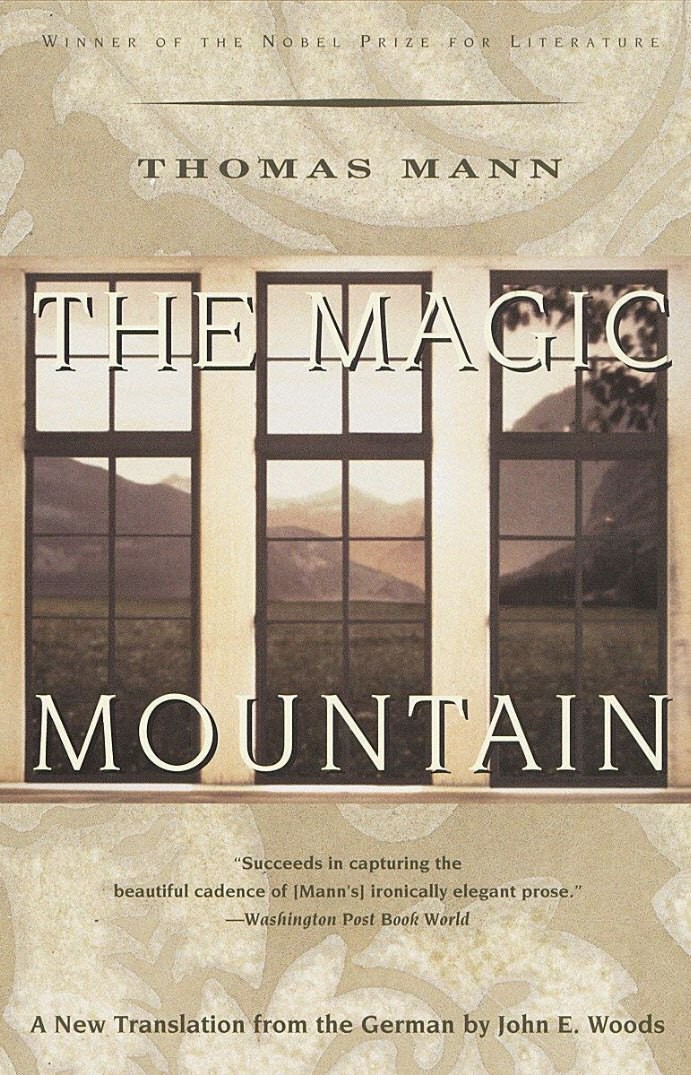
I’m excited to be co-leading a reading group on Thomas Mann’s wonderful novel The Magic Mountain this summer. The novel is truly delightful: long, funny, and strange; a novel that explores pre-WWI Europe. If you’re looking for a big book to read this summer, take a look! 📚
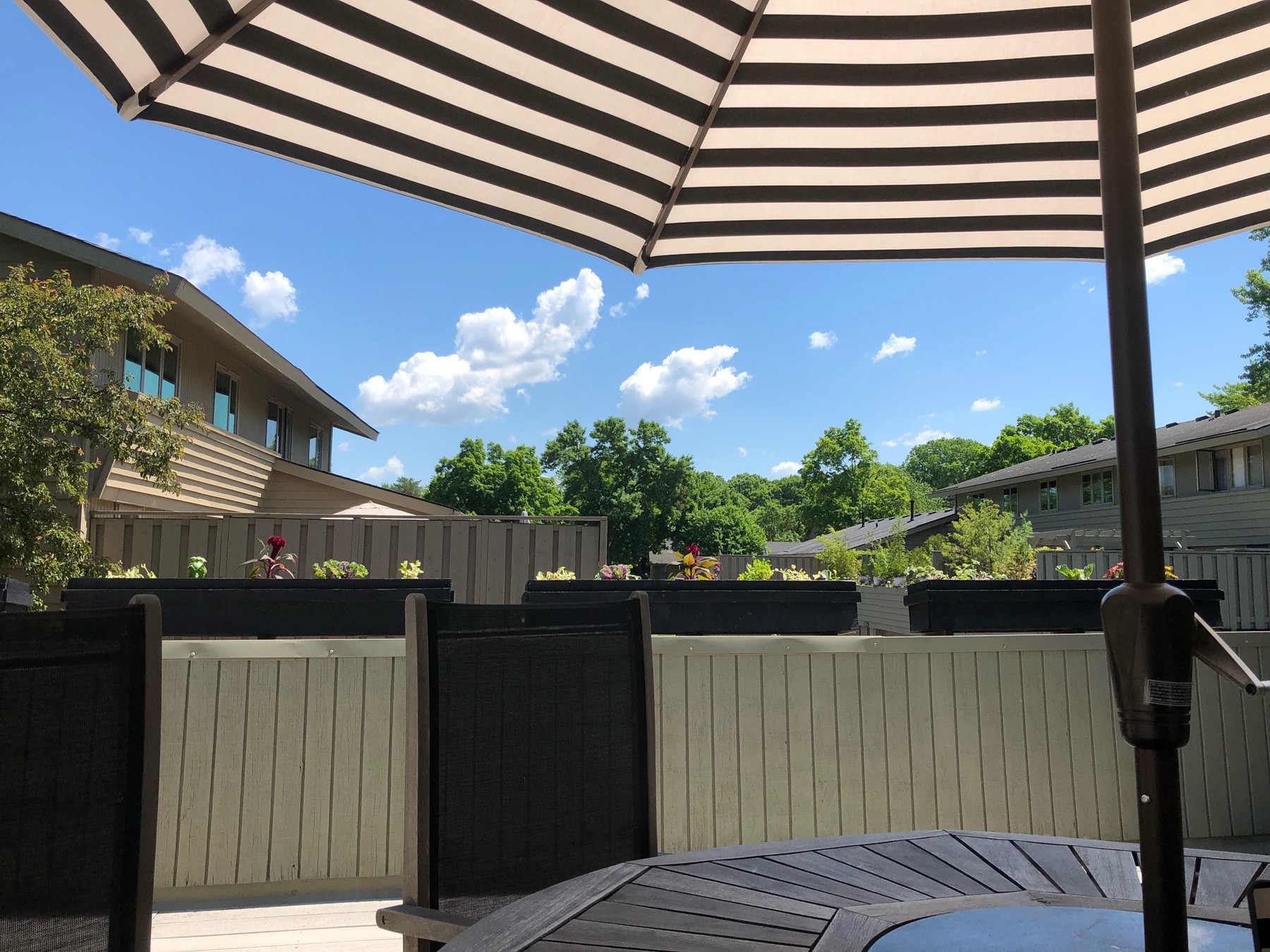
A beautiful day at the office.
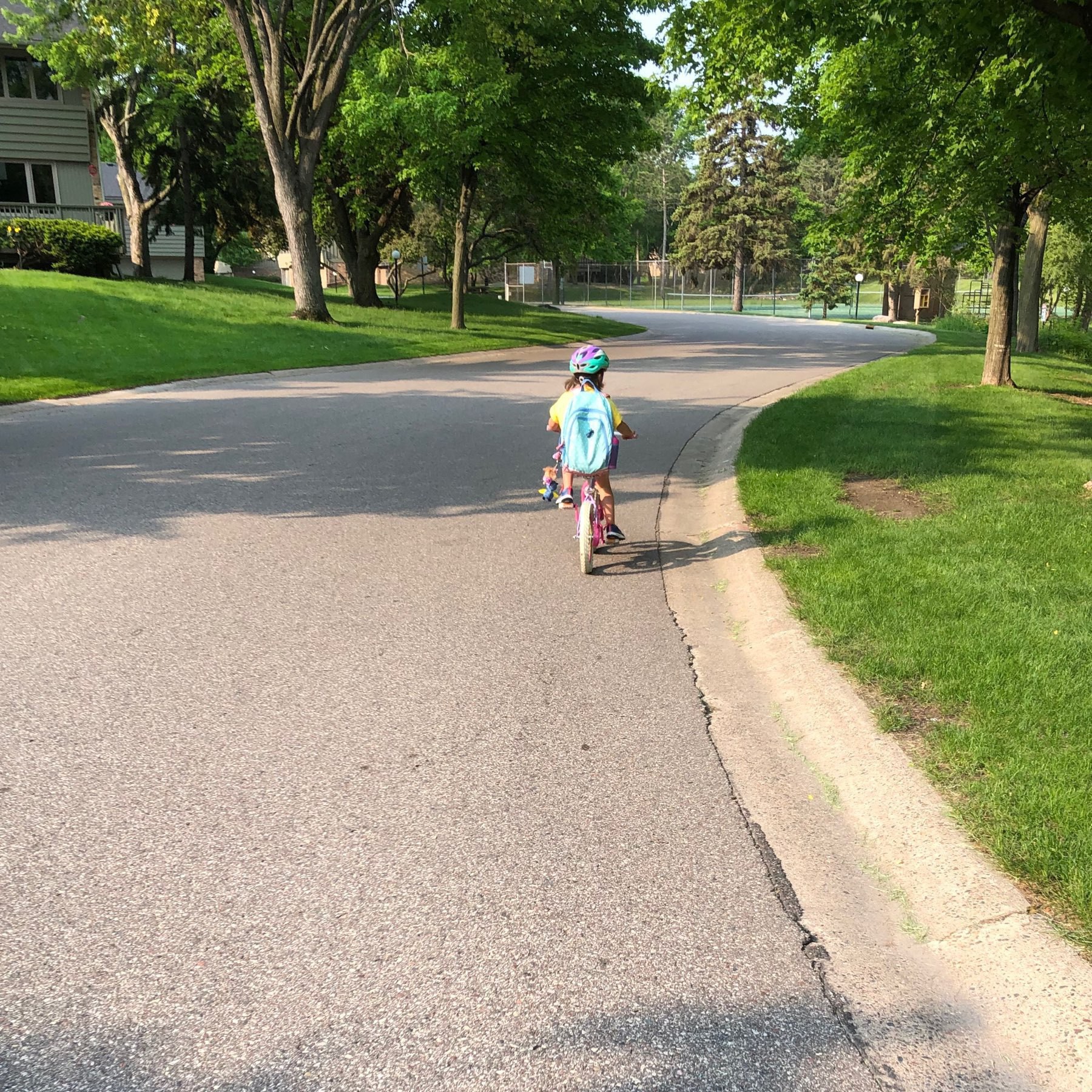
It was a beautiful morning for a bike ride to school—perfect, in fact.
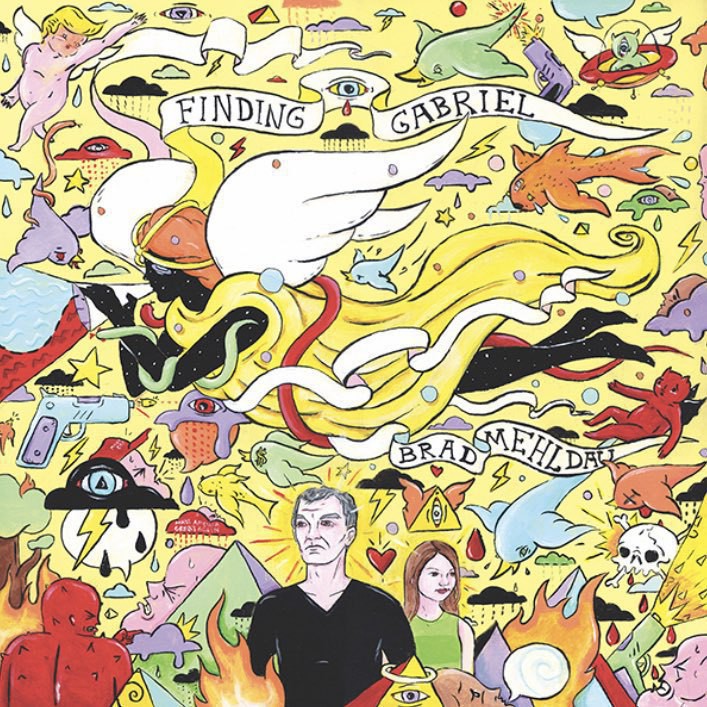
Brad Mehldau’s new album, Finding Gabriel, is apparently the fruit of an intense reading of the Bible. Its compositions are inspired by passages from the wisdom literature and the minor prophets. Unsurprisingly, then, it’s wild, wide-ranging, and beautiful. 🎹 🎶
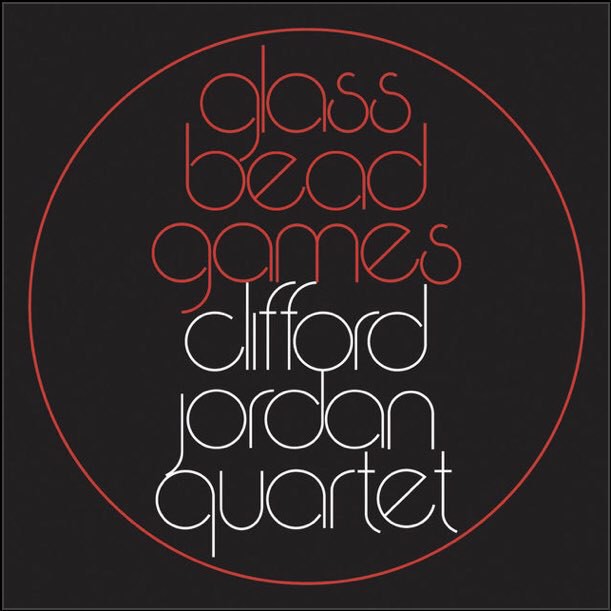
I’d listen to Clifford Jordan’s Glass Bead Games just to have a chance to look at the gorgeous cover art again. But the music is even more exceptional than the typography! 🎶 🎷
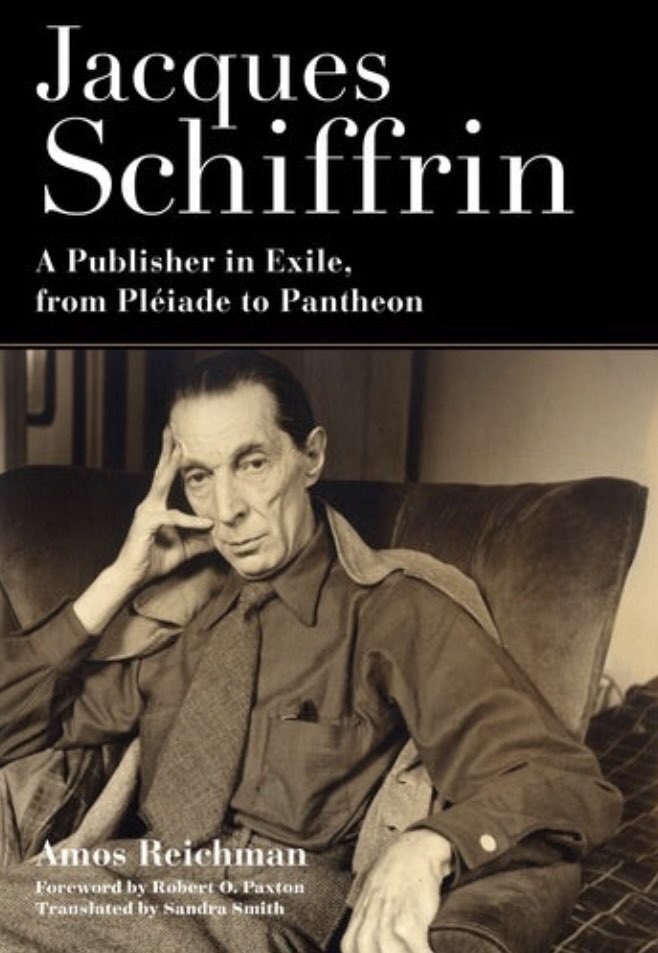
I wanted to create something useful and practical, you see… And since I also loved books, I was determined that they be as beautiful as possible. That’s all there is to it.
~ Jacques Schiffrin, qtd. in “On Founding One of Literature’s Most Beautiful Collections” 🔗 📚
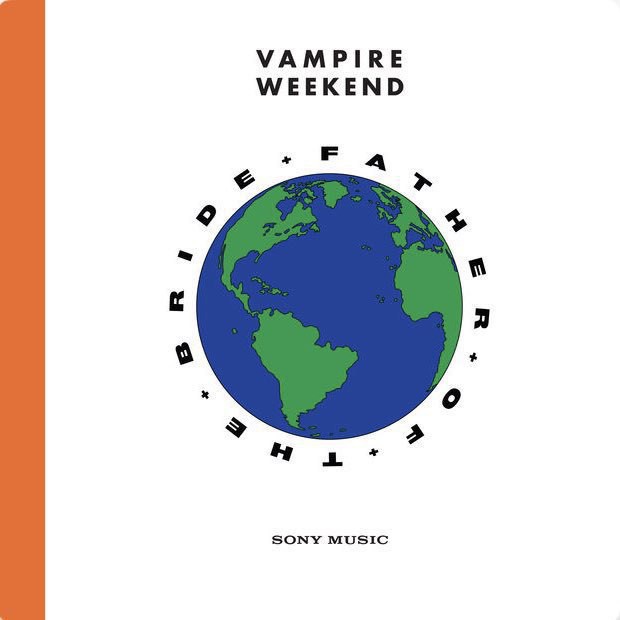
Today’s listening: gotta be the new Vampire Weekend album, Father of the Bride. 🎶
#MNUFC
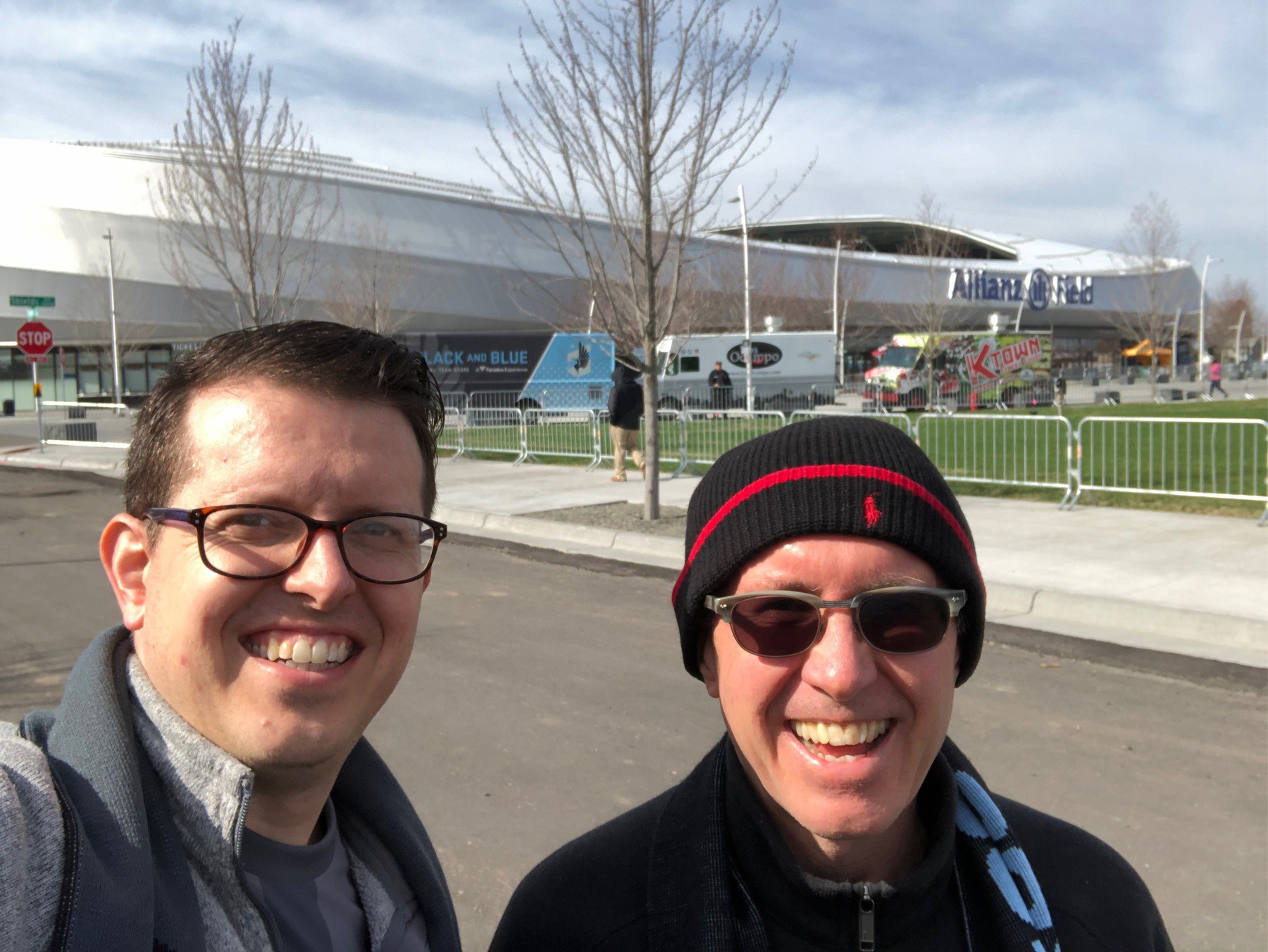
It was a beautiful first match for me at Allianz Field, celebrating my birthday with my father, brother, and a couple old, old friends.
I was also thrilled to be there for our first home win in the new stadium, participating in the first Wonderwall singalong at Allianz. It wasn’t a pretty win, but it was a win! #COYL





Publicly manifested prosperity might well hide a deeper sorrow than we at first could imagine.
~ Fr. James V. Schall, on the moral vision of Samuel Johnson’s essays 🔗 📚
Agnes Callard on losing philosophical fights
When you lose, you experience just how far your capacity to think takes you, which is to say, you experience it giving out. That’s when it washes over you: the feeling of not knowing what you are talking about, the empty nothingness of your own mind.
~ Agnes Callard, in her latest public philosophy column for The Point
Riding with the gauchos of Argentina
Riding with the gauchos of Argentina: A photo-essay (h/t Gray Areas
I studied in Buenos Aires in the spring semester of 2005, and my brother & I had the good fortune to travel through Argentina’s northeastern provinces for a couple of weeks after the term ended.
My kids are currently obsessed with a coffee-table book in my library, Estancias: The Great Houses and Ranches of Argentina. This photo-essay linked above is a remarkable complement, a testament to the dying gaucho way of life. 🇦🇷
I’m re-reading a favorite novel, Thomas Mann’s The Magic Mountain, preparing for a reading group this summer.
Looking for a good summer read? I’d highly recommend MM—you can’t go wrong with a long, philosophical novel about time, sickness, & death. (It’s funny, too!) 📚