
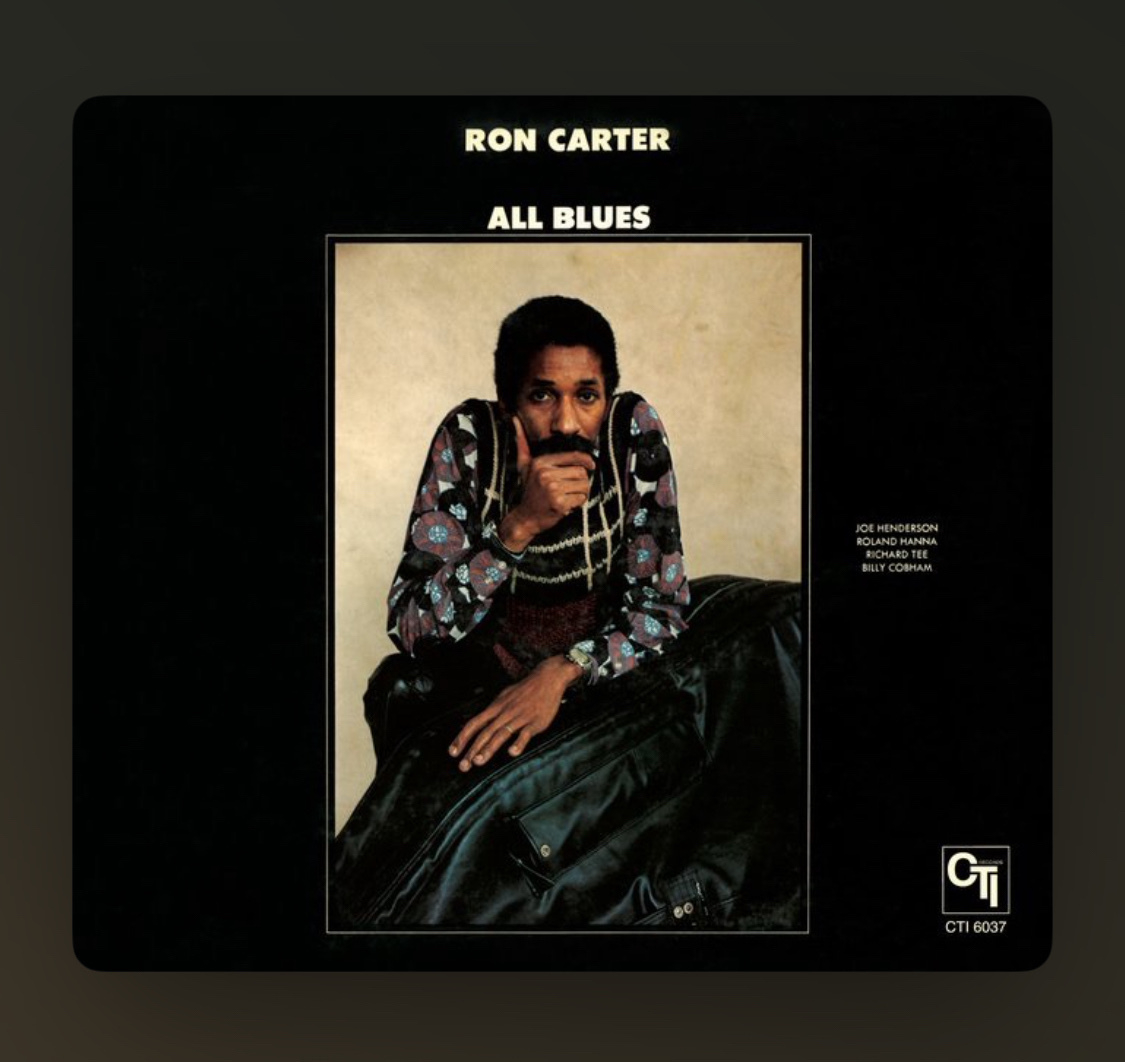
Current listening: Ron Carter, All Blues.
Roland Hanna’s solo on “Light Blue” is a beautiful little miracle. 🎵

Finished reading: When Breath Becomes Air by Paul Kalanithi.
What a remarkable book. I love academic memoirs, & this fits within that genre—but pushes well beyond it as well. It’s also a profound meditation on cancer, mortality, healthcare, poetry, faith, love, & family. Highly recommended. 📚
We’ve got a trip to Yellowstone & Grand Tetons coming up next month. Any recommendations for must-do hikes, must-see sights, etc? 🥾 🏕️

Currently reading: Middlemarch by George Eliot.
An old favorite. Profound from the first paragraph. 📚

Finished reading: Moonbound by Robin Sloan.
So great! Handed it off to my daughter—she’s 11; I’m sure she’ll enjoy it just as much. 📚

Finished reading: Night Train by A. L. Snijders.
Wonderful microstories, translated by Lydia Davis. Highly recommended. 📚
Currently reading: When Breath Becomes Air by Paul Kalanithi 📚
Cleaned like a zillion ants out of our mailbox today. (!?!)
Now spending the afternoon creeped out by feeling like I’ve got tiny ants crawling all over me. 🐜🏡
Matt Levine is hilarious & spot-on, exhibit 389247 🔗
Matt Levine is hilarious & spot-on, exhibit 389247 (likely paywalled unless you subscribe to his newsletter, which you should):
AI sorting
A dumb simple model of artificial intelligence companies is:
- It would be good to develop good AI (AI that helps humans), but bad to develop bad AI (AI that kills or enslaves humans).
- If you try to build good AI, there is some risk of building bad AI instead (your robot tricks you into thinking that it’s nice, then enslaves you), so you have to be very very careful. You can’t move too fast; you have to check carefully, at each step, to make sure that your robot is not secretly evil.
- Company A is formed by idealistic AI researchers who want to create good AI. They work together well for a while.
- Disagreements develop. Some researchers at Company A say “we need to work faster to build good AI, because if we don’t, someone else will come along and build bad AI first instead.” Others say “no, we can’t work faster, that would compromise our ability to check that the robot is not evil.”
- The first group wins the argument, for reasons.
- The people who lose the argument, who are genuinely worried about bad AI, quit Company A in outrage and go start Company B, with the goal of carefully and safely creating good AI.
- They work together well for a few months.
- Disagreements develop at Company B. Some researchers say “we need to work faster to build good AI, because otherwise Company A will build bad AI first. That’s why we quit, after all.” Others say “no, we can’t work faster, that would compromise our bad robot checks. That’s why we quit, after all.”
- The first group wins the argument, for the same reasons as in Step 5.
- The people who lose the argument quit and start Company C.
- This keeps repeating: Company C eventually splits over similar tensions, but also Company A and Company B can themselves keep dividing as some people want to move faster than others.
- Eventually all the AI researchers are very finely sorted by aggressiveness, so that Company Z is full of purists who are too cautious ever to build anything at all, while Company A is full of people who are like “actually being enslaved by robots would be pretty cool.”
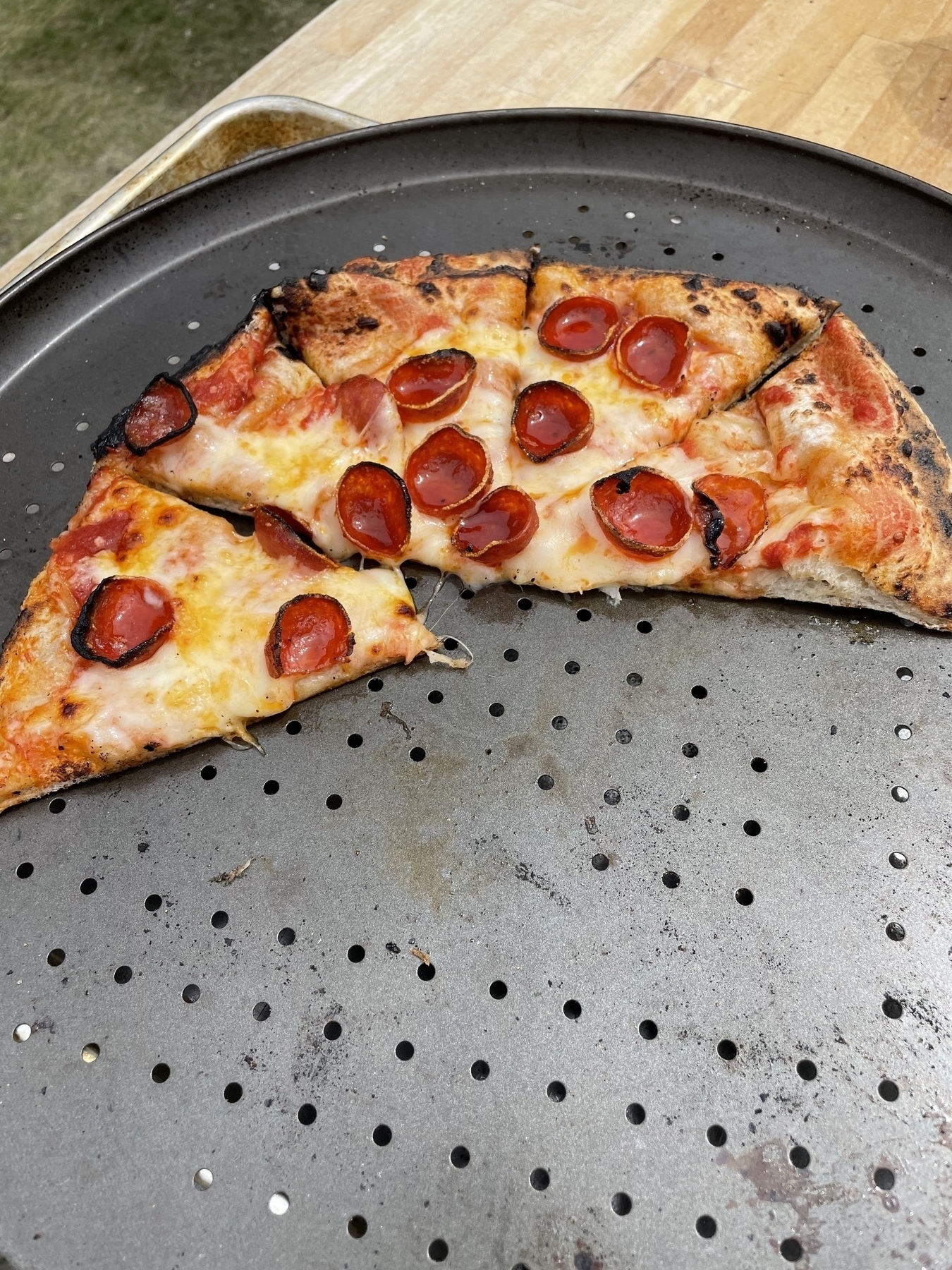
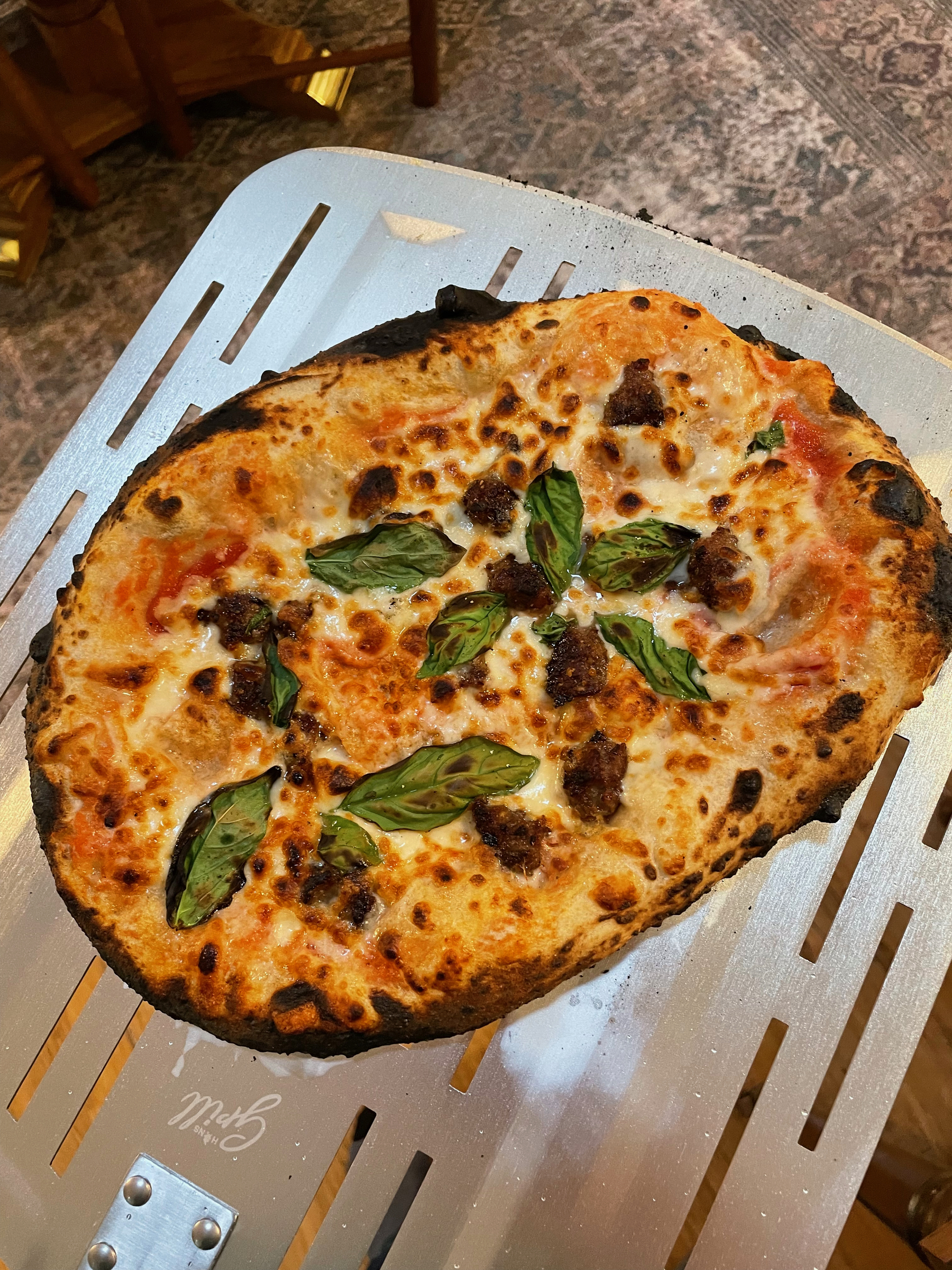
The pizzas turned out very well. I made four different pizzas, 5 pizzas of each style—turned out to be plenty to feed 40 people over a couple hours:
- Marinara
- Margherita
- Pepperoni + hot honey (pictured; the fan favorite)
- Prosciutto + arugula
🍕
Father’s Day Special:
Wordle 1,093 2/6
⬛⬛🟩🟨🟩 🟩🟩🟩🟩🟩
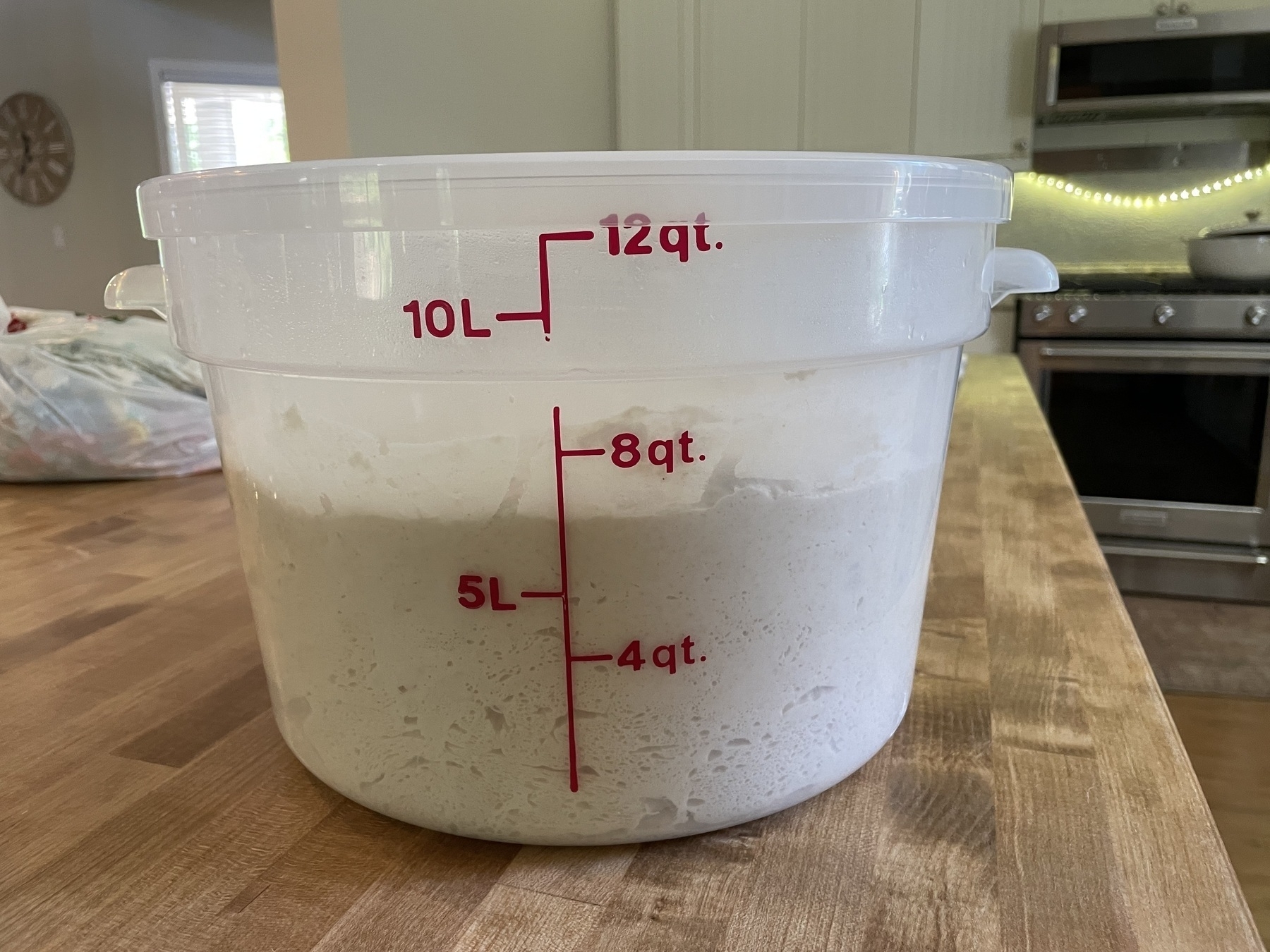
Prepping a whole lotta pizza for tomorrow… #pizzaparty 🍕
Jeff Koons and T.J. Maxx: a match made in heaven.

Want to read: Entangled Life by Merlin Sheldrake 📚
Thomas Chatterton Williams pens another chapter in the story of how every sport is breaking under the twin strains of global spectacle & algorithmic efficiency.
Two options: embrace it (sports betting, fantasy everything) or go hyper local (high school sports, minor leagues, pick-up games). 🔗🎾
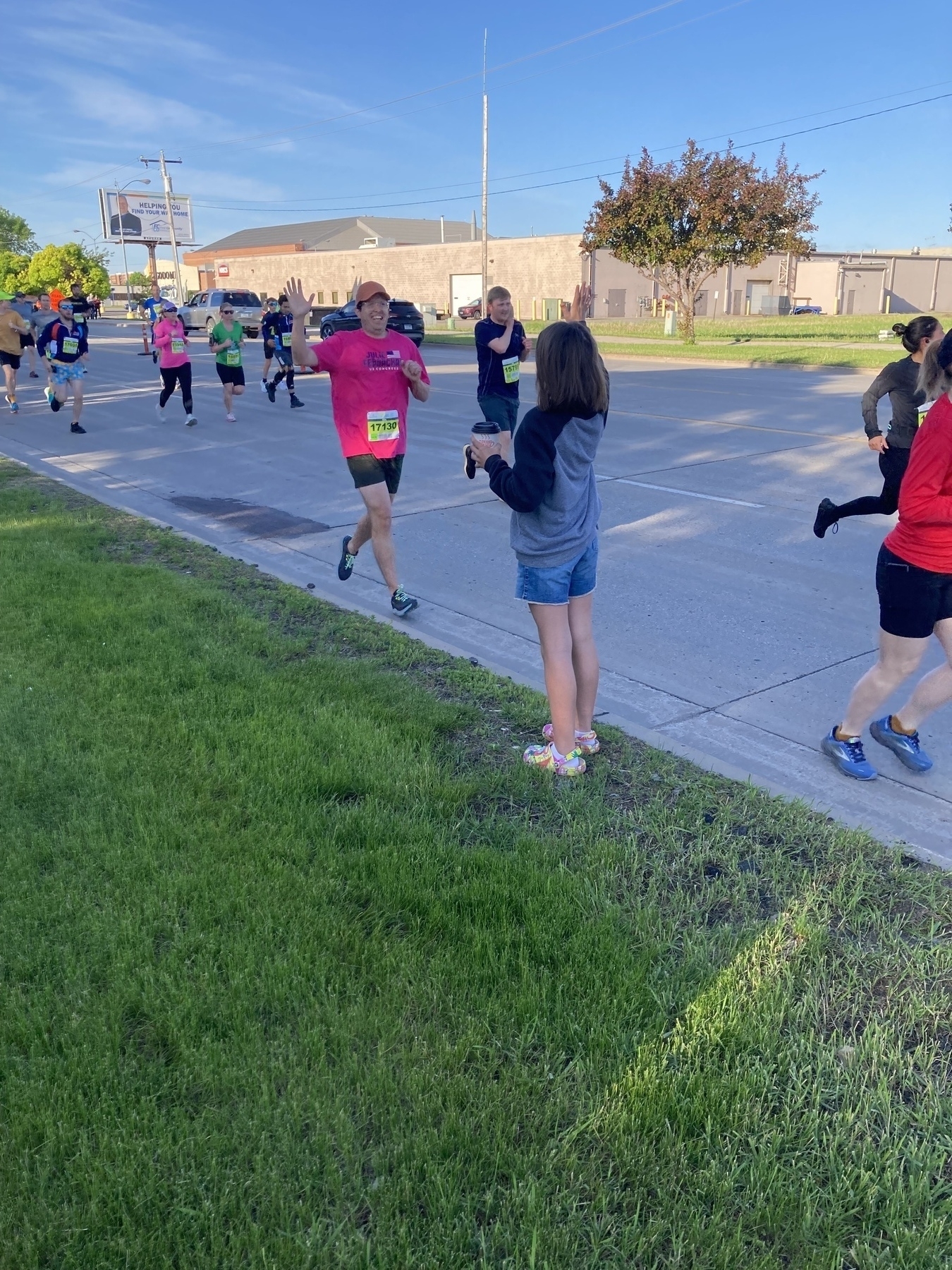
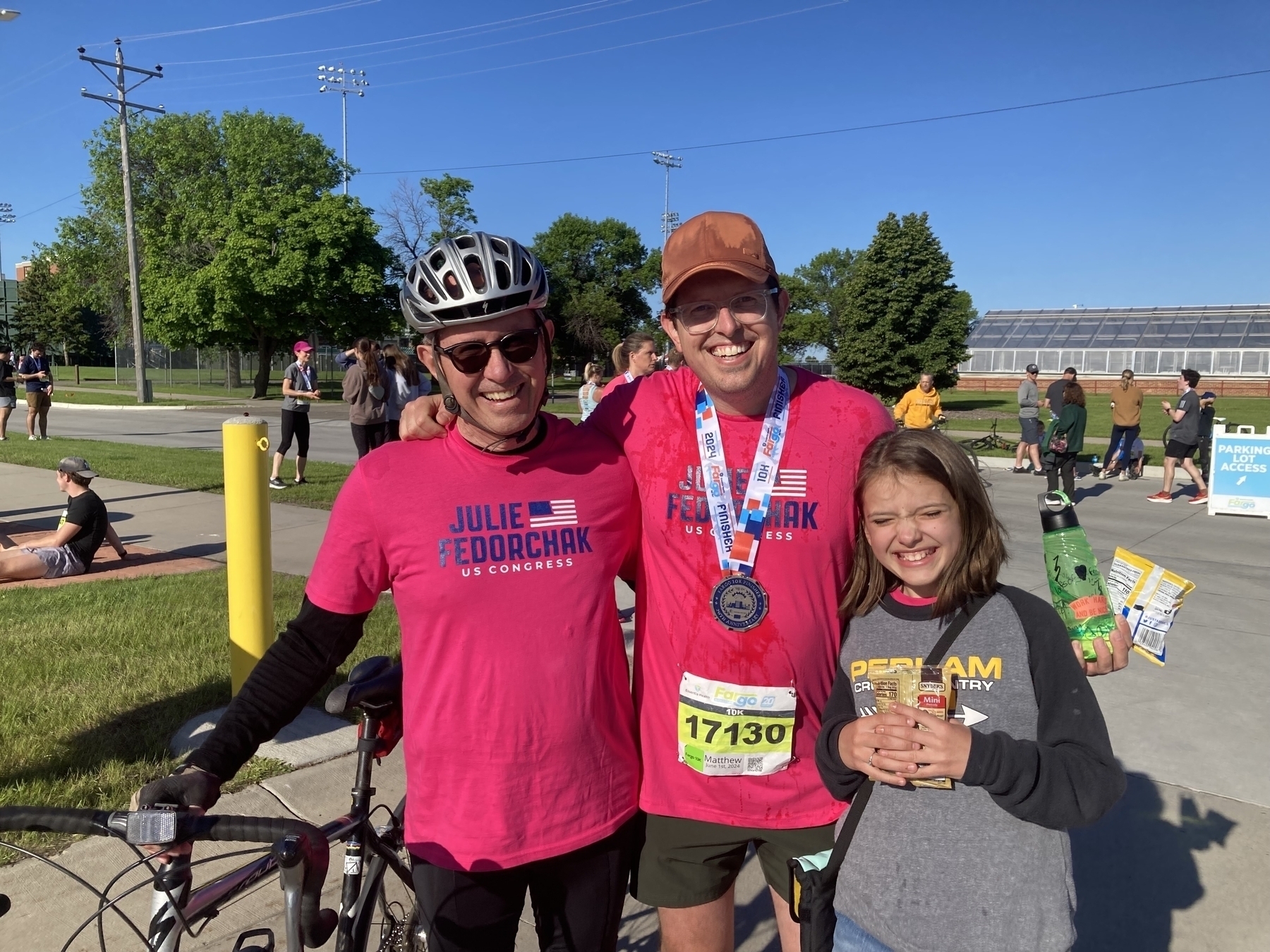
Ran my first 10k this morning at the Fargo Marathon. I beat my goal, finishing in 54:25. More importantly, I discovered that these races are a blast and a great way to to structure my training toward a concrete goal. I’ll be back. 🏃💪
Our first pizza night with the wood-fired Ooni was a great success! Can’t wait to start using this amazing tool weekly. 🍕

Finished reading: Cahokia Jazz by Francis Spufford.
This book is incredible—it connects many of my interests: jazz, counterfactual American history, religion, noir; the characters are wonderfully unique; the plot is gripping. Highly recommended! 📚
Currently reading: Night Train by A. L. Snijders.
Very short stories translated from Dutch by Lydia Davis (who herself writes brilliant microfiction). 📚