
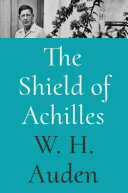
Currently reading: The Shield of Achilles by W. H. Auden 📚
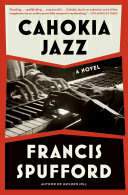
Currently reading: Cahokia Jazz by Francis Spufford 📚
I love the impulse toward community in the work of the great Japanese architect Riken Yamamoto, winner of this year’s Pritzker Prize.
But I find the reliance on concrete, glass, & stark metals off-putting—working against the goals of his projects. A lingering, cold modernism, despite the beauty.

Finished reading: The Dark Forest by Cixin Liu 📚

Currently reading: A Time to Keep Silence by Patrick Leigh Fermor 📚

Currently reading: Aspects of Truth by Catherine Pickstock 📚
Happy Feast of the Epiphany!
Our Rosca de Reyes turned out exceptionally well 😋🏡

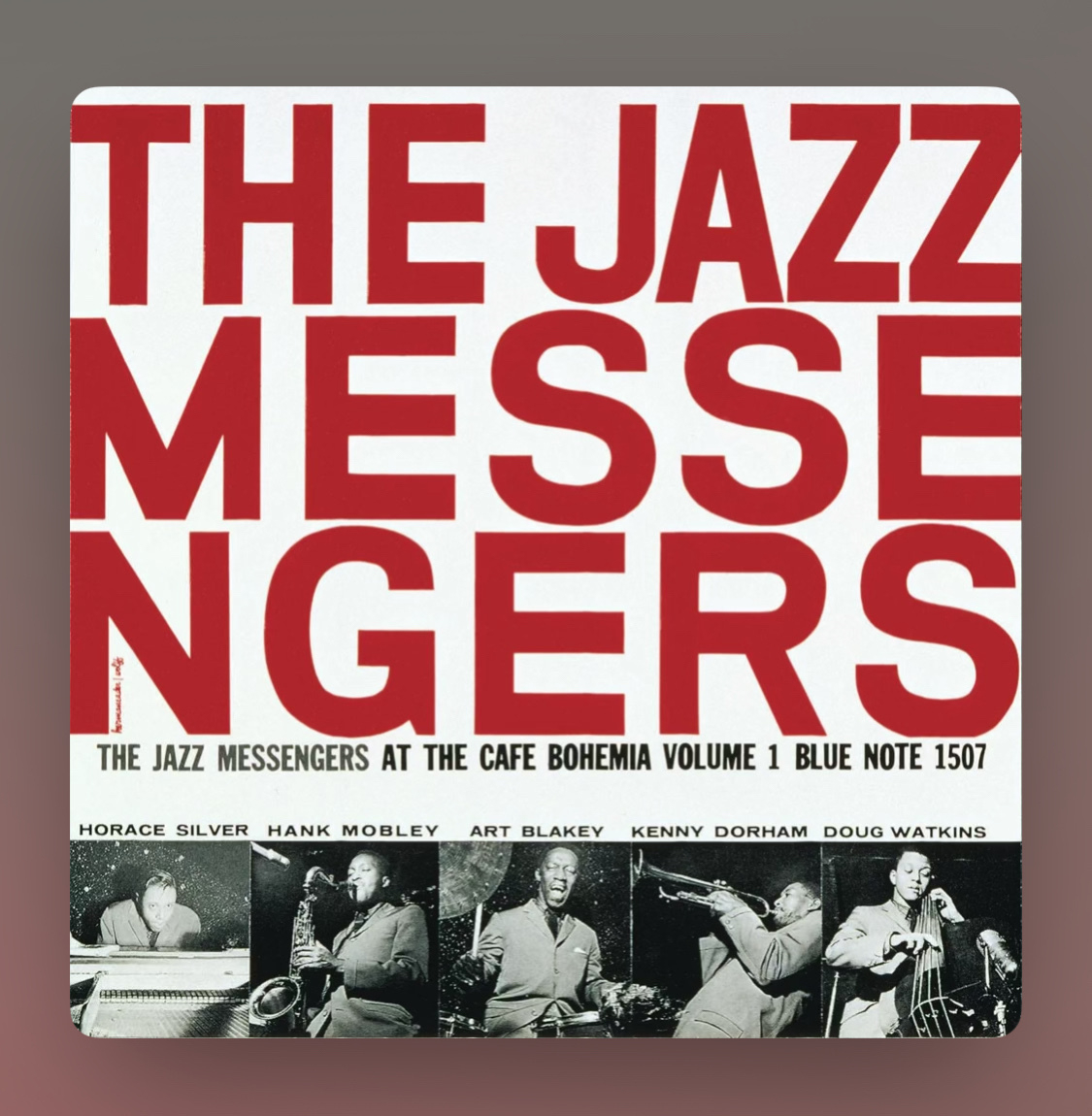
I think this year would be a good year to listen to Art Blakey & the Jazz Messengers straight through chronologically.
There’s a zillion albums, so I might not make it. But I can start. Tonight: Live at the Cafe Bohemia, volume 1. 🎶
Exodus 90: readings ✝️
Try to read each week’s Scripture once each day.
Week 1: 8-14 Jan
- Reading: Exodus 1-4
Week 2: 15-21 Jan
- Reading: Exodus 5-8
Week 3: 22-28 Jan
- Reading: Exodus 9-12
Week 4: 29 Jan – 4 Feb
- Reading: Exodus 13-16
Week 5: 5-11 Feb
- Reading: Galatians
Week 6: 12-18 Feb
- Reading: Ephesians
Week 7: 19-25 Feb
- Reading: Philippians
Week 8: 26 Feb – 3 Mar
- Reading: Colossians
Week 9: 4-10 Mar
- Reading: Mark 1-4
Week 10: 11-17 Mar
- Reading: Mark 5-8
Week 11: 18-24 Mar
- Reading: Mark 9-12
Week 12: 25-30 Mar
- Reading: Mark 13-15
Week Easter Sunday
- Reading: Mark 16
Exodus 90: Mental prep ✝️
I have a very general, easy schedule of readings for the next 12 weeks. A few chapters each week—it won’t be a problem with all the new non-phone time you’ll have each day 🫠
Having done this twice before, I think the most helpful thing for you to prepare is to get a plan for areas where you expect to struggle:
- If it’s your phone/screen time: where can you put your phone at home & work so it’s out of sight, out of mind?
- If it’s regular exercise: where and when will you work out? What will you do for workouts?
- If it’s prayer: when can you consistently set aside half an hour of quiet in your day?
- If it’s eating healthy & not snacking: what can you do when you feel the urge to snack or drink? I try to replace it with getting up for lemon water. Reminding myself that this only lasts 3 months, not forever, also helps.
- If it’s the cold showers, just toughen up. Kidding! Do this by ending your showers with cold for gradually longer times: 10s, 30s, 1min, etc. This might sound like the worst part of the experience, but the guys I’ve done it with have stuck with this longer and more consistently after Ex90 than any of the other disciplines. It makes a huge difference in your mood & energy level.

Currently reading: If On A Winter’s Night A Traveler by Italo Calvino.
Christmas: the perfect time to reread old favorites. 📚

Currently reading: The Blue Flower by Penelope Fitzgerald 📚
Highland Advent vibes this morning. 🏡
Exodus 90: spiritual discipline between New Year's & Easter ✝️
Several times in the last five years, I’ve participated in Exodus 90, a 90-day program of spiritual disciplines and practices.
This year, Exodus 90 starts right on January 1, and goes through Holy Saturday (March 30). I’m especially excited to participate this year.
Although the Exodus 90 organization offers an app and a subscription service (who doesn’t, these days?), I’ve never paid for the service.
You can get the full benefit of the program by simply recruiting a group of friends and following these practices together, checking in regularly (at least weekly) to discussion how it’s going. I’ve grouped the disciplines into general categories, though of course there aren’t neat divisions between them:
Communal disciplines
- Attend the weekly group meeting
- Check in briefly but regularly with your group
Spiritual disciplines
- Read Scripture & offer up a holy hour of prayer daily (not necessarily a full hour—just a regular time of focused prayer)
- Make a nightly Examen (a prayerful review of the day)
Attentional disciplines
- Abstain from unnecessary mobile device use
- Abstain from unnecessary computer use
- Abstain from video games
- Abstain from TV and televised sports
- Listen only to music that lifts the soul to God
Physical disciplines
- Get a full night’s sleep (at least seven hours is recommended)
- Take short, cold showers
- Practice regular, intense exercise
- Fast on Wednesday and Friday (only eat one full meal, as well as two smaller meals that together are not equal to a full meal)
- Abstain from meat on Wednesday and Friday
Consumption disciplines
- Abstain from non-essential purchases
- Abstain from eating between meals
- Abstain from soda and sweet drinks
- Abstain from desserts and sweets
- Abstain from alcohol
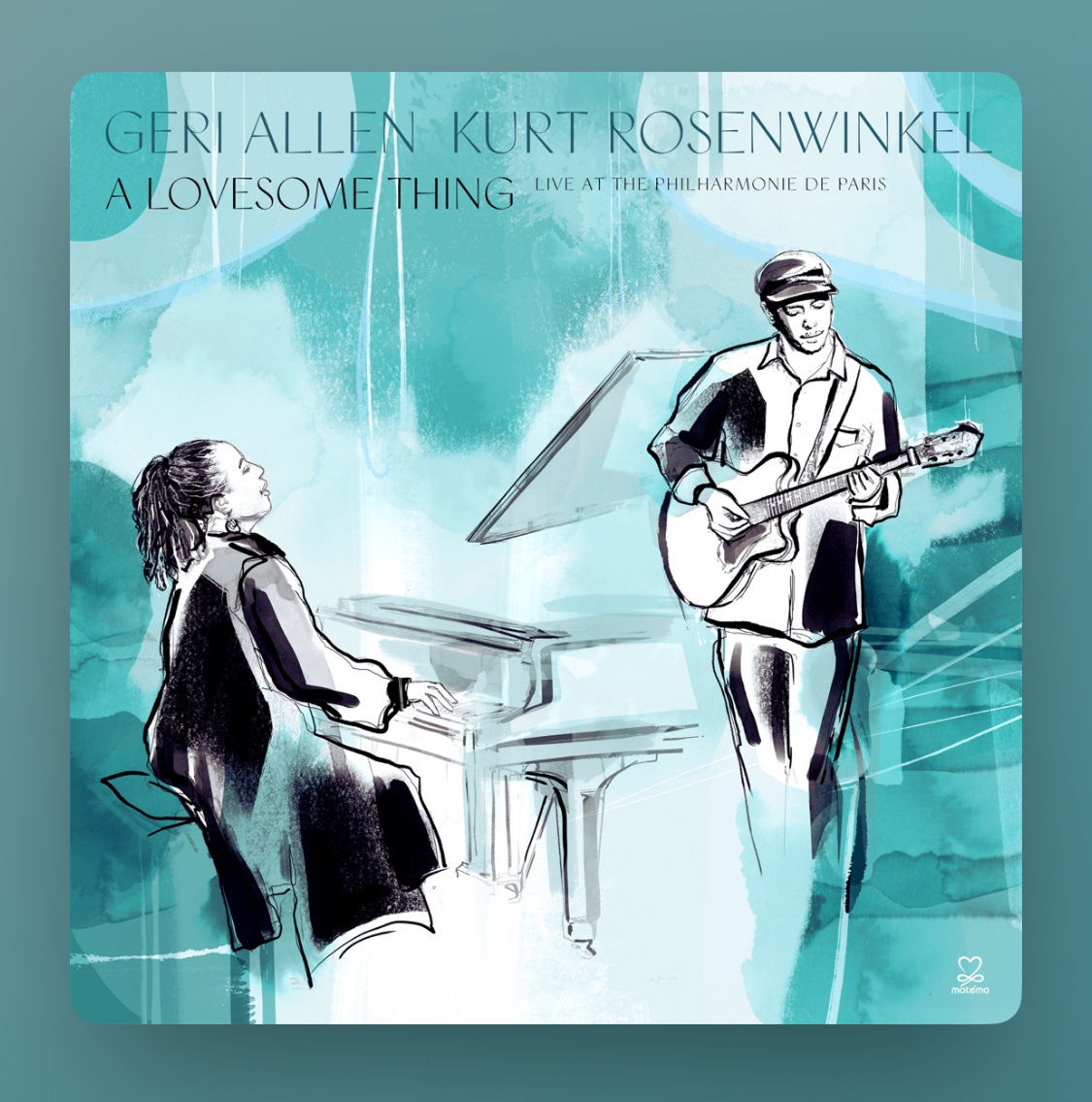
Current listening: *The Incomparable Bola Sete 🎶
Sure, it’s just a live recording, but I’m here all day for this one. Heck, here all year. 🎶

Finished reading: Station Eleven by Emily St. John Mandel 📚
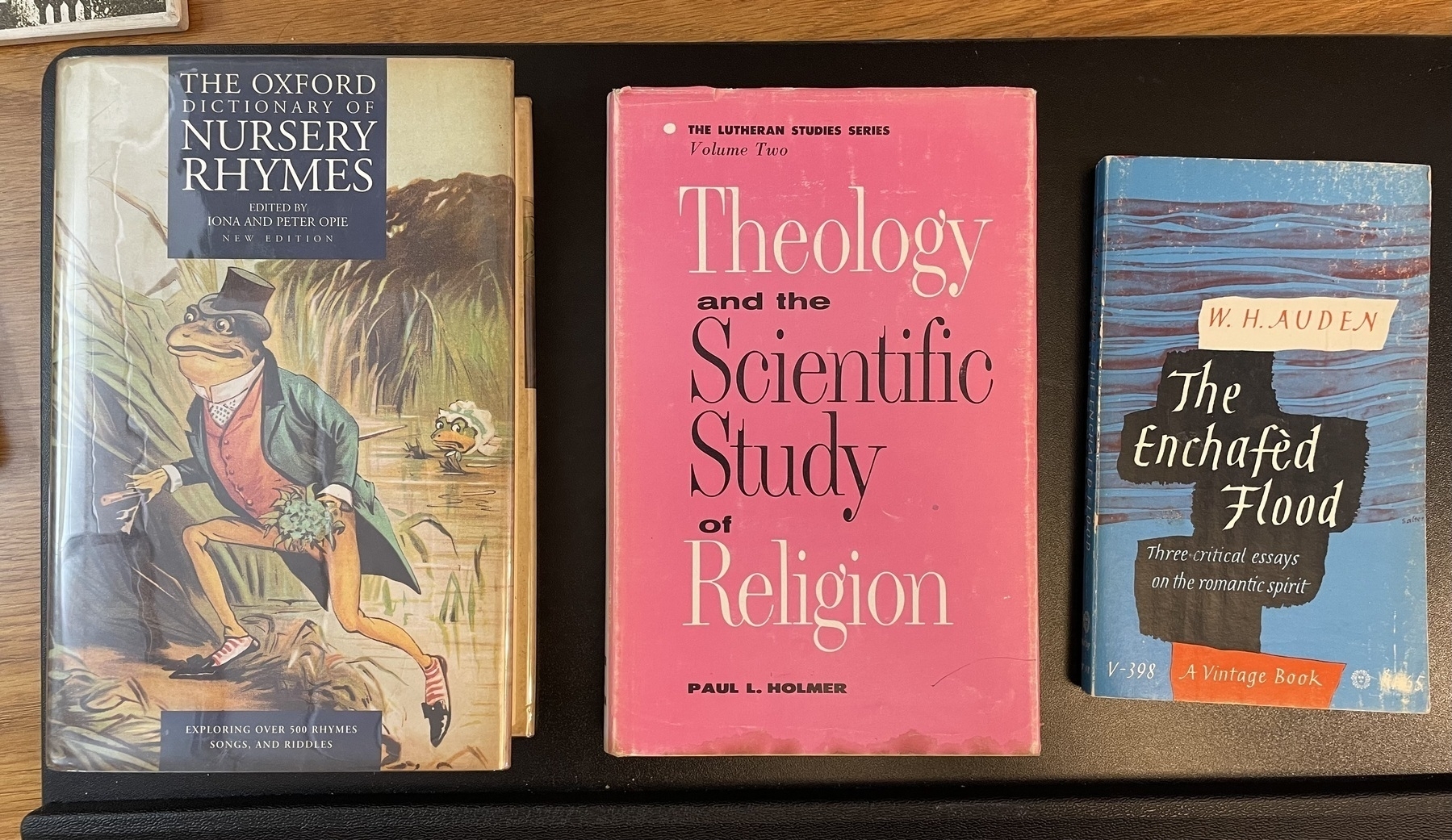
Great day at the used book store 📚
I’ve been working on an essay on Sam Bankman-Fried and Sam Altman for a couple weeks now. Today seemed like a good day to finish it.
Why are the traits they share—among others, naiveté, narcissism, love for humanity but only in the abstract, reducing complex realities to simple equations—so common?